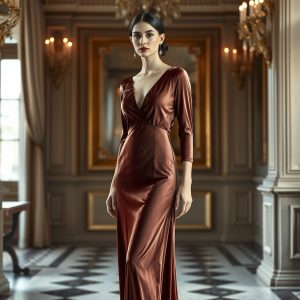
The Runway’s Duality: How Fashion Weeks Are Balancing Opulence and Innovation in a Changing World
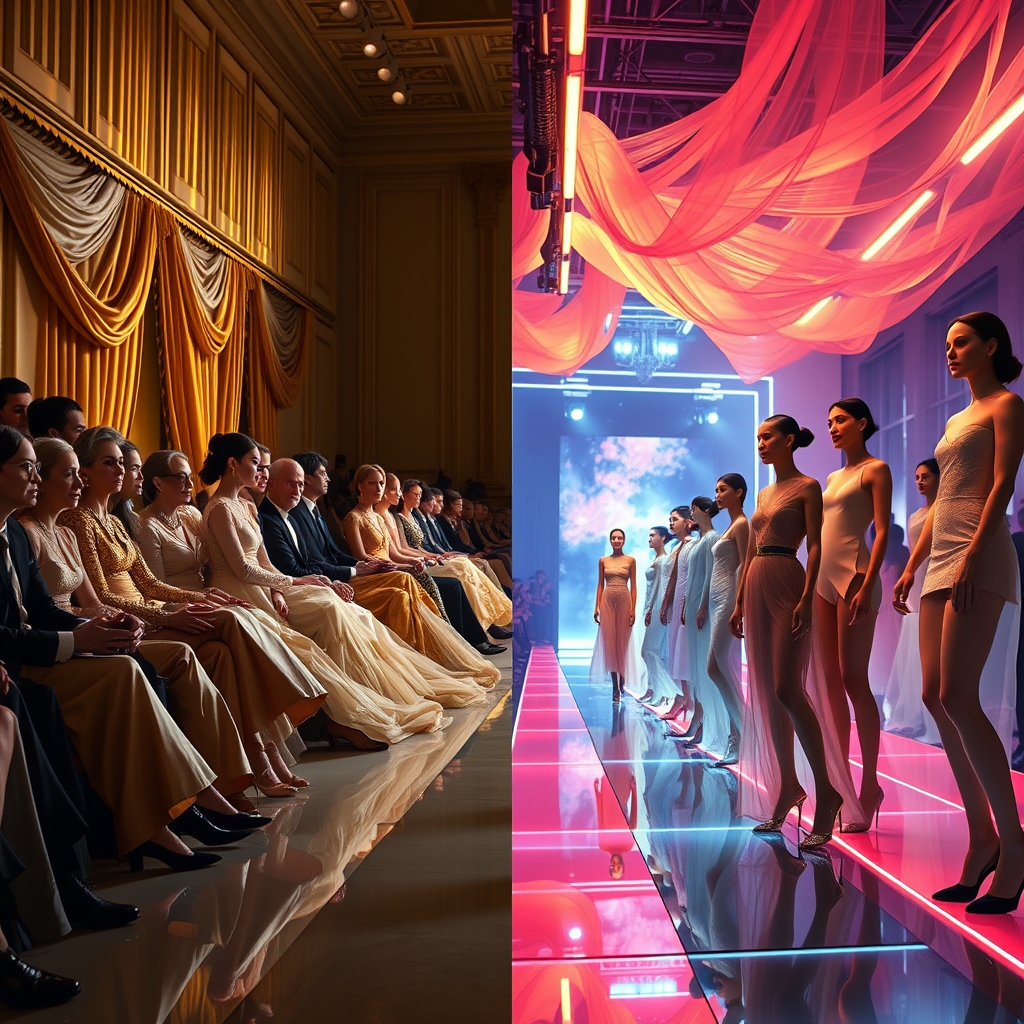
The world’s most prestigious fashion weeks—Paris, Milan, New York, and London—have long been the epicenters of sartorial innovation, where designers unveil their visions for the seasons ahead. Yet, as the fashion industry grapples with rapid technological advancements and shifting cultural values, these events are no longer just about showcasing the latest trends. They have become a battleground for creativity and conscience, where opulence meets innovation, and tradition dances with disruption. The runway, once a linear path for models to strut their stuff, has transformed into a multidimensional stage where artistry, technology, and ethics collide.
The Evolution of the Runway: From Exclusivity to Inclusivity
For decades, fashion weeks were synonymous with exclusivity—invite-only affairs where the elite gathered to witness the birth of trends that would trickle down to the masses. The front row was a coveted space, reserved for editors, celebrities, and industry insiders who held the power to shape public perception. But as the digital age democratized fashion, the runway’s walls began to crumble. Social media turned every attendee into a critic, every model into an influencer, and every show into a global spectacle. The once-exclusive nature of fashion weeks has given way to a more inclusive era, where diversity in casting, body types, and cultural representation is no longer a novelty but an expectation.
Designers like Balmain’s Olivier Rousteing and Chromat’s Becca McCharen-Tran have been at the forefront of this shift, using their platforms to challenge industry norms. Their runways are a celebration of individuality, where models of all ages, sizes, and backgrounds take center stage. This evolution reflects a broader cultural movement—one that demands fashion not only be beautiful but also reflective of the world it inhabits. The runway is no longer just a stage for clothing; it’s a stage for change.
The Rise of the Virtual Runway: Fashion in the Digital Age
The COVID-19 pandemic accelerated a transformation that was already underway: the rise of the virtual fashion show. With physical gatherings impossible, designers turned to digital platforms to showcase their collections, giving birth to a new era of runway experiences. Brands like Balenciaga and Gucci embraced video game aesthetics, creating immersive digital worlds where viewers could explore collections in 3D. These virtual shows weren’t just a stopgap measure; they were a glimpse into the future of fashion.
The advantages of digital runways are undeniable. They eliminate geographical barriers, allowing anyone with an internet connection to experience the magic of fashion week. They also reduce the industry’s carbon footprint, addressing the growing demand for sustainability. Yet, the virtual runway is not without its challenges. The tactile experience of fabric, the energy of a live audience, and the spontaneity of a physical show are difficult to replicate in a digital space. As the world reopens, the question remains: will virtual fashion shows become a permanent fixture, or will they fade into the background as a pandemic-era experiment?
The Blurring Lines Between Ready-to-Wear and Haute Couture
Traditionally, fashion weeks were divided into two distinct categories: ready-to-wear and haute couture. Ready-to-wear collections were designed for mass production, offering wearable, accessible fashion, while haute couture was the pinnacle of craftsmanship—exclusive, handcrafted, and often unattainable. Today, however, the lines between these two worlds are blurring. Designers are increasingly infusing couture techniques into ready-to-wear collections, creating pieces that are both luxurious and commercially viable.
This shift is evident in the work of designers like Virgil Abloh, whose tenure at Louis Vuitton redefined what luxury could be. His collections often featured streetwear-inspired pieces elevated by couture-level craftsmanship, appealing to a new generation of consumers who value both exclusivity and accessibility. Similarly, brands like Prada and Miu Miu have embraced a more democratic approach to fashion, offering high-end designs that resonate with a broader audience. The result is a runway that no longer adheres to rigid categories but instead celebrates the fluidity of modern fashion.
The Sustainable Runway: Fashion’s New Frontier
Sustainability is no longer a buzzword; it’s a necessity. As climate change becomes an increasingly urgent issue, the fashion industry is under pressure to reduce its environmental impact. Fashion weeks have become a platform for designers to showcase their commitment to sustainability, with many brands incorporating eco-friendly materials, zero-waste techniques, and ethical production practices into their collections. Stella McCartney, a pioneer in sustainable fashion, has long used her runway shows to highlight the importance of ethical design. Her Spring 2023 collection, for example, featured biodegradable fabrics and upcycled materials, proving that sustainability and style are not mutually exclusive.
Other designers are following suit. Marine Serre’s signature crescent-moon prints often incorporate recycled fabrics, while Gabriela Hearst’s collections prioritize transparency and traceability. Even luxury giants like Chanel and Dior are making strides toward sustainability, with initiatives aimed at reducing waste and carbon emissions. The sustainable runway is not just a trend; it’s a movement—one that is reshaping the future of fashion.
The Avant-Garde and the Everyday: A New Runway Aesthetic
The runway has always been a space for experimentation, where designers push the boundaries of what fashion can be. In recent years, however, there has been a noticeable shift toward a more avant-garde aesthetic, where clothing transcends its functional purpose and becomes a form of art. Designers like Iris van Herpen and Rei Kawakubo of Comme des Garçons are known for their boundary-pushing designs, which often defy conventional notions of wearability. Their collections are less about clothing and more about conceptual storytelling, inviting viewers to question the role of fashion in society.
Yet, even as the avant-garde gains prominence, there is a growing appetite for fashion that is both innovative and wearable. Designers like Jonathan Anderson of JW Anderson and Demna of Balenciaga have mastered the art of blending the extraordinary with the everyday. Their collections often feature surreal, exaggerated silhouettes paired with more accessible pieces, striking a balance between art and commerce. This duality reflects the current state of fashion—a world where the extraordinary and the ordinary coexist, and where the runway is as much about provocation as it is about practicality.
The runway has always been a reflection of the times, a mirror held up to society’s evolving values and aspirations. Today, it is a space where tradition and innovation coexist, where opulence meets sustainability, and where the avant-garde rubs shoulders with the everyday. As fashion weeks continue to evolve, one thing is clear: the runway is no longer just a path for models to walk. It is a stage for ideas, a canvas for change, and a testament to the enduring power of fashion to shape the world around us. The future of the runway is not just about what we wear, but how we choose to wear it—and what that says about who we are.