Beyond the Glitter: How Fashion Week Runways Are Shaping the Future of Style and Culture
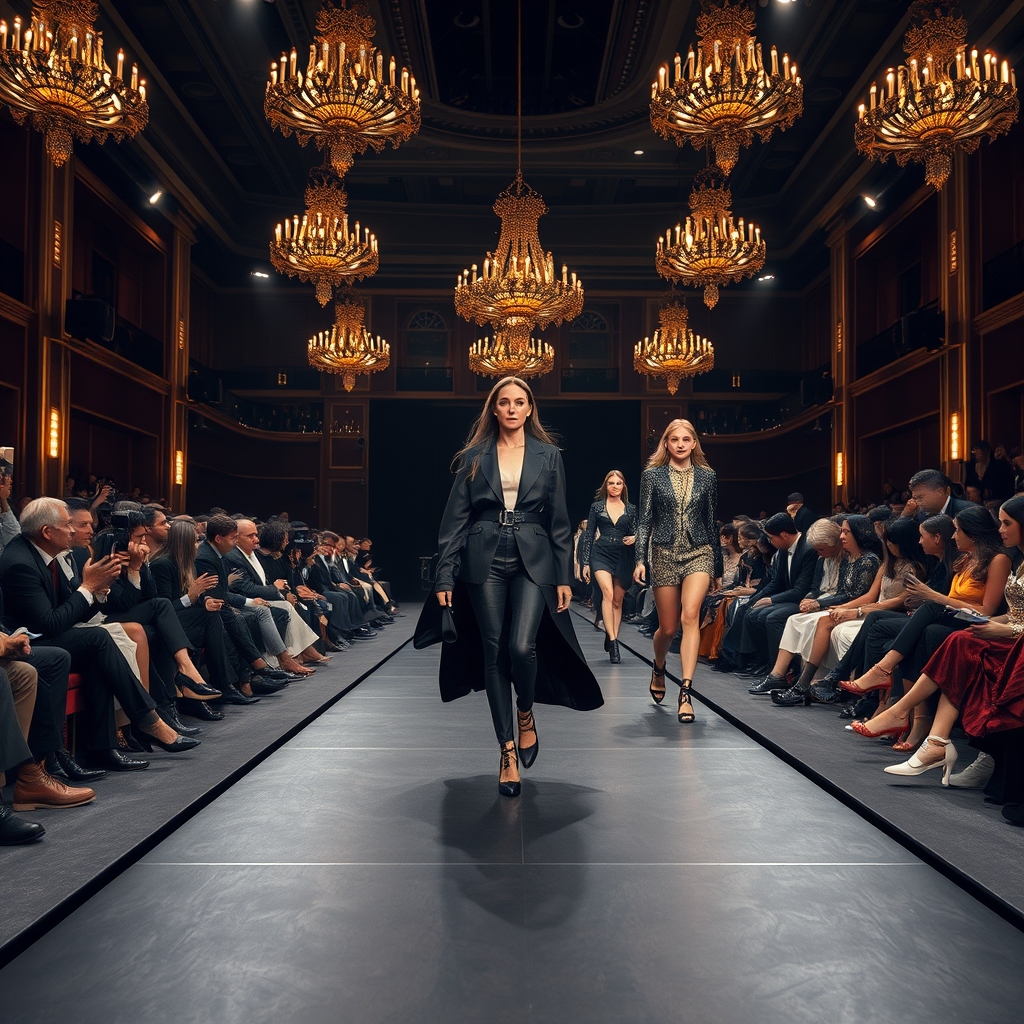
The world of high fashion is often perceived as an exclusive realm of glamour, where creativity knows no bounds and trends are born in an instant. Yet, beneath the dazzling lights and the meticulously crafted ensembles lies a deeper narrative—one that reflects the evolving values, technological advancements, and cultural shifts of our time. Fashion Weeks in Paris, Milan, New York, and London are no longer just about showcasing the next big thing in clothing; they have become platforms for storytelling, innovation, and even activism.
The Runway as a Canvas for Cultural Dialogue
Fashion has always been a mirror to society, and the runways of today are no exception. Designers are increasingly using their collections to address pressing social issues, from sustainability and inclusivity to political commentary. The Autumn Winter Collection at Milan Fashion Week this year, for instance, saw brands like Prada and Gucci weaving narratives of resilience and hope into their designs, a response to the global uncertainties of recent years. The fabrics, colors, and silhouettes were not just aesthetically pleasing but carried a message—one of unity and adaptation.
Similarly, London Fashion Week has become a hub for avant-garde expression, where designers like Vivienne Westwood and emerging talents push boundaries with their Avant Garde Runway presentations. These shows challenge conventional beauty standards and redefine what fashion can be, often blurring the lines between art and wearable design. The runway, in this context, becomes a stage for provocation and dialogue, inviting audiences to question and engage with the world around them.
The Digital Revolution: Virtual Fashion Shows and Beyond
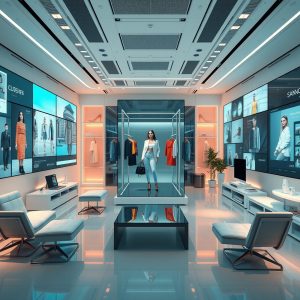
The pandemic accelerated a transformation that was already underway—the shift toward digital experiences. Virtual Fashion Shows became the norm, allowing designers to reach global audiences without the constraints of physical venues. Brands like Balenciaga and Burberry embraced this change, creating immersive digital experiences that combined fashion with technology. These virtual runways were not just a temporary solution but a glimpse into the future of fashion presentations, where augmented reality, 3D modeling, and interactive elements redefine the viewer’s experience.
Yet, the digital realm has also raised questions about the authenticity of fashion. Can a Virtual Fashion Show capture the same energy and emotion as a live runway? While some argue that the tactile experience of seeing a garment up close is irreplaceable, others believe that digital innovation opens doors to new forms of creativity. The Resort Collection Show by Chanel, for example, was streamed in a cinematic format, blending fashion with film to create a narrative that felt both intimate and grand. This fusion of mediums suggests that the future of fashion shows may lie in hybrid experiences, where the physical and digital coexist.
Sustainability: The New Luxury
One of the most significant shifts in recent years is the fashion industry’s growing commitment to sustainability. Sustainable Fashion Shows are no longer a niche trend but a necessity, as consumers and designers alike demand transparency and ethical practices. Paris Fashion Week has been at the forefront of this movement, with brands like Stella McCartney and Marine Serre leading the charge. Their collections often feature upcycled materials, zero-waste techniques, and a focus on longevity over fast fashion.
The Ready To Wear Show at New York Fashion Week also reflected this shift, with designers prioritizing eco-friendly fabrics and ethical production methods. The emphasis on sustainability is not just about reducing environmental impact but also about redefining luxury. Today, a Luxury Runway Look is as much about the story behind the garment as it is about its aesthetic appeal. Consumers are increasingly drawn to brands that align with their values, and fashion weeks are responding by showcasing collections that are both beautiful and responsible.
The Backstage Alchemy: Where Magic Meets Reality
While the runway is the star of the show, the backstage is where the real magic happens. Fashion Show Backstage is a whirlwind of creativity, collaboration, and chaos, where designers, models, stylists, and makeup artists work in harmony to bring a vision to life. The energy is electric, with last-minute adjustments, impromptu fittings, and the constant hum of chatter as everyone prepares for the big moment. It’s a space where the meticulous planning of months—or even years—culminates in a few minutes of runway glory.
For models, the backstage is both a sanctuary and a battleground. The Model Runway Walk is not just about strutting down the catwalk; it’s about embodying the designer’s vision and conveying emotion through movement. The pressure is immense, but so is the reward. The backstage is also where trends are born, as stylists experiment with hair, makeup, and accessories to create looks that will captivate audiences and inspire future collections.
The Front Row: More Than Just a Seat
The Front Row Fashion is often seen as the ultimate symbol of status in the fashion world. Celebrities, influencers, and industry insiders jostle for prime positions, their every move scrutinized by the media. But the front row is more than just a place to see and be seen; it’s a barometer of the industry’s direction. The presence of certain figures can signal the rise of new trends, the endorsement of a designer, or even the shifting dynamics of power within fashion.
In recent years, the front row has also become a platform for activism. Figures like Jane Fonda and Greta Thunberg have used their presence to draw attention to climate change, while others have highlighted issues like diversity and representation. The front row, once a passive space, is now an active participant in the conversation, reflecting the industry’s growing awareness of its role in shaping culture.
The Future of Fashion Weeks: What Lies Ahead?
As fashion weeks continue to evolve, one thing is clear: they are no longer just about the clothes. They are about the stories, the values, and the conversations that shape our world. The Spring Summer Runway and Autumn Winter Collection shows of the future will likely be even more inclusive, sustainable, and technologically advanced, reflecting the changing priorities of society. Designers will continue to push boundaries, whether through Avant Garde Runway presentations or innovative digital experiences, ensuring that fashion remains a dynamic and relevant art form.
Yet, amidst all the change, the essence of fashion week remains the same—a celebration of creativity, craftsmanship, and the human spirit. Whether it’s the grandeur of a Haute Couture Show in Paris or the raw energy of a Ready To Wear Show in New York, the runway is where dreams are brought to life. It’s a reminder that fashion is not just about what we wear but how we express ourselves, connect with others, and navigate the world. The future of fashion weeks is bright, and it’s up to us to shape it with intention, innovation, and heart.