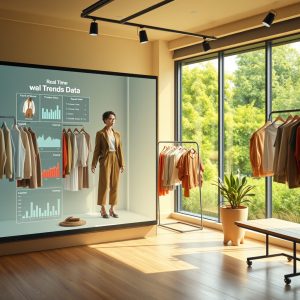
The Runway’s Digital Renaissance: How Virtual Fashion Shows Are Redefining Artistry and Accessibility
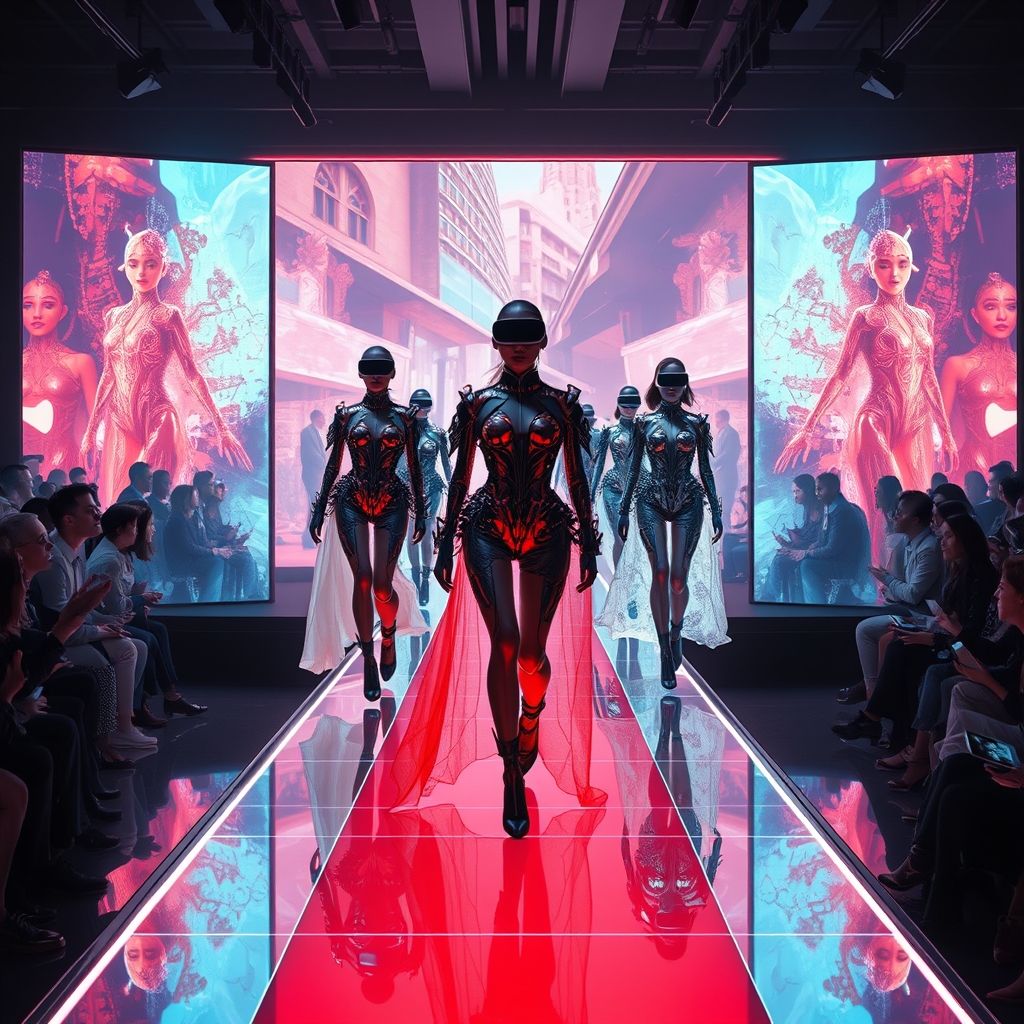
The fashion world has long been synonymous with exclusivity—velvet ropes, front-row seats reserved for the elite, and backstage passes that feel like golden tickets. Yet, in an era where technology and creativity collide, the traditional runway is undergoing a radical transformation. Virtual fashion shows, once a novelty, have now become a cornerstone of the industry, reshaping how designers present their collections and how audiences experience them. This digital renaissance is not just about accessibility; it’s about reimagining the very essence of fashion as an art form.
The Rise of the Virtual Catwalk
The shift toward virtual fashion shows accelerated during the global pandemic, but its roots run deeper. Designers and brands had already begun experimenting with digital platforms, recognizing their potential to reach global audiences without the constraints of physical space. What started as a necessity quickly evolved into an opportunity—one that allowed for unprecedented creativity. Without the limitations of a physical runway, designers could craft immersive worlds, blending fashion with animation, gaming, and virtual reality. The result? A new kind of spectacle that transcends the boundaries of traditional fashion shows.
Take, for example, Balenciaga’s Fall 2021 collection, which debuted in a video game-like environment. The show wasn’t just a presentation of clothing; it was an experience, a narrative that transported viewers into a dystopian future where fashion and technology merged seamlessly. Similarly, Gucci’s digital show for its Aria collection in 2021 blurred the lines between reality and fantasy, using augmented reality to create a surreal, dreamlike atmosphere. These shows didn’t just showcase clothes—they told stories, pushing the limits of what a fashion presentation could be.
Democratizing the Front Row
One of the most significant impacts of virtual fashion shows is their ability to democratize access. Historically, fashion weeks were exclusive events, attended by a select few—editors, buyers, celebrities, and influencers. The average fashion enthusiast could only glimpse the magic through carefully curated images or delayed livestreams. Virtual shows, however, have torn down these barriers. With a click, anyone with an internet connection can experience the latest collections in real time, from the comfort of their home or on the go.
This shift has also leveled the playing field for emerging designers. Without the need for a physical venue or the logistical challenges of hosting a live event, smaller brands can now compete on a global stage. Platforms like Instagram, YouTube, and even virtual reality spaces like Decentraland have become the new runways, allowing designers to showcase their work to a worldwide audience without the hefty price tag. The result is a more inclusive fashion landscape, where talent and creativity take center stage over budget and connections.
The Artistry of the Digital Runway
Virtual fashion shows are not just about accessibility—they’re also a canvas for artistic expression. Without the constraints of a physical space, designers can experiment with storytelling in ways that were previously unimaginable. The digital realm allows for the creation of fantastical worlds, where clothing becomes part of a larger narrative. For instance, Iris van Herpen’s digital presentations often incorporate elements of science fiction and surrealism, using 3D animation to bring her intricate designs to life. The clothes aren’t just worn by models; they interact with the environment, becoming part of a living, breathing artwork.
Moreover, virtual shows have given rise to new forms of collaboration. Designers are now working with digital artists, animators, and even musicians to create multi-sensory experiences. The result is a fusion of fashion, art, and technology that feels fresh and innovative. These collaborations are not just about creating a buzz; they’re about pushing the boundaries of what fashion can be, blurring the lines between disciplines and redefining the role of the designer in the digital age.
The Challenges of Going Digital
While virtual fashion shows offer numerous advantages, they are not without their challenges. One of the most significant hurdles is the loss of the tactile experience—the ability to see, touch, and feel the fabrics, the craftsmanship, and the details that make haute couture so special. For buyers and editors, this can be a drawback, as the digital medium can sometimes fail to capture the intricacies of a garment. Additionally, the lack of physical interaction can make it harder for designers to convey the emotion and energy of a live show, which is often a key part of the fashion experience.
Another challenge is the digital divide. While virtual shows aim to be more inclusive, not everyone has access to the technology required to experience them fully. High-speed internet, virtual reality headsets, and even basic digital literacy can be barriers for some audiences. As the industry continues to embrace digital innovation, it must also address these disparities to ensure that the benefits of virtual fashion shows are accessible to all.
The Future of Fashion Shows: A Hybrid Approach
As the fashion industry continues to evolve, it’s clear that the future of fashion shows lies in a hybrid approach—one that combines the best of both physical and virtual worlds. Many brands are already experimenting with this model, hosting live shows with limited audiences while simultaneously streaming them online. This approach allows designers to maintain the exclusivity and energy of a live event while also reaching a global audience. It also provides an opportunity to experiment with new formats, such as interactive livestreams, where viewers can engage with the show in real time, or augmented reality experiences that allow them to virtually try on the latest looks.
For example, during Paris Fashion Week, some designers have begun incorporating augmented reality filters into their presentations, allowing viewers to see how a garment would look on them without ever leaving their homes. This kind of innovation not only enhances the viewer’s experience but also bridges the gap between the digital and physical worlds. It’s a testament to how technology can enhance, rather than replace, the traditional fashion show.
The digital renaissance of fashion shows is more than just a trend—it’s a fundamental shift in how we experience and interact with fashion. By breaking down barriers and pushing the boundaries of creativity, virtual fashion shows are redefining what it means to be a designer, a model, and even a fashion enthusiast. They are transforming the runway from a physical space into a limitless digital canvas, where the only limit is the imagination. As technology continues to advance, the possibilities for the future of fashion are endless, and the runway will never be the same again. The question is no longer whether fashion can adapt to the digital age, but how far it can go in reimagining the art of presentation.