The Runway’s New Rhythm: How Fashion Weeks Are Harmonizing Artistry, Innovation, and Inclusivity
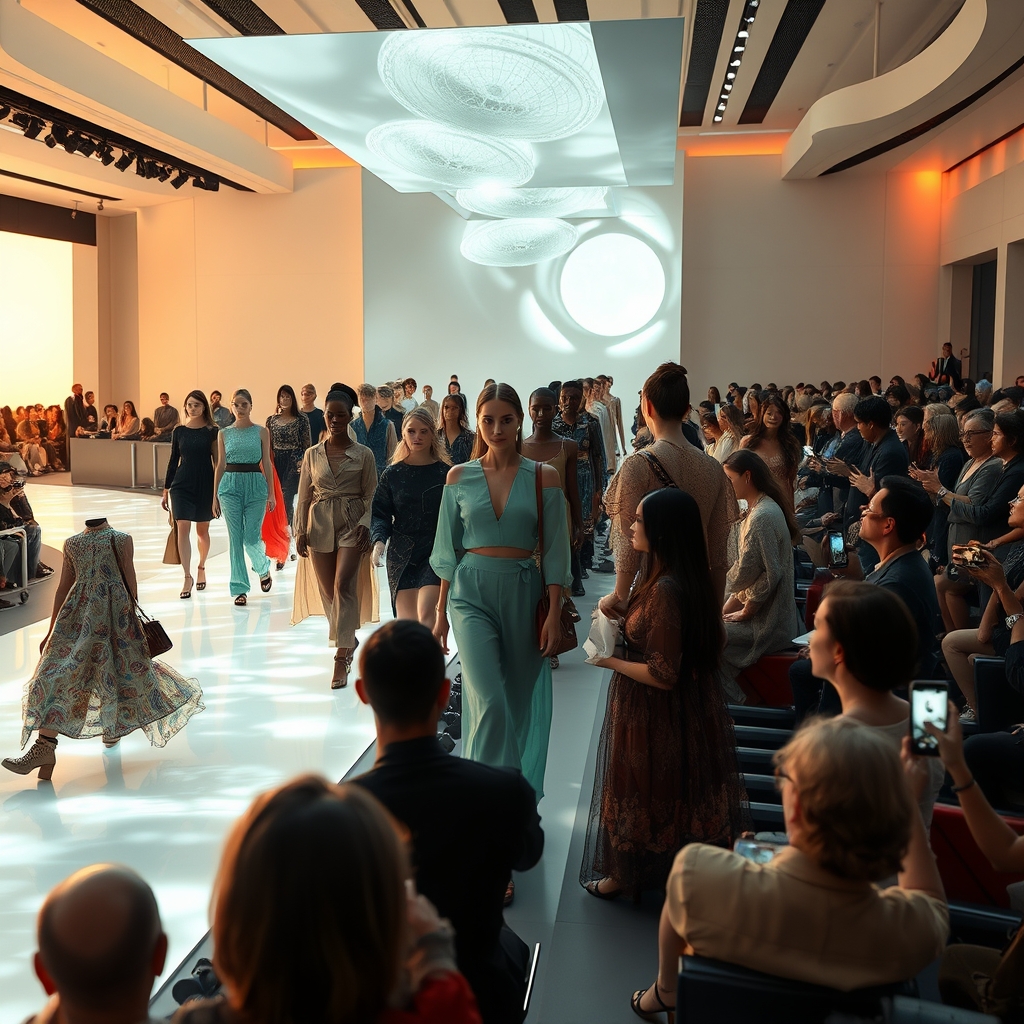
The world’s most prestigious fashion weeks—Paris, Milan, New York, and London—have long been the epicenters of sartorial innovation, where designers unveil their visions for the seasons ahead. Yet, in recent years, these iconic events have evolved beyond mere showcases of luxury and trends. They have become dynamic platforms where artistry, technology, and social consciousness intersect, redefining what it means to set the stage for global style. From the avant-garde runways of Paris Haute Couture to the sustainable statements of London’s ready-to-wear shows, fashion weeks are no longer just about what we wear—they’re about who we are and who we aspire to be.
The Alchemy of Artistry and Innovation
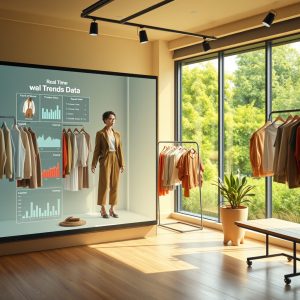
Fashion weeks have always been a celebration of creativity, but today’s runways are pushing the boundaries of what fashion can achieve. Designers are increasingly blending traditional craftsmanship with cutting-edge technology, creating collections that are as much about storytelling as they are about aesthetics. Take, for instance, the rise of virtual fashion shows, which gained momentum during the pandemic but have since become a permanent fixture in the industry. Brands like Balmain and Gucci have embraced digital runways, using augmented reality (AR) and 3D modeling to craft immersive experiences that transcend geographical limitations. These virtual shows not only democratize access to high fashion but also allow designers to experiment with surreal, otherworldly aesthetics that would be impossible to replicate in a physical space.
Yet, innovation isn’t limited to the digital realm. On the physical runways, designers are incorporating sustainable materials, upcycling techniques, and zero-waste production methods to create collections that are as eco-conscious as they are visually stunning. Stella McCartney’s Spring Summer 2024 show in Paris, for example, featured biodegradable fabrics and plant-based dyes, proving that luxury and sustainability can coexist. Similarly, Milan Fashion Week has seen a surge in brands like Prada and Versace embracing circular fashion, where garments are designed to be recycled or repurposed, reducing the industry’s environmental footprint.
The Rise of Inclusivity: A New Front Row
Fashion weeks have historically been criticized for their lack of diversity, but the tide is turning. Today’s runways are more inclusive than ever, with designers casting models of all ages, sizes, ethnicities, and gender identities. This shift isn’t just a fleeting trend—it’s a reflection of the industry’s growing recognition that fashion should be a space for everyone. London Fashion Week, in particular, has become a trailblazer in this regard, with brands like Christopher Kane and Simone Rocha championing body positivity and gender fluidity in their collections. Meanwhile, New York Fashion Week has seen an increase in adaptive fashion, with designers like Tommy Hilfiger and Collina Strada creating garments that cater to people with disabilities, ensuring that style is accessible to all.
The front row, too, has undergone a transformation. Once reserved for celebrities and industry elites, it now welcomes influencers, activists, and even everyday fashion enthusiasts who bring fresh perspectives to the conversation. This democratization of the front row has not only broadened the audience for fashion weeks but has also amplified voices that were previously marginalized. It’s a reminder that fashion is no longer just about exclusivity—it’s about community, connection, and collective expression.
The Backstage Beat: Where Magic Meets Method
While the runway may be the star of the show, the real magic happens backstage. It’s here, in the whirlwind of fittings, last-minute alterations, and frenetic energy, that a designer’s vision comes to life. The backstage of a fashion week show is a microcosm of creativity, collaboration, and chaos, where every detail—from the models’ makeup to the set design—is meticulously curated to create a cohesive aesthetic. Photographers like Mario Testino and Steven Meisel have immortalized these moments, capturing the raw, unfiltered beauty of the fashion world’s behind-the-scenes alchemy.
But backstage isn’t just about glamour—it’s also where the industry’s challenges come to light. The pressure to produce flawless shows in record time, the physical and emotional toll on models and crew, and the environmental impact of fast fashion are all part of the conversation. Sustainable fashion shows, in particular, are shining a spotlight on these issues, with brands like Marine Serre and Bethany Williams leading the charge. Their backstage processes prioritize ethical sourcing, fair labor practices, and waste reduction, proving that sustainability isn’t just a trend—it’s a necessity.
The Future of Fashion Weeks: A Canvas for Change
As fashion weeks continue to evolve, one thing is clear: they are no longer just about predicting trends—they’re about shaping the future. The Autumn Winter and Spring Summer collections of today are setting the stage for a more inclusive, innovative, and sustainable industry. Designers are using their platforms to address pressing social and environmental issues, from climate change to racial justice, turning the runway into a space for activism as much as artistry. The resort collections, too, are playing a pivotal role in this shift, offering designers an opportunity to experiment with bold, unconventional ideas that challenge the status quo.
Virtual fashion shows, once seen as a temporary solution, are now a permanent part of the landscape, offering new ways to engage audiences and reduce the industry’s carbon footprint. Meanwhile, the rise of hybrid shows—where physical runways are paired with digital experiences—is blurring the lines between the real and the virtual, creating a new paradigm for how we experience fashion. These innovations are not just changing the way we consume fashion; they’re changing the way we think about it.
The runway’s rhythm is no longer just about the beat of the music or the pace of the models’ strides. It’s about the heartbeat of an industry in transformation, where every stitch, every step, and every show is a statement. Fashion weeks are no longer just events—they’re movements, driving us toward a future where style is synonymous with substance, and where the clothes we wear tell a story far bigger than ourselves. As the lights dim and the final model exits the catwalk, the conversation doesn’t end—it evolves, carrying the spirit of innovation, inclusivity, and artistry into the seasons ahead.