The Next Frontier of Fashion: How Immersive Tech and Ethical Curation Are Crafting Bespoke Style Ecosystems
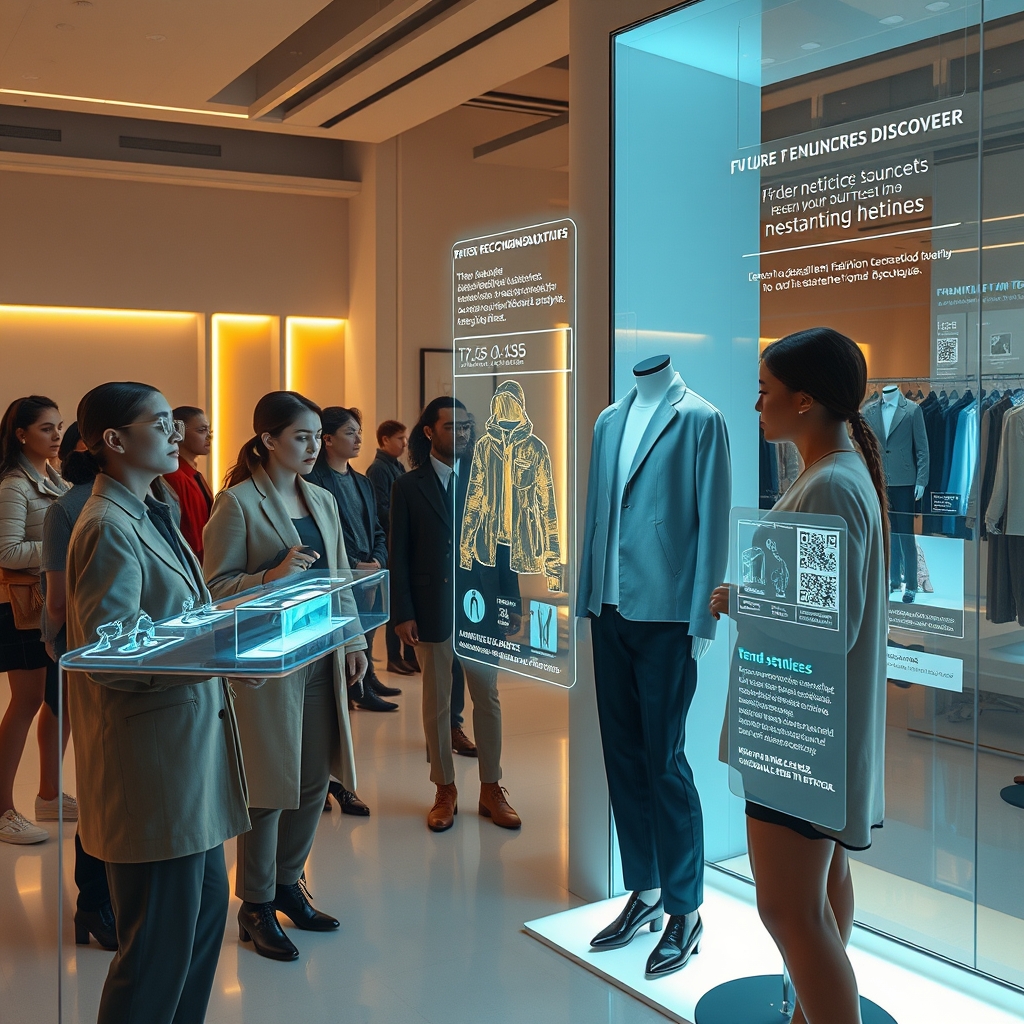
Fashion is no longer just about what you wear—it’s about how you discover, experience, and connect with it. The industry is undergoing a quiet transformation, one where technology and ethics intertwine to create hyper-personalized, sustainable, and emotionally resonant shopping experiences. At the heart of this shift lies a delicate balance between data-driven insights and human-centric storytelling, redefining what it means to curate a wardrobe in the digital age.
The Rise of Immersive Brand Storytelling
Gone are the days when fashion brands relied solely on glossy campaigns and static lookbooks. Today, immersive storytelling is taking center stage, inviting consumers into a brand’s world through interactive narratives, augmented reality (AR), and virtual experiences. Imagine stepping into a digital atelier where the craftsmanship behind a garment is unveiled in 360-degree detail, or walking through a virtual pop-up shop that blends the tactile allure of a boutique with the convenience of online shopping. These experiences don’t just sell products—they forge emotional connections, turning transactions into journeys.
Brands like Gucci and Balenciaga have already experimented with virtual fashion shows and AR try-ons, but the next wave goes deeper. Emerging platforms are using AI to generate dynamic, personalized stories based on a shopper’s preferences, values, and even mood. A sustainable brand, for instance, might craft a narrative around the ethical sourcing of its materials, allowing customers to trace the journey of their garment from farm to closet. This level of transparency doesn’t just build trust—it transforms shopping into an act of alignment with one’s values.
Personalized Style Mapping: Beyond the Algorithm
Personalization in fashion has evolved far beyond basic recommendations based on past purchases. The latest advancements in AI and machine learning are enabling what can only be described as style mapping—a holistic approach to understanding a consumer’s aesthetic, lifestyle, and aspirations. Unlike traditional algorithms that rely on broad demographic data, style mapping delves into the nuances of individual taste, analyzing everything from social media behavior to local climate patterns to curate suggestions that feel almost psychic in their accuracy.
Take, for example, a platform that doesn’t just suggest a dress because you bought one last month, but because it knows you’re attending a beach wedding in Bali next month and need something that balances elegance with breathability. Or a service that recognizes your preference for vintage-inspired silhouettes but introduces you to modern, sustainable brands that align with that aesthetic. This level of personalization turns shopping from a chore into a creative exploration, where every recommendation feels like a discovery tailored just for you.
The Role of Community in Shaping Trends
Fashion has always been a social phenomenon, but the digital age has amplified its communal nature. Today, trends are no longer dictated solely by runways or influencers—they emerge from the ground up, shaped by the collective tastes of niche communities. Platforms like Depop, Poshmark, and even Instagram have democratized trend-spotting, allowing micro-communities to rally around specific styles, aesthetics, or values. This shift has given rise to what some are calling community-driven style, where the most authentic trends are those that resonate deeply with a passionate, engaged audience.
Brands that tap into these communities—whether through user-generated content, co-creation initiatives, or real-time feedback loops—are the ones that thrive. They’re not just selling products; they’re fostering movements. For instance, a boutique specializing in upcycled fashion might collaborate with its customers to design a limited-edition collection, turning shoppers into stakeholders. This approach not only drives loyalty but also ensures that the trends being promoted are genuinely desired, rather than imposed.
Ethical Sourcing and the Modern Resale Revolution
The conversation around sustainability in fashion has moved beyond buzzwords. Consumers are no longer satisfied with vague promises of “eco-friendly” materials—they want proof, and they want it to be accessible. Ethical sourcing is no longer a niche concern; it’s a non-negotiable for a growing segment of shoppers who demand transparency at every stage of the supply chain. Brands that embrace this shift are leveraging blockchain technology to provide immutable records of their sourcing practices, from the cotton fields to the dye houses to the factories where garments are assembled.
Parallel to this is the rise of the modern resale experience. The secondhand market is no longer the domain of thrift stores and flea markets—it’s a thriving ecosystem where luxury, sustainability, and exclusivity intersect. Platforms like The RealReal and Vestiaire Collective have elevated resale to an art form, offering authenticated, high-end pieces at a fraction of their original price. But the real innovation lies in how these platforms are integrating with traditional retail. Some brands are now offering “pre-loved” sections within their own websites, while others are experimenting with rental models that allow customers to rotate their wardrobes without the guilt of overconsumption.
Seamless Shopping: The Future of Retail Optimization
The line between online and offline shopping has blurred to the point of irrelevance. Today’s consumers expect a seamless experience, whether they’re browsing a boutique’s Instagram feed, trying on clothes in a virtual fitting room, or walking into a physical store. The most forward-thinking retailers are optimizing every touchpoint, using data to anticipate needs and remove friction from the shopping journey. For example, a customer might receive a notification on their phone as they walk past a store, alerting them to a limited-time offer on an item they’ve been eyeing online. Or they might use an app to scan a QR code in-store, unlocking a personalized discount or styling tips based on their purchase history.
This level of optimization isn’t just about convenience—it’s about creating a shopping experience that feels intuitive, almost magical. It’s about understanding that the modern consumer values time as much as they value style, and that the best retail experiences are those that respect both.
As fashion continues to evolve, the brands that will lead the next era are those that recognize style is no longer a static concept. It’s a living, breathing ecosystem shaped by technology, ethics, and community. The future of fashion isn’t just about what you wear—it’s about how you experience it, how you connect with it, and how it reflects who you are. In this landscape, the most powerful tool isn’t a trend forecast or a marketing campaign, but the ability to listen, adapt, and create experiences that resonate on a deeply personal level. The wardrobe of tomorrow isn’t just curated—it’s alive.