Beyond the Rack: How Immersive Brand Storytelling and Real-Time Trend Tracking Are Crafting the Future of Fashion Discovery
The fashion landscape is undergoing a radical transformation, shifting from mass-produced homogeneity to a deeply personalized, story-driven experience. At the heart of this evolution lies a powerful duo: immersive brand storytelling and real-time trend tracking. Together, they are redefining how consumers discover, engage with, and invest in fashion—turning every purchase into a chapter of a larger narrative rather than a fleeting transaction.
The Power of Immersive Brand Storytelling
Gone are the days when fashion brands could rely solely on glossy campaigns and celebrity endorsements to captivate audiences. Today’s consumers crave authenticity, connection, and a sense of belonging. Immersive brand storytelling fills this void by weaving a brand’s ethos, craftsmanship, and values into a compelling narrative that resonates on a personal level. Whether it’s a behind-the-scenes look at ethical sourcing practices, the journey of artisans crafting a limited-edition collection, or interactive digital experiences that allow users to explore a brand’s heritage, storytelling has become the cornerstone of modern fashion marketing.
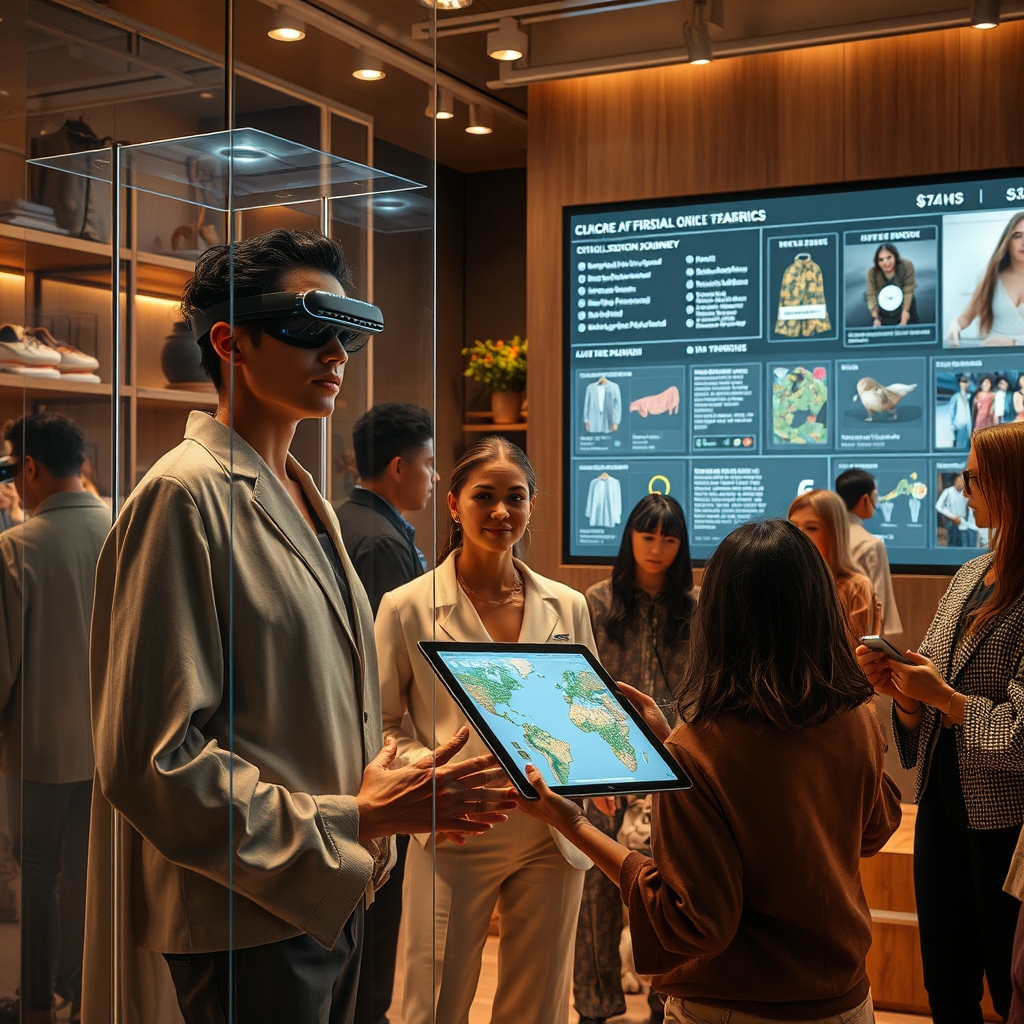
Take, for example, brands that leverage augmented reality (AR) to transport customers into the worlds that inspire their collections. A luxury label might use AR to let users virtually walk through the streets of Paris or Milan, where the latest trends were spotted, while a sustainable brand could offer a 360-degree tour of their eco-friendly factories. These experiences don’t just sell products—they sell stories, emotions, and a lifestyle that consumers want to be a part of.
Why Storytelling Matters in Fashion Discovery
Storytelling isn’t just a marketing gimmick; it’s a tool for boutique discovery and authentic wardrobe curation. When a brand shares the story behind a garment—whether it’s the inspiration behind a design, the hands that stitched it, or the impact of its materials—it transforms the item from a mere commodity into a piece of art with meaning. This emotional connection fosters loyalty and encourages consumers to make more conscious consumer shopping decisions, aligning their purchases with their values.
Moreover, storytelling humanizes brands, making them more relatable and trustworthy. In an era where greenwashing and fast fashion dominate headlines, transparency through storytelling builds credibility. Consumers are no longer satisfied with vague promises of sustainability; they want to see the proof in the form of narratives that detail a brand’s journey toward ethical practices.
The Role of Real-Time Trend Tracking in Personalized Fashion
While storytelling captures the heart, real-time trend tracking engages the mind. The fashion industry has always been dynamic, but the pace of change has accelerated exponentially with the rise of social media, influencer culture, and digital innovation. Today, trends emerge and evolve in real time, and brands that can harness this data gain a competitive edge in delivering personalized style mapping and tailored fashion recommendations.
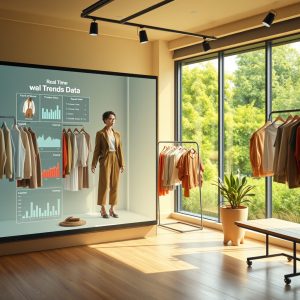
Real-time trend tracking leverages data-driven style trends and predictive trend analysis to anticipate what consumers will want next. By analyzing social media chatter, search engine queries, and even street style photography, brands can identify micro-trends before they hit the mainstream. This allows them to curate exclusive fashion finds that feel fresh, relevant, and tailored to individual preferences.
From Data to Personalization: The Future of Shopping
The integration of real-time trend tracking with personalized fashion journeys is revolutionizing the shopping experience. Imagine logging into a fashion platform and being greeted with a selection of pieces that align not just with your past purchases, but with the latest trends spotted in your favorite cities or among influencers you follow. This level of personalization goes beyond basic algorithms; it’s about creating a seamless shopping experience that feels intuitive and effortless.
Virtual fitting room tech further enhances this experience by allowing consumers to try on clothes digitally before making a purchase. This not only reduces the friction of online shopping but also minimizes returns, contributing to a more sustainable fashion ecosystem. When combined with community-driven style features—such as the ability to see how others are styling a particular piece—these technologies create a sense of connection and inspiration that traditional retail simply cannot match.
Ethical Sourcing and the Sustainable Style Evolution
No discussion of modern fashion discovery would be complete without addressing the growing demand for ethical fashion sourcing and sustainability. Consumers are increasingly aware of the environmental and social impact of their purchases, and they expect brands to share this responsibility. Immersive storytelling and real-time trend tracking play a crucial role in this shift by highlighting the journey of a garment from conception to creation.
For instance, a brand might use its platform to showcase the farmers who grew the organic cotton for a collection or the artisans who hand-dyed the fabrics using natural pigments. By making these stories visible, brands not only educate consumers but also foster a deeper appreciation for the craftsmanship and effort behind each piece. This, in turn, encourages more thoughtful purchasing decisions and supports the sustainable style evolution that the industry so desperately needs.
Boutique Retail Optimization Through Technology
For smaller boutiques and independent designers, boutique retail optimization is key to competing in a market dominated by fast fashion giants. Technology is leveling the playing field by enabling these businesses to leverage data and storytelling in ways that were once only accessible to large corporations. Tools like AI-driven inventory management, personalized email marketing, and social media analytics allow boutiques to understand their customers better and deliver curated experiences that feel bespoke.
Additionally, platforms that specialize in modern resale experiences
are giving new life to pre-loved fashion, making sustainability accessible and stylish. By integrating resale options into their business models, boutiques can attract eco-conscious consumers while also creating a circular economy that benefits both the planet and their bottom line. As fashion continues to evolve, the lines between discovery, storytelling, and technology will blur even further. The brands that thrive will be those that recognize fashion is no longer just about what you wear—it’s about the stories you tell, the values you uphold, and the experiences you create. In this new era, every purchase is an opportunity to connect, inspire, and make a difference, one carefully curated piece at a time. The future of fashion isn’t just about keeping up with trends; it’s about shaping them in a way that reflects who we are and who we aspire to be.