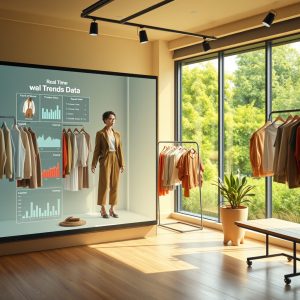
The Digital Runway Revolution: How Virtual Fashion Shows Are Redefining Luxury and Accessibility
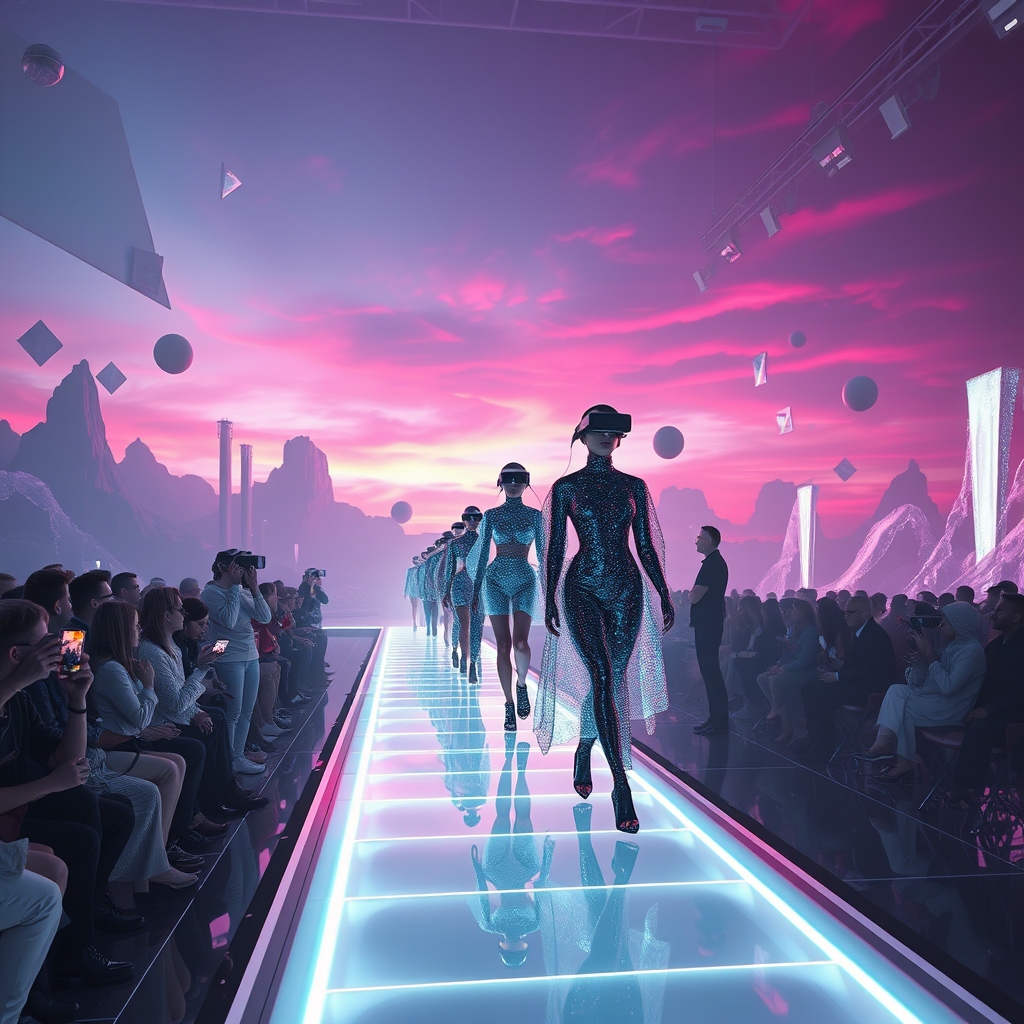
The fashion world has long been synonymous with exclusivity—invitation-only front rows, velvet ropes, and the electric buzz of a live runway show. Yet, in an era where technology and creativity collide, the traditional fashion show is undergoing a radical transformation. Virtual fashion shows, once a novelty, have now become a cornerstone of the industry, reshaping how designers present their collections and how audiences experience them. This shift is not just about adapting to a post-pandemic world; it’s about reimagining the very essence of fashion presentation, blending innovation with inclusivity in ways that were once unimaginable.
The Rise of the Virtual Catwalk
The concept of a virtual fashion show is not entirely new, but its evolution has been accelerated by necessity. When global lockdowns brought physical events to a halt, designers and brands turned to digital platforms to keep the momentum of fashion weeks alive. What began as a stopgap solution quickly revealed its potential. Virtual shows eliminated geographical barriers, allowing anyone with an internet connection to witness the spectacle of Paris, Milan, New York, or London Fashion Week from their living rooms. This democratization of fashion has opened doors for emerging designers, independent labels, and even fashion enthusiasts who might never have had the chance to attend a physical show.
Platforms like Digital Fashion Week and collaborations with gaming giants such as Fortnite and Roblox have taken the virtual runway to new heights. These immersive experiences go beyond mere livestreams; they offer interactive environments where viewers can explore collections in 3D, customize avatars, and even purchase digital garments. The fusion of fashion and gaming has created a new frontier, one where the boundaries between reality and virtuality blur, and the runway becomes a playground for creativity.
Sustainability Meets Spectacle
One of the most compelling arguments for virtual fashion shows is their potential to reduce the industry’s environmental footprint. Traditional fashion weeks are notorious for their extravagance—private jets ferrying editors and buyers across continents, elaborate set designs discarded after a single use, and the carbon emissions from thousands of attendees. Virtual shows, by contrast, offer a more sustainable alternative. Without the need for physical venues, travel, or excessive production, the environmental impact is significantly diminished.
Designers are also leveraging digital tools to push the boundaries of sustainability. Virtual garments, for instance, can be created and showcased without a single piece of fabric being cut. Brands like Balenciaga and Gucci have experimented with digital-only collections, proving that fashion can thrive in a virtual space without compromising on creativity or luxury. This shift aligns with the growing demand for sustainable fashion, as consumers and designers alike seek ways to reduce waste and promote ethical practices.
The Art of Storytelling in a Digital Age
While virtual fashion shows offer undeniable advantages, they also present unique challenges. The absence of a physical audience means designers must rethink how they engage viewers and convey the emotion behind their collections. Storytelling becomes paramount. Brands are turning to cinematic techniques, augmented reality (AR), and virtual reality (VR) to create narratives that captivate audiences. A virtual show is no longer just a parade of garments; it’s an immersive experience that transports viewers into the designer’s world.
For example, Prada’s virtual show for its Autumn/Winter 2021 collection transformed the runway into a surreal, dreamlike landscape, complete with shifting backdrops and ethereal lighting. Similarly, Dior’s digital presentations have embraced fantasy, using animation and visual effects to bring their collections to life. These innovations prove that virtual fashion shows can be just as evocative as their physical counterparts, if not more so, by leveraging technology to enhance storytelling.
The Future of Front Row Fashion
The front row has always been a symbol of status in the fashion world—a coveted seat reserved for industry insiders, celebrities, and influencers. But in the digital realm, the front row is no longer confined to a physical space. Virtual fashion shows have redefined what it means to be part of the audience. Viewers can now interact with the show in real time, share their reactions on social media, and even influence the outcome of the presentation. This shift has given rise to a new kind of front row, one that is inclusive, interactive, and global.
Social media platforms like Instagram and TikTok have become integral to the virtual fashion show experience. Designers now curate content specifically for these platforms, creating bite-sized clips, behind-the-scenes footage, and interactive polls to engage audiences. The result is a more dynamic and participatory fashion week, where the line between spectator and participant blurs. This evolution reflects a broader trend in the industry: the move toward a more accessible, democratic, and engaging fashion ecosystem.
Challenges and Criticisms
Despite their many advantages, virtual fashion shows are not without their critics. Some argue that the digital format lacks the tactile experience of a physical show—the rustle of fabric, the energy of the crowd, the thrill of seeing a garment up close. There’s also the question of exclusivity. While virtual shows make fashion more accessible, they also risk diluting the sense of prestige that has long been associated with fashion week. For some, the magic of the runway lies in its exclusivity, and the shift to digital threatens to erode that allure.
Additionally, the digital divide remains a significant barrier. Not everyone has access to high-speed internet or the latest technology, which means that virtual fashion shows, while more inclusive in some ways, can still exclude those who lack the necessary resources. As the industry continues to embrace digital innovation, it must also address these challenges to ensure that the future of fashion is truly inclusive.
The fashion industry stands at a crossroads, where tradition and innovation intersect in unexpected ways. Virtual fashion shows are not merely a temporary solution to a global crisis; they represent a fundamental shift in how fashion is created, presented, and consumed. By embracing digital platforms, designers are not only expanding their reach but also redefining what it means to be a part of the fashion world. The runway of the future is no longer confined to a physical space—it’s a dynamic, ever-evolving digital landscape where creativity knows no bounds. As technology continues to advance, the possibilities for virtual fashion are limitless, promising a future where style is not just seen but experienced in ways we have yet to imagine.