The Evolution of Runway Fashion: From Haute Couture to Virtual Catwalks
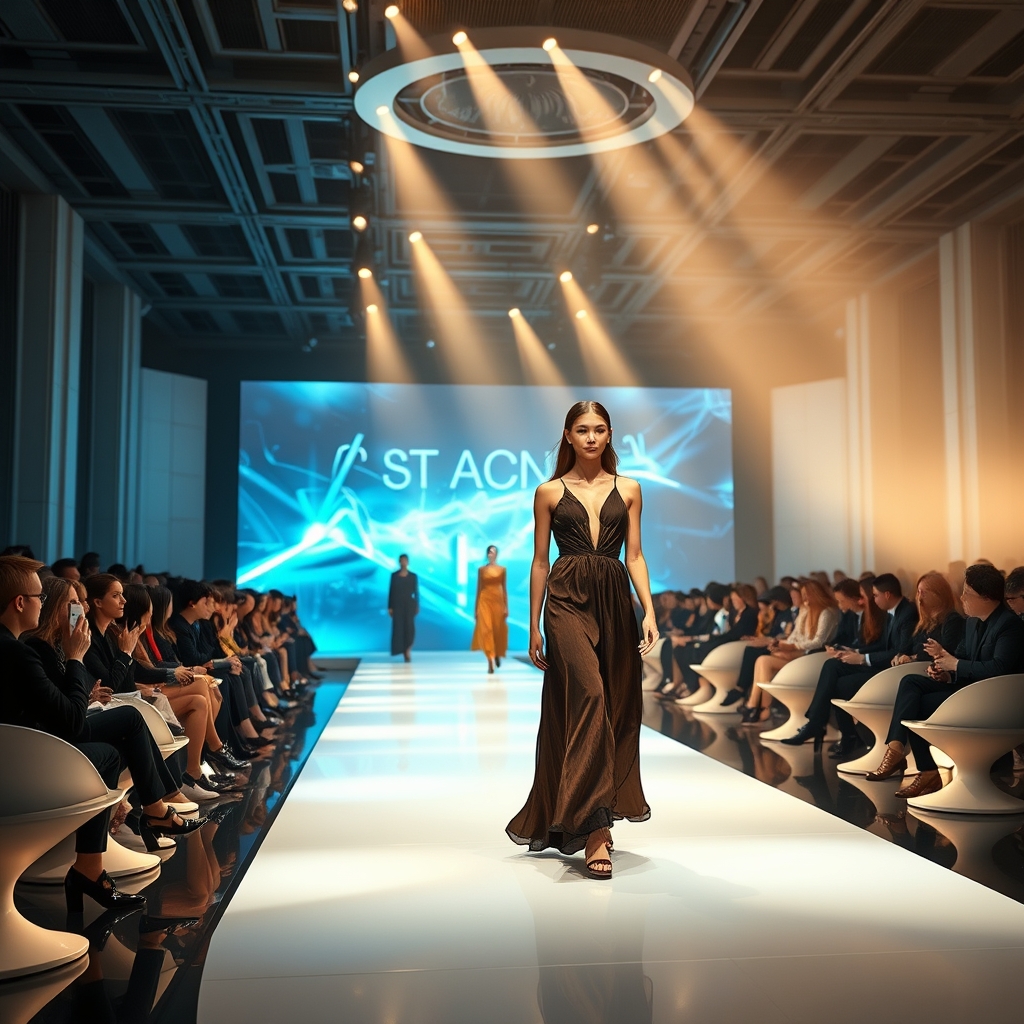
The world of high fashion is a mesmerizing blend of creativity, innovation, and spectacle. Every year, fashion capitals like Paris, Milan, New York, and London transform into epicenters of style, hosting the most anticipated events in the industry: Fashion Week. These gatherings are not just about showcasing the latest Autumn Winter Collection or Spring Summer Runway trends; they are cultural phenomena that shape global aesthetics, influence consumer behavior, and redefine the boundaries of art and commerce. From the opulence of Haute Couture Shows to the accessibility of Ready To Wear lines, runway fashion has evolved into a dynamic force that reflects societal shifts, technological advancements, and the ever-changing tastes of the modern world.
The Golden Age of Haute Couture
In the mid-20th century, Haute Couture Shows were the pinnacle of luxury and exclusivity. Designers like Christian Dior, Coco Chanel, and Yves Saint Laurent crafted one-of-a-kind pieces that were as much about artistry as they were about fashion. These shows were intimate affairs, often held in grand salons, where the elite of society gathered to witness the birth of new trends. The Luxury Runway Look was not just about clothing; it was about storytelling, with each collection narrating a unique vision of beauty, power, or rebellion. The Fashion Show Aesthetic of this era was characterized by meticulous craftsmanship, lavish fabrics, and an almost theatrical presentation that transported audiences into the designer’s imagination.
Paris, in particular, became synonymous with haute couture, setting the standard for elegance and sophistication. The Paris Fashion Week was—and still is—the ultimate stage for designers to unveil their most extravagant creations. The Front Row Fashion attendees, often celebrities, royalty, and industry insiders, added to the allure, making these events as much about status as they were about style. Meanwhile, Milan Fashion Week emerged as a powerhouse for Italian craftsmanship, blending tradition with modernity, while New York Fashion Week brought a fresh, commercial edge to the runway, democratizing fashion for a broader audience.
The Rise of Ready-to-Wear and Global Influence
By the 1980s and 1990s, the fashion landscape began to shift. The rise of Ready To Wear Shows made designer fashion more accessible, bridging the gap between haute couture and everyday wear. Designers like Ralph Lauren, Calvin Klein, and Donna Karan capitalized on this movement, creating collections that were stylish yet wearable, catering to a growing middle-class consumer base. London Fashion Week played a pivotal role in this evolution, championing young, avant-garde designers who pushed the boundaries of conventional style. The Avant Garde Runway looks that emerged from London’s fashion scene were bold, experimental, and often controversial, reflecting the city’s rebellious spirit.
This era also saw the globalization of fashion weeks. What was once a European-dominated industry expanded to include cities like Tokyo, Shanghai, and São Paulo, each bringing its own cultural influences to the runway. The Resort Collection Show, for instance, became a key event in the fashion calendar, offering a preview of vacation-ready styles that catered to a global clientele. The Model Runway Walk
evolved as well, with models like Naomi Campbell, Linda Evangelista, and Kate Moss becoming superstars in their own right, their struts down the catwalk as iconic as the designs they wore. The 21st century brought with it a seismic shift in how fashion is presented and consumed. The advent of digital technology and social media transformed Fashion Week from an exclusive industry event into a global spectacle accessible to millions. The COVID-19 pandemic accelerated this trend, forcing designers to rethink the traditional runway format. Enter the Virtual Fashion Show, a groundbreaking innovation that allowed brands to showcase their collections online, reaching audiences far beyond the confines of a physical venue. Designers like Balmain, Gucci, and Prada embraced this new medium, creating immersive digital experiences that blended fashion with film, animation, and interactive elements. These virtual shows were not just a response to necessity; they were a testament to the industry’s resilience and adaptability. The Fashion Show Backstage experience, once hidden from public view, became part of the narrative, with live streams and behind-the-scenes content offering a glimpse into the creative process. This democratization of fashion has made the industry more inclusive, allowing emerging designers and independent brands to share their vision with a global audience. As the fashion industry grapples with its environmental impact, Sustainable Fashion Shows have emerged as a powerful movement. Designers are increasingly prioritizing eco-friendly materials, ethical production practices, and circular fashion models. Events like Copenhagen Fashion Week have set new standards by requiring participating brands to meet strict sustainability criteria, proving that fashion can be both beautiful and responsible. The Autumn Winter Collection and Spring Summer Runway trends of recent years have reflected this shift, with a growing emphasis on timeless designs, upcycled fabrics, and zero-waste techniques. Brands like Stella McCartney, Marine Serre, and Bethany Williams are leading the charge, demonstrating that sustainability and high fashion are not mutually exclusive. The High Fashion Runway is no longer just about excess and opulence; it is about mindful consumption and innovation. This movement has also given rise to new platforms and events dedicated to sustainable fashion, such as the Global Fashion Summit and Fashion Revolution Week, which advocate for transparency and accountability in the industry. The runway has always been a stage for reinvention, and the future promises even more exciting transformations. Augmented reality (AR) and virtual reality (VR) are poised to revolutionize the Fashion Show Aesthetic
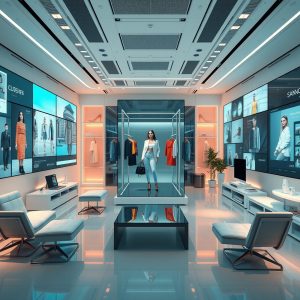
, offering immersive experiences that blur the line between the physical and digital worlds. Imagine attending a Paris Fashion Week show from the comfort of your home, with a 360-degree view of the runway and the ability to interact with the designs in real time. Meanwhile, artificial intelligence (AI) is being used to predict trends, personalize shopping experiences, and even design clothing, opening up new possibilities for creativity and customization. As fashion continues to evolve, one thing remains constant: its power to inspire, provoke, and unite. Whether it’s the grandeur of a Haute Couture Show, the accessibility of a Ready To Wear collection, or the innovation of a Virtual Fashion Show, runway fashion will always be a reflection of the times. It challenges us to think differently about beauty, identity, and the world we live in, reminding us that fashion is not just about what we wear—it’s about who we are and who we aspire to be. The runway is more than a platform; it’s a canvas for the future, where every stitch, every step, and every show tells a story waiting to be discovered.The Digital Revolution: Virtual Fashion Shows
Sustainability: The New Frontier of Runway Fashion
The Future of Runway Fashion