The Runway’s Silent Storytellers: How Fashion Week Collections Speak Without Words
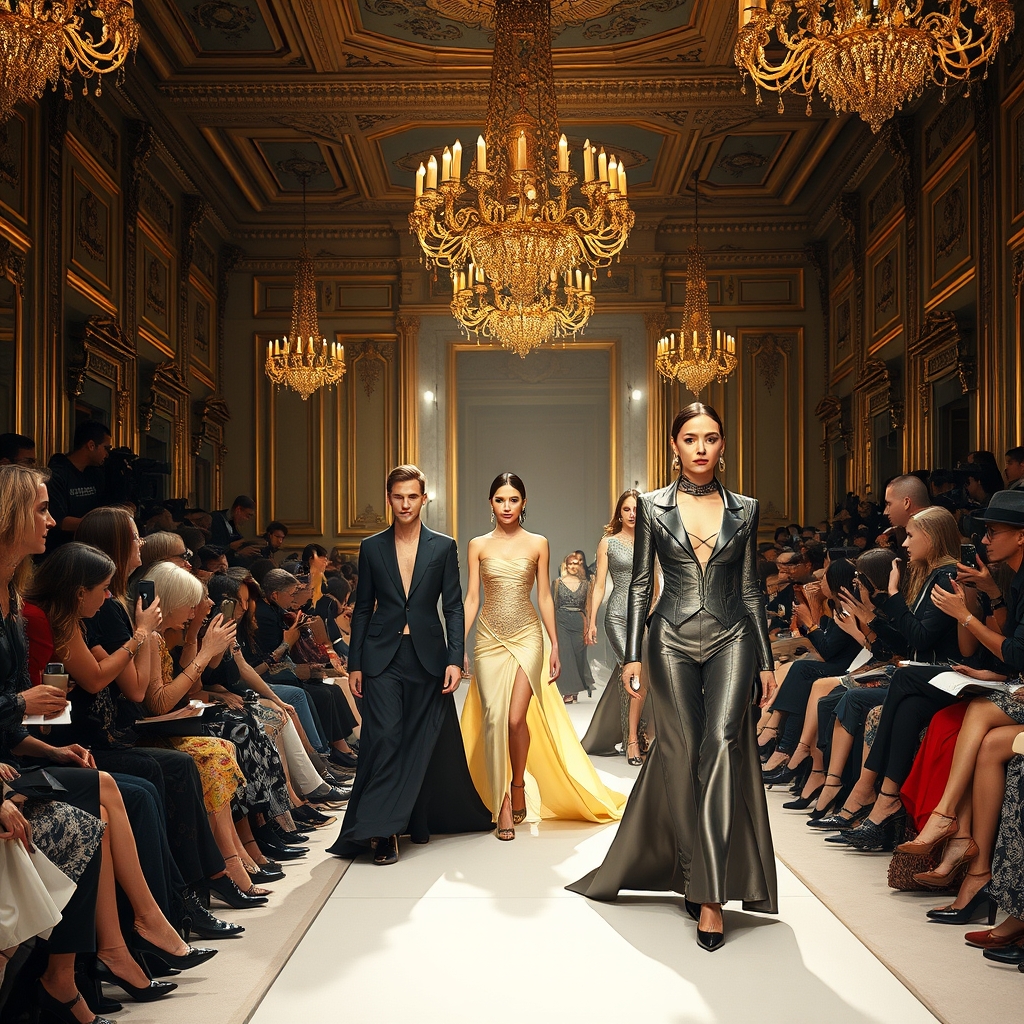
The world of high fashion is often perceived as a dazzling spectacle of glamour, where models stride down the catwalk in meticulously crafted ensembles, and the front row is a who’s who of celebrities and industry titans. Yet, beneath the surface of this opulence lies a deeper narrative—one that transcends mere aesthetics and delves into the realm of storytelling. Fashion Week, whether in Paris, Milan, New York, or London, is not just a showcase of trends; it is a silent symphony of ideas, emotions, and cultural commentary, where every stitch, fabric, and silhouette speaks volumes without uttering a single word.
The Language of Fabric and Form
Every season, designers embark on a journey to translate their visions into tangible art. The Autumn Winter Collection and Spring Summer Runway are not merely about predicting what will be worn in the coming months; they are about capturing the zeitgeist of the moment. A single garment can evoke a myriad of emotions—nostalgia, rebellion, hope, or even melancholy. For instance, the resurgence of 1990s minimalism in recent Ready To Wear Shows is not just a nod to the past but a reflection of the current desire for simplicity and authenticity in an increasingly complex world.
Fabric choices, too, play a pivotal role in this silent dialogue. The use of sustainable materials in a Sustainable Fashion Show is not merely an environmental statement but a call to action, urging the industry and consumers alike to rethink their relationship with fashion. Similarly, the juxtaposition of luxurious silks with rugged denim in a Luxury Runway Look can symbolize the blending of old-world elegance with modern pragmatism, a theme that resonates deeply in today’s fast-paced society.
The Runway as a Canvas for Cultural Narratives
Fashion Week runways are often a melting pot of global influences, where designers draw inspiration from their heritage, travels, and the world around them. The Haute Couture Show in Paris, for example, frequently features intricate embroidery and craftsmanship that pay homage to traditional techniques from countries like India, Morocco, or Japan. These collections are not just about showcasing skill; they are about preserving and celebrating cultural identities in a world that is rapidly homogenizing.
In Milan, the Designer Fashion Show often blends Italian artistry with contemporary global trends, creating a unique fusion that speaks to both tradition and innovation. Meanwhile, London’s Avant Garde Runway is renowned for its bold, experimental designs that challenge conventional notions of beauty and form. These shows are not just about clothing; they are about pushing boundaries and redefining what fashion can be.
The Power of the Model’s Walk
The Model Runway Walk is another silent yet powerful element of Fashion Week. A model’s stride, posture, and expression can convey confidence, vulnerability, or defiance, adding another layer of meaning to the garments they wear. The way a model interacts with the audience—whether through a piercing gaze or a subtle smile—can transform a simple outfit into a statement. This is particularly evident in shows that feature diverse casting, where the inclusion of models of different ages, sizes, and backgrounds sends a powerful message about inclusivity and representation.
The Rise of the Virtual Runway
The advent of the Virtual Fashion Show has further expanded the possibilities of silent storytelling in fashion. Digital runways allow designers to experiment with surreal landscapes, fantastical backdrops, and even augmented reality, creating immersive experiences that transcend the physical limitations of a traditional catwalk. These shows are not just about showcasing clothes; they are about transporting the audience into a different world, where fashion becomes a form of escapism and imagination.
For example, a Resort Collection Show set in a digital tropical paradise can evoke feelings of wanderlust and freedom, while a futuristic High Fashion Runway with neon lights and holographic effects can inspire awe and wonder. The virtual realm also democratizes fashion, making it accessible to a global audience who may not have the opportunity to attend a physical show. This shift has not only redefined the Fashion Show Aesthetic but has also opened up new avenues for creativity and innovation.
Backstage: Where the Magic Begins
While the front row may steal the spotlight, the true magic of Fashion Week often unfolds backstage. The Fashion Show Backstage is a hive of activity, where designers, stylists, makeup artists, and models work in harmony to bring a vision to life. The energy is palpable, the stakes are high, and the pressure is intense. Yet, it is in these moments of chaos that the silent storytellers of fashion—those who work tirelessly behind the scenes—come into their own.
Backstage is where last-minute adjustments are made, where a designer’s vision is fine-tuned, and where the final touches are added to ensure that every detail aligns with the narrative of the collection. It is also where the models prepare mentally and physically for their moment in the spotlight, embodying the emotions and messages that the designer intends to convey. The backstage area is a microcosm of the fashion world itself—a place where creativity, collaboration, and craftsmanship converge to create something truly extraordinary.
Fashion Week is more than just a series of glamorous events; it is a living, breathing entity that evolves with each passing season. The runways of Paris, Milan, New York, and London are not just platforms for showcasing clothes; they are stages for storytelling, where designers, models, and artists come together to create a narrative that resonates with the world. Whether through the tactile language of fabric, the cultural tapestry of global influences, or the immersive experiences of virtual runways, fashion speaks in a voice that is both silent and profound. It challenges us to see beyond the surface, to question the status quo, and to embrace the beauty of individuality and creativity. In a world that often feels divided, fashion remains a universal language—one that unites us all in its silent, stylish symphony.