The Runway’s Chromatic Revolution: How Color, Texture, and Avant-Garde Innovation Are Redefining Fashion Week Spectacles
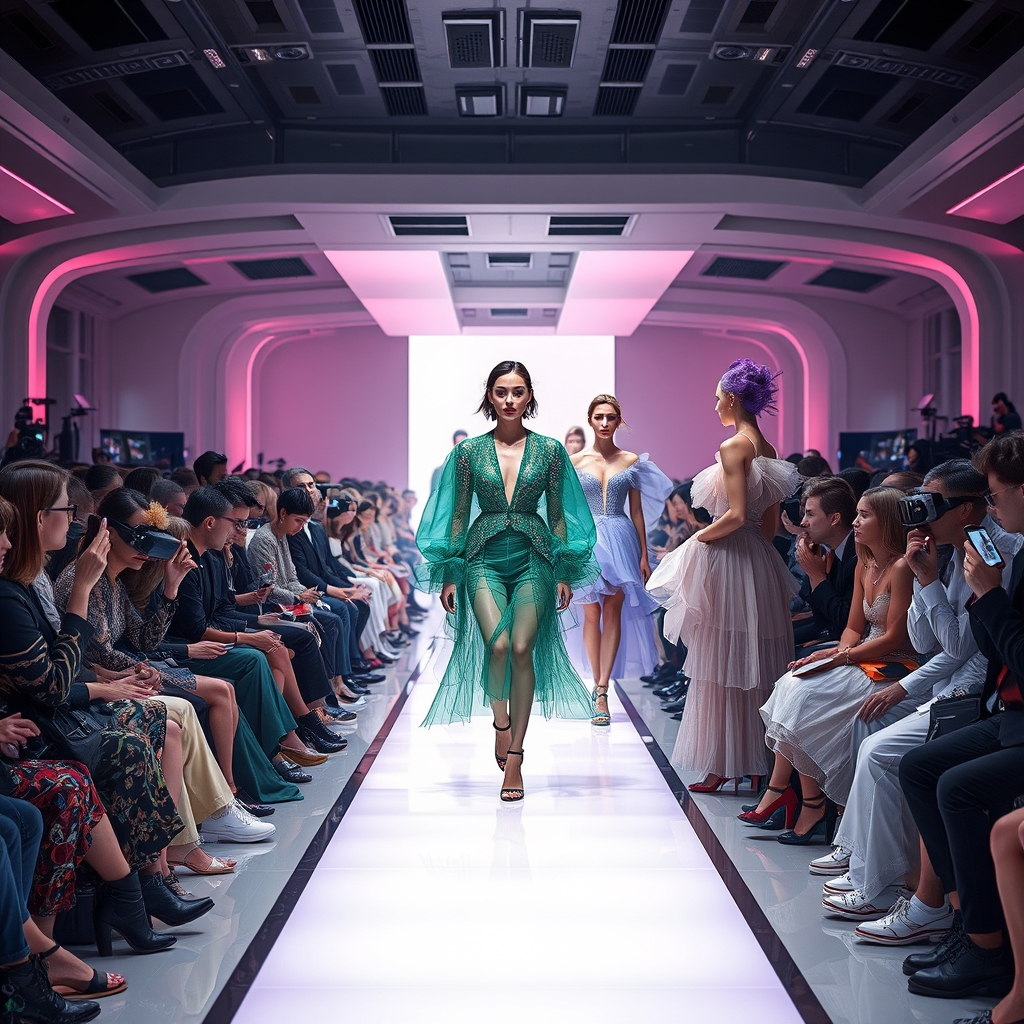
The world’s most anticipated fashion weeks—Paris, Milan, New York, and London—have long been the epicenters of sartorial innovation, where designers push the boundaries of creativity to set the tone for global style. Yet, beyond the glamour of the front row and the precision of the model’s stride, a quieter revolution is unfolding. This season, the runways are not just showcasing garments; they are orchestrating a chromatic and textural renaissance, where color palettes tell stories, fabrics defy convention, and avant-garde techniques redefine what it means to be fashionable.
The Language of Color: Palettes as Narrative Tools
Color has always been a cornerstone of fashion, but this season, designers are wielding it with unprecedented intentionality. At Paris Fashion Week, the Autumn Winter Collection saw a resurgence of moody, jewel-toned hues—deep emeralds, sapphire blues, and amethyst purples—evoking the opulence of a bygone era while grounding them in modern minimalism. Meanwhile, Milan’s runways embraced a softer, more ethereal palette, with blush pinks, lavender, and buttery yellows dominating the Ready To Wear Show, creating a dreamy, almost surreal contrast to the structured silhouettes they adorned.
In New York, the Spring Summer Runway took a bolder approach, with designers like Proenza Schouler and Telfar experimenting with high-contrast color blocking. Neon greens clashed with fiery oranges, while monochromatic looks in varying shades of the same hue created depth and dimension. These choices weren’t arbitrary; they reflected a broader cultural shift toward individuality and self-expression, where color becomes a form of personal and political statement.
Texture as the New Frontier of Design
If color is the voice of a collection, texture is its soul. This season, designers are moving beyond traditional fabrics to explore materials that challenge perception. At London Fashion Week, Simone Rocha’s Haute Couture Show featured layers of tulle, organza, and lace, but with a twist—some pieces were embedded with metallic threads or adorned with 3D-printed embellishments, blurring the line between craftsmanship and technology. The result? Garments that shimmered like liquid metal under the runway lights, captivating audiences with their tactile complexity.
In Milan, Prada’s Resort Collection Show introduced a surprising juxtaposition of textures: sleek, polished leather paired with rough, unrefined linen, or delicate chiffon layered over structured denim. This contrast wasn’t just visually striking; it spoke to the duality of modern life—where elegance and rawness coexist, and where fashion must adapt to both the boardroom and the street. Meanwhile, in Paris, Iris van Herpen’s Avant Garde Runway took texture to another level entirely, with garments that appeared to defy physics. Her use of laser-cut mylar, hand-blown glass, and even recycled plastics created pieces that looked more like wearable sculptures than clothing, challenging the very definition of fashion.
The Rise of the Hybrid Runway: Physical Meets Digital
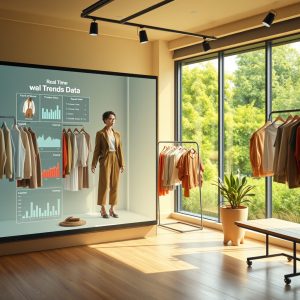
The pandemic may have accelerated the shift toward Virtual Fashion Shows, but this season proved that the digital runway is here to stay—not as a replacement for the physical experience, but as a complement to it. Designers like Balmain and Gucci embraced hybrid formats, where live runway presentations were streamed globally, allowing audiences to experience the show in real-time from the comfort of their homes. These virtual experiences weren’t just live streams; they were immersive journeys, complete with 360-degree camera angles, interactive lookbooks, and even augmented reality (AR) filters that let viewers “try on” pieces virtually.
This blending of physical and digital has also given rise to new forms of storytelling. At New York Fashion Week, Collina Strada’s Sustainable Fashion Show used a combination of live models and digital avatars to highlight the brand’s commitment to eco-conscious design. The avatars, dressed in the same garments as the physical models, walked alongside them, symbolizing the brand’s vision of a future where fashion is both tangible and virtual. The message was clear: the runway is no longer confined to a physical space; it’s a limitless canvas where creativity knows no bounds.
Backstage Alchemy: The Unsung Heroes of the Runway
While the spotlight often shines on the models and designers, the magic of a fashion show is forged in the chaos of backstage. Here, stylists, makeup artists, and seamstresses work in a symphony of precision and improvisation to bring a designer’s vision to life. This season, the Fashion Show Backstage was a masterclass in controlled chaos. At Chanel’s Haute Couture Show in Paris, models were transformed into ethereal beings with intricate braided hairstyles and dewy, “no-makeup” makeup looks that took hours to perfect. Meanwhile, in Milan, backstage at Versace, the energy was electric as models rehearsed their Model Runway Walk in towering heels, their movements choreographed to perfection.
The backstage experience also offered a glimpse into the future of fashion. At London Fashion Week, emerging designers experimented with AI-generated mood boards and digital fitting tools, reducing waste and streamlining the design process. These innovations are a testament to the industry’s evolving relationship with technology, where tradition and innovation coexist in harmony.
The Front Row: Where Fashion Meets Culture
The front row of a fashion show is more than just a seating arrangement; it’s a microcosm of culture, influence, and power. This season, the Front Row Fashion was as diverse as it was star-studded, with celebrities, activists, and even virtual influencers rubbing shoulders with industry insiders. In Paris, the front row at Dior featured a mix of Hollywood A-listers and climate activists, underscoring the brand’s commitment to sustainability. Meanwhile, in New York, the front row at Marc Jacobs was a who’s who of the art world, with painters, sculptors, and performance artists adding their unique perspectives to the spectacle.
This blending of worlds reflects a broader shift in the fashion industry, where the runway is no longer just about clothing—it’s about ideas, movements, and conversations. The front row has become a stage in its own right, where the boundaries between fashion, art, and activism are increasingly blurred.
The Future of the Runway: A Canvas of Infinite Possibilities
As fashion weeks continue to evolve, one thing is clear: the runway is no longer just a platform for showcasing clothes. It’s a living, breathing entity that reflects the zeitgeist of our times. This season, we’ve seen designers embrace color and texture as tools for storytelling, experiment with hybrid formats that bridge the physical and digital worlds, and redefine the front row as a space for cultural dialogue. The result is a runway that is more dynamic, more inclusive, and more innovative than ever before.
The most exciting part? This is only the beginning. As technology advances and cultural narratives shift, the runway will continue to transform, pushing the boundaries of what fashion can be. Whether it’s through the lens of sustainability, the fusion of art and design, or the exploration of new materials, one thing is certain: the future of fashion is as limitless as the imagination of those who create it. The runway’s chromatic revolution is just the first act in a much larger story—one that we’re all invited to be a part of, whether we’re sitting in the front row or watching from afar.