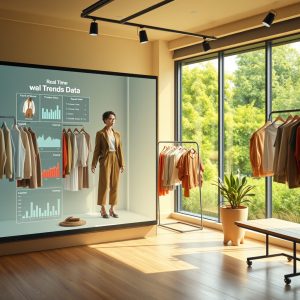
The Style Nexus: Where Data-Driven Discovery and Conscious Curation Converge to Redefine Fashion
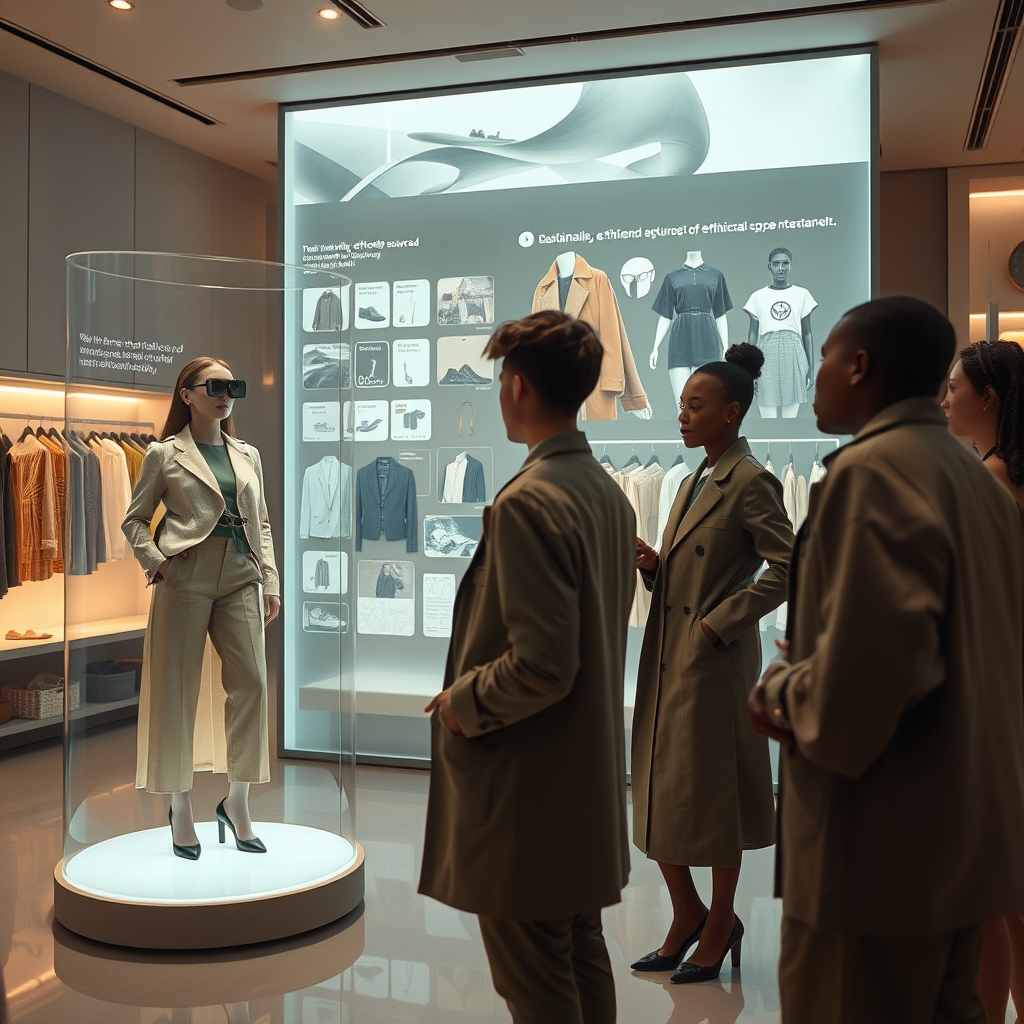
Fashion has always been a reflection of culture, identity, and innovation, but the way we discover, curate, and consume style is undergoing a profound transformation. The intersection of technology and conscious consumerism is giving rise to a new era—one where personalized style mapping, ethical sourcing, and real-time trend tracking converge to create a seamless, immersive, and sustainable fashion ecosystem. This evolution is not just about what we wear; it’s about how we engage with fashion as a dynamic, ever-evolving journey.
The Rise of Personalized Style Mapping
Gone are the days of one-size-fits-all fashion advice. Today, personalized style mapping leverages data analytics and AI to decode individual preferences, lifestyle needs, and even emotional connections to clothing. By analyzing past purchases, social media interactions, and even body measurements, algorithms can now predict what styles will resonate most with a consumer. This isn’t just about recommending a dress or a pair of shoes—it’s about crafting a wardrobe that feels authentically *you*.
Brands like Stitch Fix and Thread have pioneered this approach, using machine learning to refine their recommendations over time. The result? A shopping experience that feels less like a transaction and more like a collaboration with a stylist who truly understands your aesthetic. This shift toward hyper-personalization is redefining the relationship between consumers and fashion, making discovery more intuitive and less overwhelming.
The Ethical Imperative: Curated Sustainable Fashion
As awareness of fashion’s environmental and social impact grows, so does the demand for ethical alternatives. Curated sustainable fashion is no longer a niche—it’s a movement. Consumers are seeking transparency in sourcing, production, and labor practices, and brands are responding by integrating sustainability into every facet of their operations. From upcycled materials to carbon-neutral shipping, the focus is on creating fashion that doesn’t cost the Earth.
Platforms like Good On You and DoneGood are making it easier than ever to discover brands that align with these values. By aggregating data on ethical certifications, supply chain practices, and environmental policies, these platforms empower consumers to make informed choices. The result is a wardrobe that not only looks good but also feels good—because every piece tells a story of responsibility and care.
Boutique Discovery: The Art of the Exclusive Find
In a world dominated by fast fashion, boutique discovery offers a breath of fresh air. These curated spaces—whether physical or digital—specialize in uncovering unique, high-quality pieces that can’t be found in mainstream retail. The boutique experience is about more than just shopping; it’s about storytelling, craftsmanship, and the thrill of the hunt. Whether it’s a handcrafted leather bag from a family-run atelier or a limited-edition collaboration with an emerging designer, boutiques provide access to fashion that feels rare and meaningful.
Technology is amplifying this experience through AI-driven discovery tools that surface hidden gems based on a consumer’s style profile. Imagine an algorithm that not only recommends a dress but also shares the story behind the designer, the materials used, and even the artisans who brought it to life. This level of immersion transforms shopping from a mundane task into an enriching journey.
Immersive Brand Storytelling: Fashion as an Experience
Fashion is no longer just about the clothes—it’s about the narrative. Immersive brand storytelling is reshaping how consumers connect with labels, turning passive observers into active participants. Virtual reality (VR) showrooms, augmented reality (AR) try-ons, and interactive lookbooks are just a few of the tools brands are using to create deeper engagement. These technologies allow consumers to step into a brand’s world, whether it’s walking a virtual runway, exploring the origins of a fabric, or customizing a piece in real time.
For example, Gucci’s VR-powered app lets users explore the brand’s archives, while Balenciaga’s video game collaborations blur the lines between fashion and digital art. These experiences don’t just sell products—they sell a lifestyle, a fantasy, a sense of belonging. In an era where attention spans are short, immersive storytelling is the key to capturing hearts and minds.
Virtual Fitting Rooms: The Future of Seamless Shopping
The frustration of ordering clothes online only to find they don’t fit is a thing of the past. Virtual fitting room technology is revolutionizing the way we shop by using AI and AR to create accurate, personalized avatars. These tools allow consumers to “try on” clothes digitally, adjusting for fit, fabric drape, and even lighting conditions. The result? Fewer returns, higher satisfaction, and a shopping experience that feels as intuitive as trying on clothes in a physical store.
Brands like Zara and ASOS have already integrated AR fitting rooms into their apps, while startups like Zeekit are pushing the boundaries with AI-powered styling assistants. This technology isn’t just a novelty—it’s a game-changer for both consumers and retailers, reducing waste and increasing confidence in online purchases.
The Power of Community-Driven Style
Fashion has always been a social experience, but today’s digital landscape is taking it to new heights. Community-driven style platforms like Depop, Poshmark, and even Instagram are turning consumers into curators, influencers, and trendsetters. These spaces thrive on authenticity, with users sharing outfit inspiration, styling tips, and even resale finds. The result is a democratized fashion ecosystem where trends emerge from the ground up, rather than being dictated by industry insiders.
This shift is particularly powerful for sustainable fashion, as resale platforms extend the lifecycle of clothing and reduce waste. It’s also fostering a sense of connection—consumers are no longer passive recipients of trends but active participants in shaping them. Whether it’s a viral TikTok styling hack or a Reddit thread debating the ethics of a brand, community-driven style is making fashion more inclusive, dynamic, and personal.
Predictive Trend Analysis: Fashion’s Crystal Ball
What if you could predict the next big trend before it even hits the runway? Predictive trend analysis is making that a reality. By mining data from social media, search engines, and even street style blogs, algorithms can identify emerging patterns and forecast what styles will resonate in the coming seasons. This isn’t just about following trends—it’s about anticipating them, giving brands and consumers a competitive edge.
Companies like Edited and WGSN specialize in this kind of analysis, providing insights that help brands stay ahead of the curve. For consumers, this means access to styles that feel fresh and relevant, rather than recycled from past seasons. It’s a win-win: brands reduce overproduction and waste, while consumers enjoy fashion that feels timely and inspired.
The future of fashion is not just about what we wear—it’s about how we discover, engage with, and evolve our personal style. As technology and sustainability continue to intersect, the possibilities are endless. From AI-powered style mapping to immersive brand storytelling, the tools at our disposal are making fashion more personal, more ethical, and more exciting than ever before. The journey is no longer about keeping up with trends; it’s about crafting a wardrobe that reflects who we are and who we aspire to be. In this new era, fashion is not just a statement—it’s a conversation, a community, and a canvas for self-expression.