The Future of Wardrobe Curation: How AI, Sustainability, and Personalization Are Crafting Authentic Style

The fashion landscape is undergoing a seismic shift, moving away from mass-produced trends and toward a more intentional, personalized, and sustainable approach. At the heart of this transformation is the rise of authentic wardrobe curation, a process that blends technology, ethics, and individuality to create a style that feels uniquely yours. No longer are consumers content with fleeting trends or generic recommendations—today’s fashion enthusiasts crave depth, meaning, and a connection to the pieces they wear.
The Power of Personalized Style Mapping
Imagine a world where your wardrobe isn’t just a collection of clothes but a reflection of your personality, lifestyle, and values. Personalized style mapping makes this possible by leveraging data-driven insights to understand your preferences, body type, and even your daily routines. Advanced algorithms analyze your past purchases, browsing history, and social media activity to suggest pieces that align with your aesthetic while introducing you to new styles you might not have discovered otherwise.
This isn’t just about convenience—it’s about empowerment. By providing tailored recommendations, brands can help consumers break free from the cycle of overconsumption, encouraging them to invest in pieces that truly resonate with them. The result? A wardrobe that feels intentional, cohesive, and deeply personal.
Sustainable Fashion: Beyond the Buzzword
Sustainability in fashion is no longer a niche concern—it’s a non-negotiable expectation. However, the challenge lies in making curated sustainable fashion accessible and desirable without compromising on style. Brands are rising to the occasion by integrating ethical sourcing, transparent supply chains, and circular fashion models into their business practices. But how do consumers navigate this evolving landscape?
The answer lies in boutique discovery processes that prioritize sustainability without sacrificing individuality. Platforms are emerging that curate collections from independent, eco-conscious designers, making it easier for shoppers to find pieces that align with their values. These boutiques often go beyond just selling products—they tell the story behind each item, from the materials used to the artisans who crafted them. This immersive brand storytelling fosters a deeper connection between the consumer and the product, transforming shopping from a transaction into an experience.
The Role of AI in Ethical Fashion Sourcing
Artificial intelligence is playing a pivotal role in making sustainable fashion more accessible. By analyzing vast amounts of data, AI can identify trends in ethical sourcing, predict demand for sustainable materials, and even optimize supply chains to reduce waste. For example, some platforms use AI to track the environmental impact of each garment, providing consumers with transparent information about their purchases. This data-driven approach not only helps brands make more responsible decisions but also empowers consumers to shop with confidence, knowing their choices are making a difference.
Virtual Fitting Rooms: Bridging the Gap Between Online and In-Store
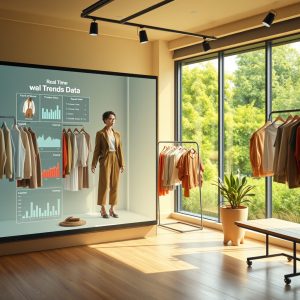
One of the biggest challenges of online shopping has always been the inability to try before you buy. Virtual fitting room tech is changing that by allowing consumers to visualize how a garment will look and fit before making a purchase. Using augmented reality (AR) and 3D modeling, these tools create a lifelike representation of how a piece will drape, move, and complement your existing wardrobe. This not only reduces the likelihood of returns but also enhances the overall shopping experience, making it more interactive and engaging.
For boutiques, this technology is a game-changer. It allows them to offer a seamless shopping experience that rivals the convenience of e-commerce giants while maintaining the personalized touch that sets them apart. By integrating virtual fitting rooms, boutiques can attract a wider audience, reduce their environmental footprint, and build stronger relationships with their customers.
The Rise of Community-Driven Style
Fashion has always been a form of self-expression, but in today’s digital age, it’s also a way to connect with others. Community-driven style is reshaping the industry by turning fashion into a collaborative experience. Social media platforms, online forums, and virtual styling communities allow consumers to share their outfits, seek advice, and discover new trends in real time. This collective approach to style not only fosters creativity but also democratizes fashion, making it more inclusive and accessible.
Brands are tapping into this trend by creating spaces where consumers can engage with each other and with the brand itself. For example, some boutiques host virtual styling sessions, where customers can receive personalized advice from stylists and connect with like-minded shoppers. Others use user-generated content to showcase how real people style their pieces, adding authenticity and relatability to their marketing efforts. This shift toward community-driven fashion is not just a passing trend—it’s a fundamental change in how we perceive and engage with style.
Predictive Trend Analysis: Staying Ahead of the Curve
In an industry as fast-paced as fashion, staying ahead of trends is crucial. Predictive trend analysis uses AI and machine learning to forecast emerging styles, colors, and silhouettes before they hit the mainstream. By analyzing data from social media, runway shows, and street style, these tools can identify patterns and predict what will be popular in the coming seasons. This allows brands to stay ahead of the curve, offering consumers fresh, innovative designs that feel both timely and timeless.
For consumers, predictive trend analysis means access to cutting-edge styles without the pressure to constantly chase the latest fads. Instead of being dictated by what’s “in,” they can curate a wardrobe that reflects their personal taste while still feeling current. This approach not only reduces waste but also encourages a more mindful approach to fashion, where quality and individuality take precedence over quantity.
As we move forward, the fusion of technology, sustainability, and personalization will continue to redefine the fashion industry. The future of wardrobe curation isn’t just about what you wear—it’s about how you wear it, why you wear it, and the story behind each piece. By embracing these innovations, consumers can build a wardrobe that is not only stylish but also meaningful, ethical, and uniquely their own. The journey toward authentic style is just beginning, and the possibilities are as limitless as the imagination.