The Future of Fashion: How Data and Personalization Are Redefining Style Discovery
In an era where technology and fashion intersect more seamlessly than ever, the way we discover, curate, and consume style is undergoing a radical transformation. Gone are the days of one-size-fits-all trends dictated by a handful of industry gatekeepers. Today, fashion is becoming a deeply personal, dynamic, and conscious experience—shaped by data, sustainability, and immersive storytelling. For the modern consumer, style is no longer just about what’s in vogue; it’s about what resonates with their individuality, values, and lifestyle.
The Rise of Personalized Style Mapping
Imagine a world where your wardrobe isn’t just a collection of clothes but a reflection of your personality, preferences, and even your mood. Personalized style mapping is making this a reality. By leveraging artificial intelligence and machine learning, platforms are now able to analyze your past purchases, browsing behavior, and even social media activity to create a unique style profile. This isn’t just about recommending similar items—it’s about understanding the nuances of your aesthetic, from color palettes to silhouettes, and suggesting pieces that align with your evolving taste.
Brands like Stitch Fix and Thread have pioneered this approach, using algorithms to deliver tailored fashion recommendations that feel almost handpicked by a personal stylist. The result? A shopping experience that is not only efficient but also deeply satisfying, as consumers discover pieces they truly love without the overwhelm of endless options.
Curated Sustainable Fashion: A New Standard
As awareness of fashion’s environmental impact grows, so does the demand for curated sustainable fashion. Consumers are no longer willing to compromise between style and ethics—they want both. This shift has given rise to platforms and boutiques that specialize in ethical fashion sourcing, offering carefully selected pieces that prioritize transparency, fair labor practices, and eco-friendly materials.
Brands like Reformation, Patagonia, and Eileen Fisher have set the benchmark for sustainable style, but the movement is expanding beyond individual labels. Marketplaces such as DoneGood and Rent the Runway are making it easier for consumers to access high-quality, sustainable fashion without sacrificing aesthetics. The key to their success? A focus on authentic wardrobe curation—helping shoppers build a closet that is as responsible as it is stylish.
The Role of Immersive Brand Storytelling
In a crowded marketplace, standing out requires more than just great products—it demands a compelling narrative. Immersive brand storytelling is becoming a powerful tool for fashion brands to connect with consumers on a deeper level. Whether through virtual reality experiences, interactive lookbooks, or behind-the-scenes content, brands are inviting customers into their world, fostering a sense of loyalty and emotional connection.
For example, Gucci’s virtual garden experience allowed users to explore a digital world inspired by the brand’s collections, blurring the lines between fashion and art. Similarly, Nike’s storytelling through its sustainability initiatives resonates with consumers who want to align with brands that share their values. This approach not only enhances the shopping experience but also transforms passive buyers into active participants in a brand’s journey.
Data-Driven Style Trends: Predicting What’s Next
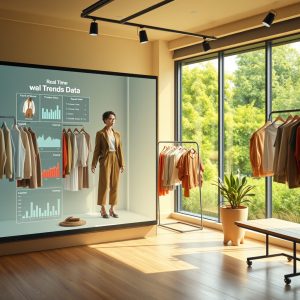
Trend forecasting has always been a cornerstone of the fashion industry, but today, it’s being revolutionized by data-driven insights. Predictive trend analysis tools are now capable of identifying emerging styles by analyzing everything from social media chatter to street style photography. This allows brands to stay ahead of the curve, producing pieces that align with what consumers will want before they even realize it themselves.
Platforms like EDITED and Heuritech use AI to track real-time trend tracking, helping retailers optimize their inventory and reduce waste. For consumers, this means access to exclusive fashion finds that feel fresh and relevant, rather than recycled ideas from seasons past. The result is a more dynamic and responsive fashion ecosystem, where trends are no longer dictated from the top down but emerge organically from the community.
Community-Driven Style: The Power of Shared Taste
Fashion has always been a social experience, but the rise of community-driven style is taking it to new heights. Platforms like Depop, Poshmark, and even Instagram have turned shopping into a collaborative process, where users share their outfits, discover new brands, and engage in conversations about style. This democratization of fashion means that trends are no longer controlled by a select few but are shaped by the collective tastes of millions.
Boutique discovery processes are also benefiting from this shift. Small, independent brands can now reach global audiences through social commerce, bypassing traditional retail gatekeepers. For consumers, this means access to unique, limited-edition pieces that reflect their individuality, rather than mass-produced items found in every mall.
The Seamless Shopping Experience: From Virtual Fitting Rooms to Modern Resale
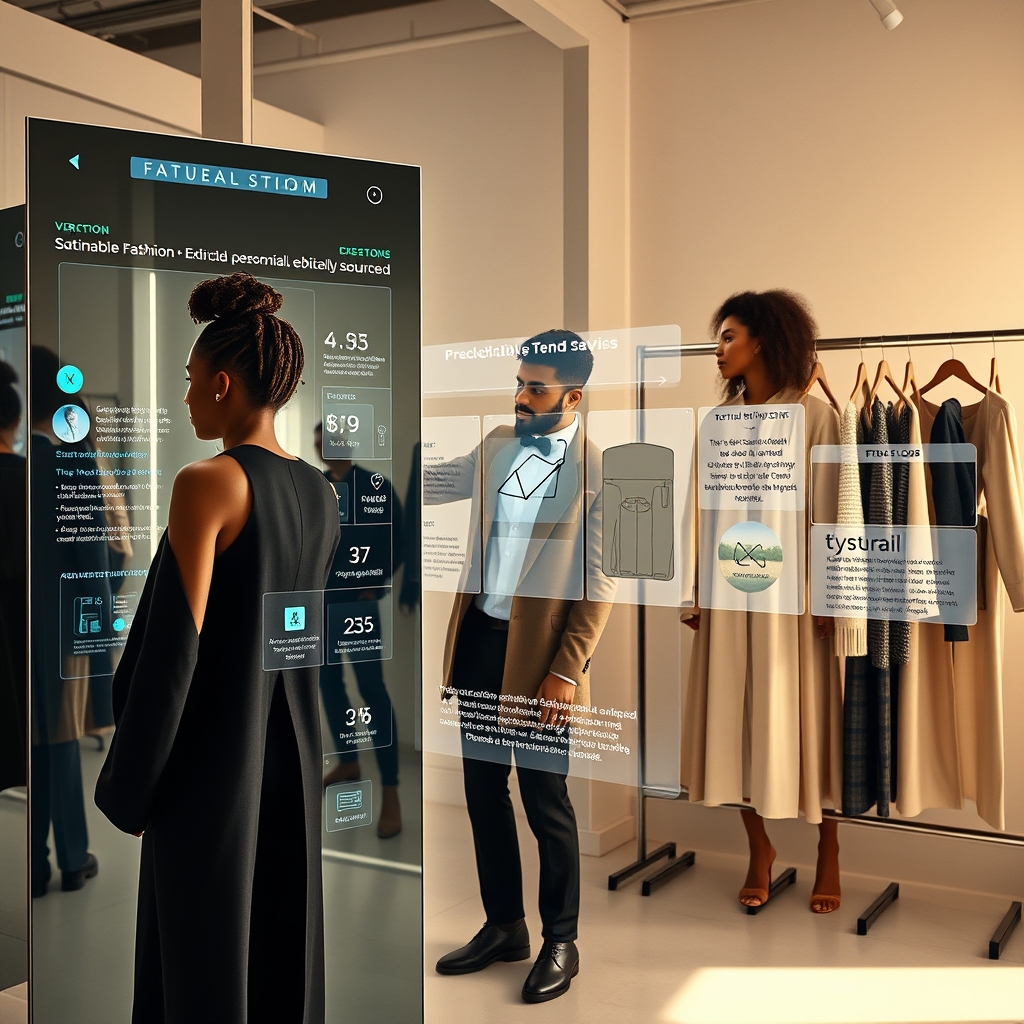
The future of fashion isn’t just about what you buy—it’s about how you buy it. Virtual fitting room tech is transforming the way consumers try on clothes, using augmented reality to simulate the in-store experience from the comfort of home. Brands like ASOS and Warby Parker have already integrated this technology, reducing return rates and increasing customer satisfaction.
Meanwhile, the resale market is experiencing a renaissance, with platforms like The RealReal and ThredUp making it easier than ever to buy and sell pre-loved fashion. This shift toward modern resale experiences isn’t just about affordability—it’s about sustainability. By extending the lifecycle of clothing, consumers are reducing waste and making more conscious choices about their wardrobes.
Boutique Retail Optimization: Small Brands, Big Impact
For boutique retailers, the challenge has always been standing out in a sea of big-name competitors. However, boutique retail optimization is leveling the playing field. By leveraging data analytics, personalized marketing, and immersive storytelling, small brands can create a shopping experience that feels intimate and exclusive. This isn’t just about selling products—it’s about building a community of loyal customers who feel personally connected to the brand.
Take, for example, the rise of direct-to-consumer brands like Glossier and Allbirds. These companies have thrived by focusing on authentic engagement, from user-generated content to transparent supply chains. For boutique retailers, the lesson is clear: success lies in creating a seamless, personalized experience that resonates with consumers on a deeper level.
The fashion industry is at a crossroads, where technology, sustainability, and personalization are converging to create a new paradigm. No longer a passive activity, shopping is becoming an interactive, conscious, and deeply personal journey. Whether through data-driven recommendations, immersive storytelling, or community-driven trends, the future of fashion is about empowering consumers to express their unique style while making choices that align with their values. As these innovations continue to evolve, one thing is certain: the way we discover and define style will never be the same.