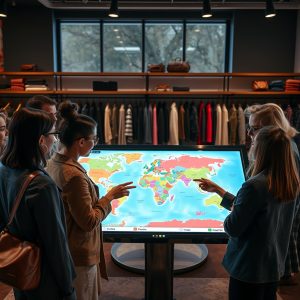
The Style Cartographer: Navigating the Future of Fashion Through Data and Discovery

In the ever-evolving landscape of fashion, staying ahead of the curve is not just an advantage; it’s a necessity. The fusion of data-driven insights and personalized discovery is revolutionizing the way we approach style, curation, and consumption. This article delves into the transformative power of data and discovery in shaping the future of fashion, offering a comprehensive look at how these elements are reshaping the industry.
Data-Driven Style Trends
The digital age has ushered in an era of data abundance, and fashion is no exception. With the advent of social media, e-commerce platforms, and wearables, vast amounts of data are generated every second. This data is a goldmine for fashion brands and consumers alike. By leveraging predictive analytics, brands can anticipate trends, tailor their offerings to consumer preferences, and create a seamless shopping experience. Consumers, on the other hand, can benefit from personalized recommendations, real-time trend tracking, and immersive brand storytelling.
Predictive Trend Analysis
Predictive trend analysis is a game-changer in the fashion industry. By analyzing historical data, social media trends, and consumer behavior, brands can forecast upcoming trends with a remarkable degree of accuracy. This not only helps brands stay relevant but also allows them to innovate and create unique, trendsetting collections. For instance, a brand might identify a rising interest in sustainable materials and incorporate this into their upcoming line, setting a new standard in the industry.
Real-Time Trend Tracking
Real-time trend tracking is another powerful tool in the fashion cartographer’s arsenal. By monitoring social media platforms, fashion weeks, and consumer searches, brands can stay attuned to the latest trends and adapt their offerings accordingly. This agility is crucial in an industry where trends can shift overnight. For example, a brand might notice a surge in interest in a particular color or pattern on Instagram and quickly incorporate it into their collections, ensuring they are always one step ahead of the competition.
Personalized Fashion Journeys
In the age of personalization, fashion is no longer a one-size-fits-all endeavor. With the help of data and discovery, consumers can embark on personalized fashion journeys that cater to their unique tastes and preferences. This personalized approach extends to everything from wardrobe curation to shopping experiences.
Personalized Style Mapping
Personalized style mapping involves creating a detailed profile of a consumer’s preferences, body type, and lifestyle. This information is then used to curate a wardrobe that not only looks good but also suits the individual’s needs. For instance, a consumer who prefers a minimalist aesthetic and values sustainability might be recommended a line of eco-friendly, simple designs. This level of personalization ensures that consumers not only feel good about their purchases but also about their impact on the environment.
Authentic Wardrobe Curation
Authentic wardrobe curation goes beyond just recommending items; it involves understanding the consumer’s lifestyle, aspirations, and even their emotional state. By curating a wardrobe that resonates with the individual on a personal level, brands can create a deeper connection and foster brand loyalty. For example, a consumer who is going through a career transition might be recommended a wardrobe that exudes confidence and professionalism, helping them navigate this significant life change with ease.
Conscious Consumer Shopping
In an era where sustainability and ethical consumption are paramount, conscious consumer shopping is becoming increasingly important. Data and discovery play a crucial role in this shift, enabling consumers to make informed choices and support brands that align with their values.
Ethical Fashion Sourcing
Ethical fashion sourcing involves ensuring that the materials used in clothing are sourced responsibly, and that the workers involved in the production process are treated fairly. By leveraging data, consumers can easily identify brands that adhere to these principles and avoid those that do not. For instance, a consumer might use a platform that provides detailed information about a brand’s supply chain, ensuring they are making a purchase that aligns with their ethical values.
Sustainable Style Evolution
Sustainable style evolution is a natural progression of the fashion industry’s shift towards more ethical practices. By using data to track trends and consumer preferences, brands can create collections that are not only stylish but also sustainable. For example, a brand might identify a growing interest in upcycling and create a line of clothing made from recycled materials, catering to the evolving tastes of conscious consumers.
In conclusion, the future of fashion is being shaped by the fusion of data and discovery. From predictive trend analysis to personalized style mapping, these elements are revolutionizing the way we approach fashion. As consumers, we have the power to shape this future by making informed choices, supporting ethical brands, and embracing sustainable practices. The style cartographer’s journey is far from over, and the best is yet to come.