The Evolution of Model Off-Duty Style: From Runway to Real Life
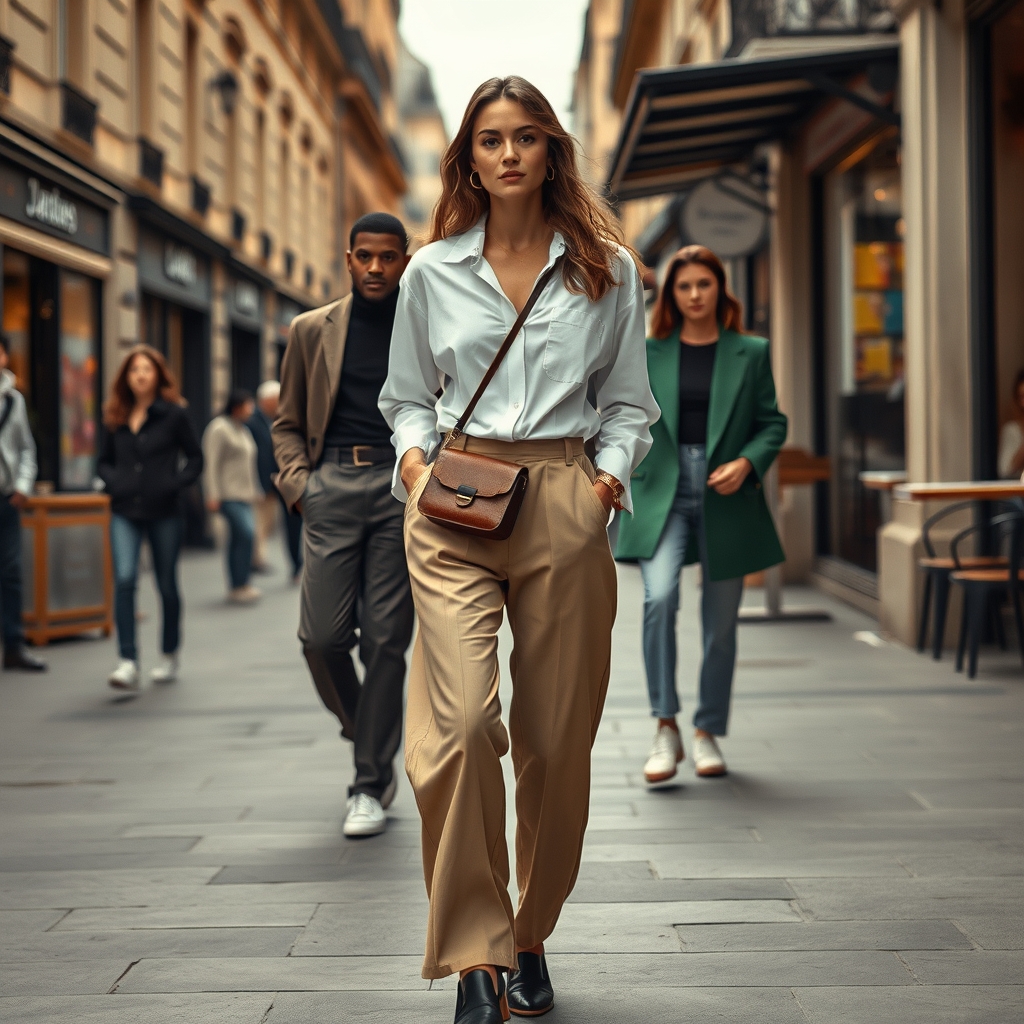
In the world of high fashion, the line between the runway and the street has never been more blurred. What was once reserved for the catwalk—bold silhouettes, avant-garde designs, and luxury fabrics—has seamlessly transitioned into the everyday wardrobes of models off-duty. This phenomenon, known as model off-duty style, has become a cultural touchstone, influencing how we perceive fashion, luxury, and personal expression. But how did this trend evolve, and what makes it so enduring?
The Origins of Off-Duty Model Style
The concept of model off-duty style didn’t emerge overnight. It traces its roots back to the 1990s, when supermodels like Kate Moss, Naomi Campbell, and Cindy Crawford became household names. These icons weren’t just faces of high fashion; they were style arbiters who effortlessly blended runway model outfits with casual, relatable looks. Their ability to transition from editorial fashion model glamour to jeans-and-a-tee simplicity captivated the public, making them the blueprint for modern model style.
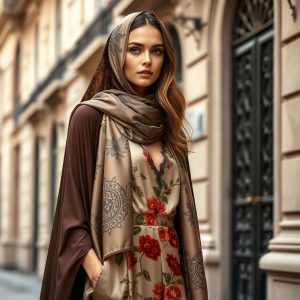
Paris, the epicenter of luxury fashion, played a pivotal role in shaping this aesthetic. Paris model fashion was synonymous with effortless chic, where models like Carla Bruni and Laetitia Casta redefined elegance by pairing designer pieces with vintage finds. This juxtaposition of high and low fashion created a new paradigm—one where luxury model wear could coexist with thrifted treasures, proving that style wasn’t just about price tags but about attitude.
The Rise of the Minimalist Model Outfit
As the 2000s rolled in, the fashion landscape shifted toward minimalism. Models like Gisele Bündchen and Natalia Vodianova championed a minimalist model outfit approach, favoring clean lines, neutral palettes, and understated elegance. This era saw the rise of the capsule wardrobe model, where a few high-quality, versatile pieces became the foundation of a model’s off-duty wardrobe. The focus was on timelessness over trends, a philosophy that resonated deeply with fashion enthusiasts worldwide.
This minimalist ethos wasn’t just about aesthetics; it was a rebellion against the excess of the 1980s and early 1990s. Models like Carolyn Murphy and Amber Valletta became known for their ability to make a simple white tee and tailored trousers look like a million dollars. Their influence extended beyond the runway, inspiring a generation to embrace simplicity as the ultimate form of sophistication.
The Influence of Street Style Photography
The explosion of street style photography in the late 2000s and early 2010s further cemented model off-duty style as a cultural force. Photographers like Scott Schuman of The Sartorialist and Tommy Ton of Jak & Jil captured models like Chanel Iman and Joan Smalls in their natural habitats—coffee shops, subway stations, and city streets. These candid shots revealed a different side of modeling: one that was raw, unfiltered, and deeply personal.
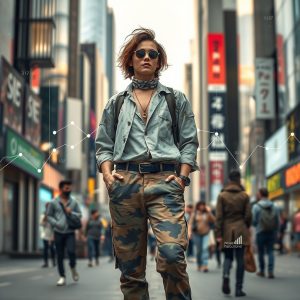
This era also saw the rise of supermodel street style as a genre of its own. Models like Kendall Jenner and Gigi Hadid became known for their ability to mix high-end designer pieces with accessible brands, creating looks that were aspirational yet attainable. Their off-duty style became a blueprint for fans, proving that fashion wasn’t just about what you wore but how you wore it.
The Modern Model Aesthetic: A Blend of Eras
Today, modern model style is a melting pot of influences. The vintage model fashion of the 1990s coexists with the minimalism of the 2000s and the maximalism of the 2020s. Models like Adut Akech and Bella Hadid effortlessly blend avant-garde model elements with casual model looks, creating a visual language that is uniquely their own. This eclectic approach reflects the broader fashion landscape, where nostalgia and innovation collide.
Social media has played a significant role in this evolution. Platforms like Instagram and TikTok have given models a direct line to their audiences, allowing them to curate their personal brands in real time. A model’s off-duty style is no longer just a reflection of their taste; it’s a carefully crafted narrative that aligns with their public persona. This shift has democratized fashion, making it more accessible and relatable than ever before.
The Future of Model Off-Duty Style
As fashion continues to evolve, so too will the concept of model off-duty style. The rise of sustainability and ethical fashion is already influencing how models approach their wardrobes. Brands like Stella McCartney and Reformation are leading the charge, proving that high-end model looks can be both luxurious and eco-conscious. Models like Arizona Muse and Adwoa Aboah are using their platforms to advocate for sustainable fashion, challenging the industry to rethink its relationship with consumption.
Another emerging trend is the blurring of gender lines in fashion. Models like Hari Nef and Indya Moore are redefining what it means to be a fashion icon, embracing androgyny and fluidity in their off-duty style. This shift reflects a broader cultural movement toward inclusivity and self-expression, where fashion is no longer confined by traditional norms.
The allure of model off-duty style lies in its ability to make high fashion feel human. It’s a reminder that behind the glamour and the runway lights, models are just like us—navigating life, experimenting with style, and expressing themselves through clothing. Whether it’s a luxury model wear piece paired with vintage jeans or a minimalist model outfit elevated with a bold accessory, the magic of off-duty style is in its imperfection. It’s not about perfection; it’s about personality, and that’s what makes it timeless. The streets will always be the ultimate runway, where fashion isn’t just seen but lived.