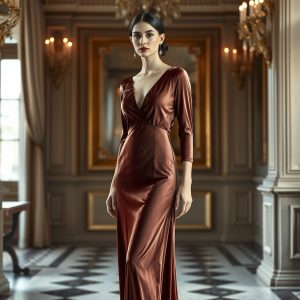
The Psychology of Perception: How Model Street Style Shapes High Fashion Trends
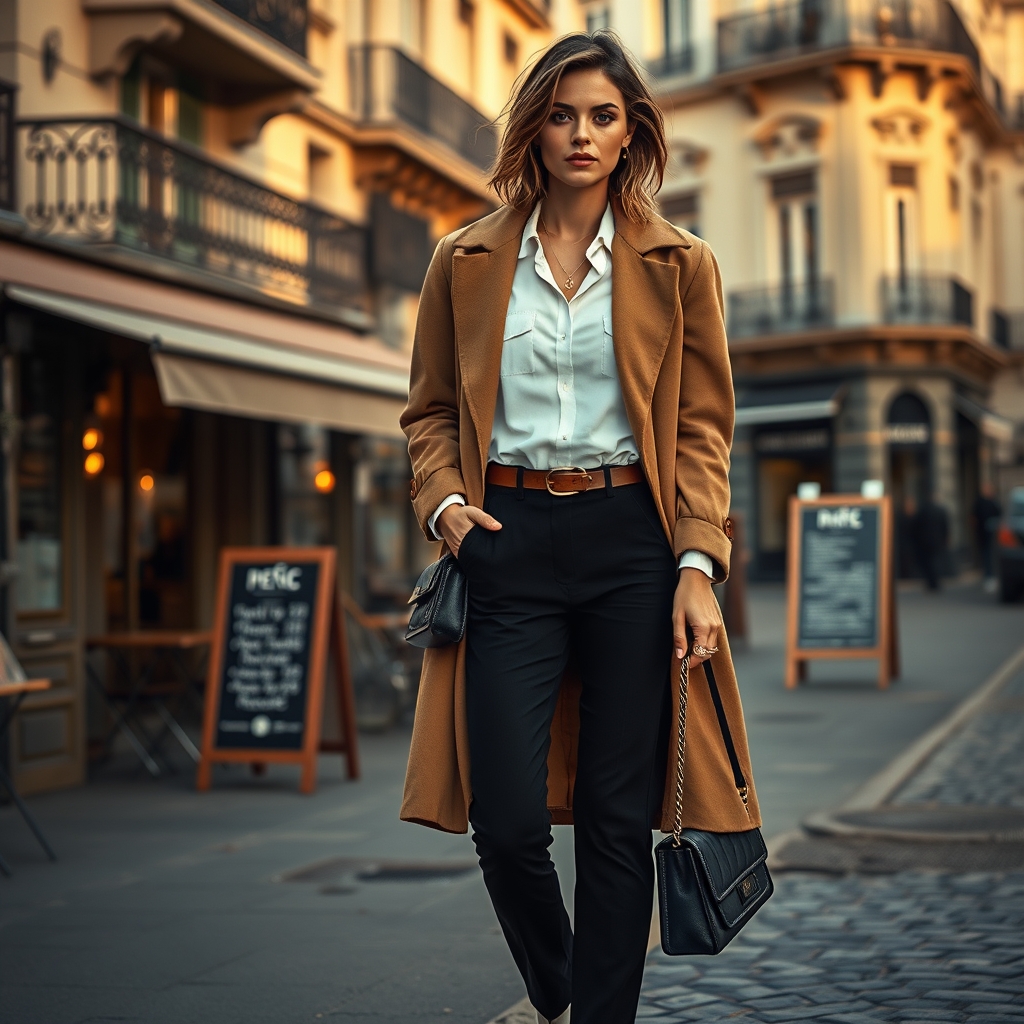
In the ever-evolving world of fashion, the line between runway spectacle and real-world relevance has never been more blurred. What was once confined to the glossy pages of editorial spreads or the dramatic stages of Paris Fashion Week now spills onto the sidewalks of SoHo, the cafés of Le Marais, and the streets of Tokyo. The phenomenon of model off-duty style has become a cultural force in its own right, shaping not just how we dress, but how we perceive fashion itself. It’s no longer enough for a garment to dazzle under the spotlight—it must also resonate in the raw, unfiltered light of everyday life.
The Runway as a Laboratory
High fashion has always been a playground for experimentation, where designers push boundaries to provoke thought, challenge norms, and redefine beauty. Yet, the most enduring trends often emerge not from the runway’s controlled environment, but from the unpredictable alchemy of street style. When a supermodel steps off the catwalk and into the city, their outfit becomes a living mood board, a visual manifesto of how avant-garde concepts can be distilled into wearable art. The oversized blazers, deconstructed tailoring, and bold color blocking that once seemed radical in a show suddenly feel accessible when paired with a vintage band tee and scuffed ankle boots.
This transformation is no accident. Models, particularly those represented by elite agencies, are trained to understand the psychology of perception. They know that fashion is as much about storytelling as it is about fabric. A runway look might be a statement, but an off-duty ensemble is a conversation. It invites the viewer to engage, to imagine themselves in the clothes, and to reinterpret the designer’s vision through their own lens. The result? Trends that trickle down not because they’re dictated by a fashion authority, but because they’ve been validated by the most influential tastemakers of all: the models themselves.
The Power of the Capsule Wardrobe
One of the most fascinating aspects of model street style is its ability to make even the most luxurious pieces feel effortless. This is where the concept of the capsule wardrobe comes into play. Models like Bella Hadid, Kaia Gerber, and Adut Akech have mastered the art of curating a wardrobe that is both minimalist and impactful. Their off-duty looks often revolve around a few key pieces—think a perfectly tailored coat, a crisp white shirt, or a pair of vintage Levi’s—elevated by one or two statement items, such as a bold accessory or an unexpected layering technique.
The psychology behind this approach is rooted in the idea of cognitive fluency. When an outfit is simple yet striking, it’s easier for the brain to process and remember. The fewer elements there are, the more each one stands out, creating a lasting impression. This is why a model’s off-duty look can often feel more memorable than their runway ensemble. The runway is a spectacle, but the street is a stage where every detail is scrutinized and celebrated. By distilling their style into a capsule wardrobe, models create a visual shorthand that resonates with audiences on a subconscious level.
The Role of Context in Model Aesthetics
Context is everything in fashion, and no one understands this better than models. A look that feels at home on the cobblestones of Paris might feel out of place in the neon-lit streets of Seoul, and models adapt accordingly. This is why model street style is so diverse—it’s a reflection of the environments in which it’s worn. In Paris, you might see a model effortlessly pairing a Chanel tweed jacket with ripped jeans and sneakers, while in Tokyo, the same jacket could be styled with a pleated skirt and platform loafers for a more avant-garde twist.
The ability to navigate these contextual shifts is what sets elite models apart. They understand that fashion is not just about the clothes, but about the story they tell. A vintage-inspired outfit might evoke nostalgia in one setting, while the same look could feel rebellious in another. This fluidity is what makes model street style so influential. It’s not about adhering to a single aesthetic, but about understanding how to make a look feel authentic in any environment.
The Influence of Editorial Fashion on Street Style
Editorial fashion has long been the bridge between high fashion and street style. The dramatic, often surreal images that grace the pages of magazines like Vogue or i-D are designed to inspire, but it’s the models who bring these concepts to life in the real world. When a model wears an editorial-inspired look on the street, they’re not just making a fashion statement—they’re democratizing high fashion. They’re showing that the bold, the bizarre, and the beautiful can coexist with the everyday.
This influence is particularly evident in the rise of avant-garde street style. What was once reserved for the pages of a magazine is now a common sight on the streets of fashion capitals. Models like Iris Law and Adwoa Aboah have become known for their fearless approach to styling, mixing high-end designer pieces with thrifted finds and DIY touches. This blend of high and low, of polished and raw, is what makes their looks so compelling. It’s a reminder that fashion is not about perfection, but about expression.
The Future of Model Off-Duty Style
As fashion continues to evolve, so too will the role of model off-duty style. With the rise of social media, models are no longer just faces in a magazine—they’re influencers in their own right. Platforms like Instagram and TikTok have given them a direct line to their audience, allowing them to shape trends in real time. This shift has led to a more democratic approach to fashion, where the lines between designer, model, and consumer are increasingly blurred.
Yet, even as the landscape changes, the core principles of model street style remain the same. It’s about authenticity, creativity, and the ability to make high fashion feel personal. Whether it’s a supermodel pairing a couture gown with sneakers or an editorial model layering vintage pieces in unexpected ways, the message is clear: fashion is not just about what you wear, but how you wear it. The most powerful looks are those that tell a story, and no one tells a story quite like a model off duty.
The streets have become the new runway, and the models are the ones leading the charge. Their ability to blend the extraordinary with the everyday is what makes their style so compelling. It’s a reminder that fashion is not just about the clothes we wear, but about the way we see the world—and the way we want to be seen.