The Runway’s Cultural Tapestry: How Fashion Weeks Weave Global Narratives into High Fashion
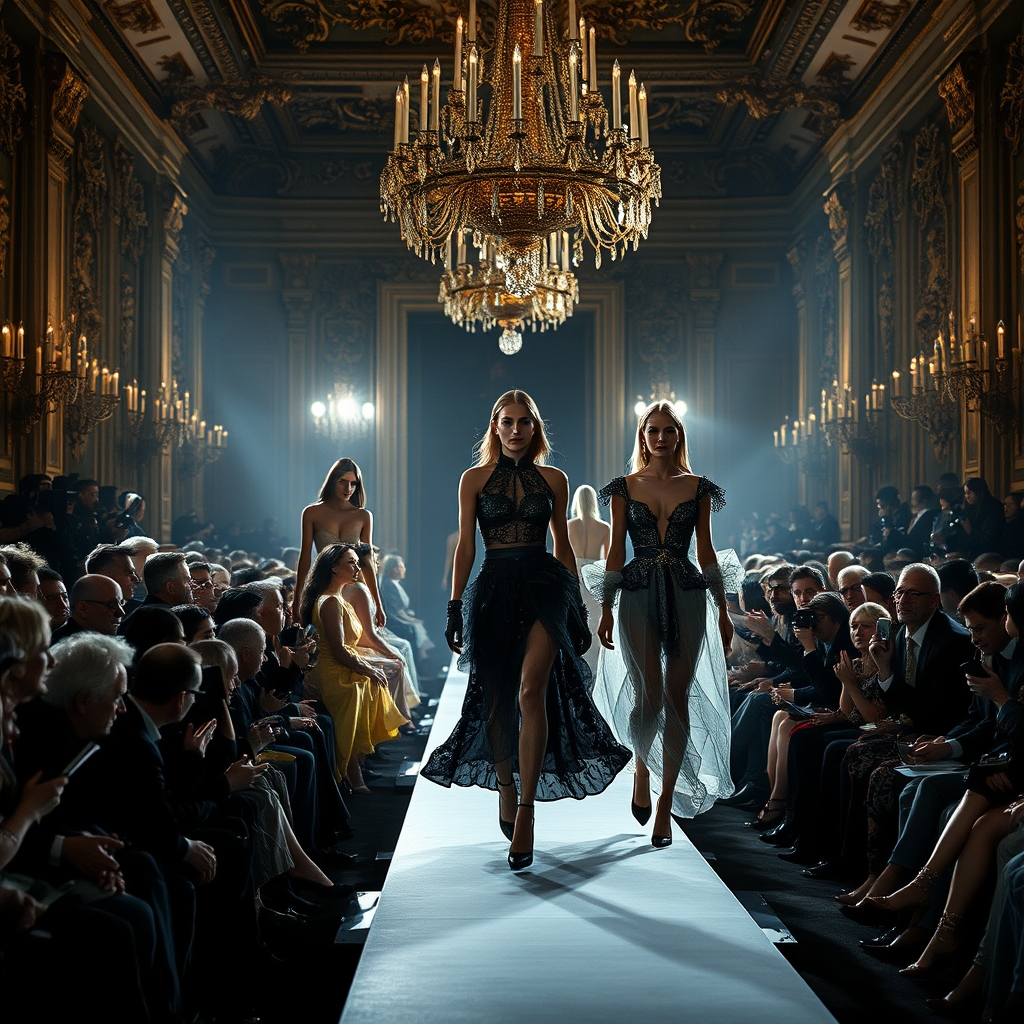
The world’s most prestigious fashion weeks—Paris, Milan, New York, and London—are no longer just showcases of seasonal trends. They have evolved into vibrant cultural tapestries, where designers stitch together history, identity, and innovation into every stitch of fabric. These events are not merely about clothing; they are narratives of society, politics, and art, unfolding on the runway with each model’s stride. The Autumn Winter and Spring Summer collections of today are as much about storytelling as they are about style, reflecting the zeitgeist of our times.
The Runway as a Canvas for Cultural Dialogue
Fashion weeks have long been platforms for designers to express their creative visions, but in recent years, they have become stages for broader cultural conversations. The Haute Couture Shows in Paris, for instance, are no longer confined to the rarefied world of luxury; they now engage with global issues, from sustainability to social justice. Designers like Maria Grazia Chiuri at Dior have used their collections to highlight feminist movements, while brands like Balenciaga have incorporated avant-garde aesthetics to critique consumerism and technology’s role in modern life.
The Ready To Wear Shows in Milan and New York have similarly embraced cultural narratives, blending traditional craftsmanship with contemporary themes. Italian designers, for example, often draw from their rich heritage, reinterpreting classic silhouettes with a modern twist. Meanwhile, New York Fashion Week has become a melting pot of diversity, with designers from marginalized communities using the runway to challenge stereotypes and redefine beauty standards. The result is a dynamic fusion of old and new, where the past and future coexist in a single collection.
The Rise of the Virtual Fashion Show
The pandemic accelerated a shift that was already underway: the rise of the Virtual Fashion Show. What began as a necessity has now become a permanent fixture in the fashion calendar, offering designers a new way to engage with audiences. Digital runways have democratized access to fashion, allowing viewers from around the world to experience the spectacle without the constraints of geography or exclusivity. Brands like Gucci and Prada have embraced this format, creating immersive digital experiences that blend fashion with technology, from augmented reality to interactive livestreams.
Yet, the virtual format is not without its challenges. The tactile, sensory experience of a physical show—the rustle of fabric, the hum of the crowd, the energy of the front row—is difficult to replicate digitally. Some designers have responded by creating hybrid shows, where physical presentations are enhanced with digital elements. For example, Balmain’s recent shows have featured holographic models and virtual backdrops, blurring the line between reality and fantasy. This fusion of physical and digital has opened up new possibilities for creativity, allowing designers to push the boundaries of what a fashion show can be.
The Backstage Alchemy: Where Magic Meets Precision
While the runway is the star of the show, the backstage is where the magic happens. The Fashion Show Backstage is a whirlwind of activity, where teams of stylists, makeup artists, and seamstresses work in harmony to bring a designer’s vision to life. Every detail, from the model’s runway walk to the final touch of lipstick, is meticulously planned and executed. The backstage is also where the unexpected happens—last-minute alterations, creative improvisations, and the occasional moment of chaos that adds to the show’s allure.
Photographers and journalists often capture these behind-the-scenes moments, offering a glimpse into the hard work and collaboration that goes into a fashion show. These images reveal the human side of the industry, where creativity is not just about aesthetics but also about problem-solving, teamwork, and resilience. The backstage is a reminder that fashion is not just an art form; it is a labor of love, where every stitch and seam tells a story.
The Front Row: A Microcosm of Influence and Power
The Front Row Fashion has always been a symbol of status and influence, a place where celebrities, editors, and industry insiders gather to see and be seen. But in recent years, the front row has become more than just a seating arrangement; it is a reflection of the changing dynamics of the fashion industry. Social media influencers, activists, and even politicians now share the front row with traditional fashion elites, signaling a shift in who holds power in the industry.
This democratization of the front row has also changed the way fashion is consumed. In the past, trends were dictated by a small group of editors and buyers. Today, the front row is a diverse mix of voices, each with the power to shape public opinion through social media. A single Instagram post from a celebrity or influencer can catapult a designer into the spotlight, proving that influence is no longer confined to the pages of a magazine. The front row is now a battleground of ideas, where the old guard and the new vanguard clash and collaborate in equal measure.
The Future of Fashion Weeks: Sustainability and Innovation
As fashion weeks continue to evolve, sustainability has emerged as a defining theme. The industry’s environmental impact is under scrutiny, and designers are responding with innovative solutions. The Sustainable Fashion Show is no longer a niche event but a mainstream expectation. Brands like Stella McCartney and Marine Serre are leading the charge, using recycled materials, upcycling techniques, and zero-waste production methods to create collections that are as eco-conscious as they are stylish.
Innovation is also reshaping the way fashion weeks are produced. From carbon-neutral shows to digital lookbooks, designers are finding new ways to reduce their environmental footprint. The Resort Collection Show, for example, has become a testing ground for sustainable practices, with brands experimenting with biodegradable fabrics and circular fashion models. These efforts are not just about reducing waste; they are about reimagining the entire lifecycle of a garment, from design to disposal.
The runway has always been a place of transformation, where the ordinary is elevated to the extraordinary. But today, it is also a place of reflection, where the fashion industry confronts its past and imagines a more sustainable future. The shows may still dazzle with their glamour and creativity, but beneath the surface, there is a growing awareness of the responsibility that comes with influence. Fashion weeks are no longer just about what we wear; they are about who we are and who we want to be. As the world changes, so too does the runway, weaving new narratives into the fabric of our collective identity.