The Runway’s Seasonal Symphony: How Fashion Week Collections Harmonize Tradition, Innovation, and the Pulse of the Times
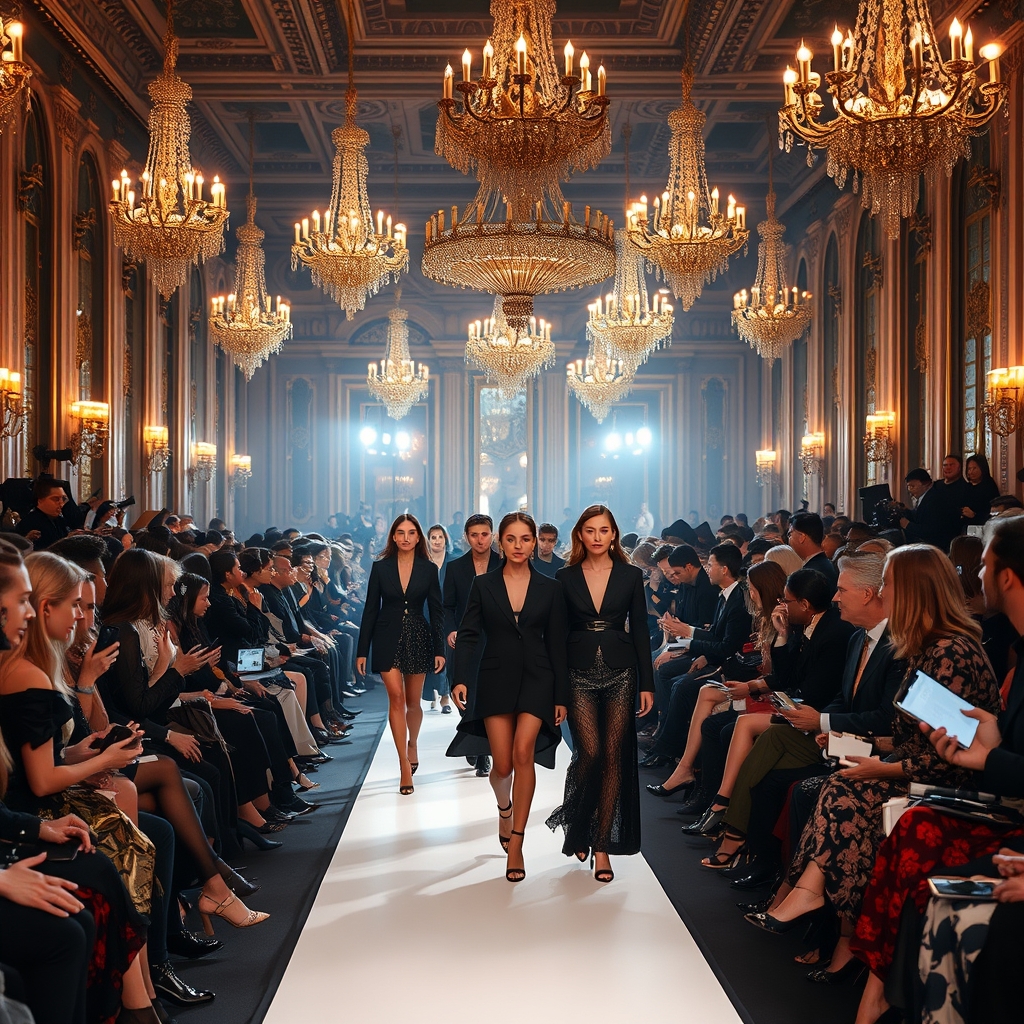
The world’s most anticipated fashion events—Paris, Milan, New York, and London Fashion Weeks—are not merely showcases of fabric and form. They are living, breathing symphonies where each collection performs a movement, telling stories of heritage, rebellion, and the zeitgeist of the moment. These runways are where the past and future collide, where a single silhouette can evoke nostalgia while simultaneously pushing boundaries. The Autumn Winter and Spring Summer collections, in particular, serve as the industry’s biannual heartbeat, dictating trends that ripple through wardrobes, streets, and even digital avatars.
The Alchemy of Seasonal Storytelling
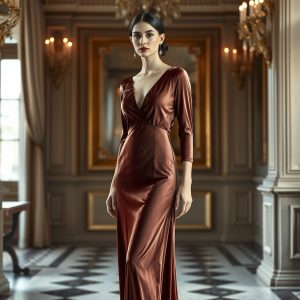
Every season, designers embark on a creative pilgrimage, translating abstract emotions, cultural shifts, and personal philosophies into tangible garments. The Autumn Winter Collection, for instance, often embraces the drama of layered textures—wool, leather, and velvet—mirroring the season’s inherent moodiness. Think of the opulent tailoring at Milan Fashion Week, where brands like Prada and Gucci weave narratives of power and vulnerability through structured blazers and flowing, asymmetrical gowns. Conversely, the Spring Summer Runway bursts with vitality, favoring lightweight fabrics, bold prints, and playful silhouettes that echo the season’s optimism. New York Fashion Week’s ready-to-wear shows, for example, frequently champion minimalism with a twist, proving that simplicity can be just as striking as extravagance.
Yet, these collections are not created in a vacuum. They are responses to the world around them—political climates, social movements, and even environmental crises. The rise of sustainable fashion shows at events like London Fashion Week underscores this shift, with designers like Stella McCartney and Marine Serre leading the charge. Their runways are less about fleeting trends and more about longevity, challenging the industry’s wasteful norms while still delivering breathtaking aesthetics.
The Runway as a Canvas for Avant-Garde Expression
For those who dare to defy convention, the runway becomes a playground for the avant-garde. Paris Fashion Week, the epicenter of haute couture, is where designers like Iris van Herpen and Rei Kawakubo of Comme des Garçons transform fabric into art. Their collections are less about wearability and more about provocation, using unconventional materials—3D-printed polymers, recycled plastics, or even LED lights—to create wearable sculptures. These shows are not just displays of fashion; they are immersive experiences that blur the lines between performance art and sartorial innovation.
The Resort Collection Show, often overlooked but equally significant, bridges the gap between seasons. Presented in exotic locales or during the quieter months, these collections offer a glimpse into a designer’s unfiltered creativity. Brands like Chanel and Dior use this platform to experiment with relaxed tailoring, vibrant hues, and global influences, catering to the jet-setting elite who crave effortless luxury year-round.
The Digital Runway: A New Frontier
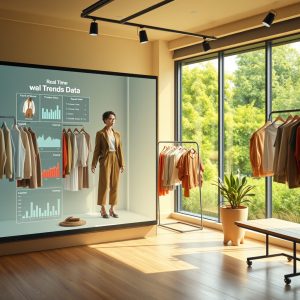
The pandemic may have accelerated the shift, but the virtual fashion show was an inevitability. What began as a necessity has evolved into a powerful tool for democratizing fashion. Platforms like Fal.ai and digital runways have allowed designers to reach global audiences without the constraints of physical space. Balmain’s 2020 show, for instance, was a fully digital spectacle, complete with CGI models and a soundtrack by will.i.am. The result? A mesmerizing fusion of technology and fashion that felt both futuristic and deeply human.
Yet, the digital realm is not without its challenges. The tactile allure of fabric, the electric energy of a live audience, and the spontaneity of backstage chaos are irreplaceable. Still, the rise of hybrid shows—where physical presentations are augmented by digital elements—suggests a future where the runway is no longer confined to a single location or format. Imagine a Haute Couture Show where the front row is both a physical space and a virtual gathering, with attendees from Tokyo to Buenos Aires experiencing the same spectacle in real time.
The Backstage Ballet: Where Magic is Made
Behind every flawless model runway walk lies a whirlwind of backstage orchestration. The fashion show backstage is a microcosm of controlled chaos—makeup artists blending pigments, stylists adjusting hems, and designers whispering last-minute instructions. It’s here that the raw energy of creativity collides with the precision of execution. Photographers like Mario Testino and Steven Meisel have immortalized these moments, capturing the vulnerability and determination of models moments before they step into the spotlight.
The backstage is also where the industry’s unsung heroes shine. Seamstresses wielding needles like magic wands, hair stylists sculpting looks with a single twist, and producers coordinating every detail with military precision. It’s a reminder that fashion is not just about the final product but the collaborative alchemy that brings it to life.
The Front Row: More Than Just a Seat
The front row at a fashion show is a theater of its own, where power, influence, and style converge. It’s where editors like Anna Wintour, celebrities like Zendaya, and industry titans like Bernard Arnault sit shoulder to shoulder, their presence as much a part of the spectacle as the clothes on the runway. But the front row is also a barometer of change. In recent years, it has become more diverse, reflecting the industry’s (albeit slow) embrace of inclusivity. Activists, digital influencers, and even climate scientists now share space with traditional tastemakers, signaling a shift in who holds the power to shape fashion’s narrative.
Yet, the front row’s allure extends beyond the physical. Social media has turned every attendee into a potential curator, with Instagram stories and TikTok videos amplifying the runway’s reach. A single post from a front-row influencer can catapult a collection into viral fame, proving that the runway’s influence now extends far beyond the confines of the venue.
The Future of Runway Fashion: A Tapestry of Possibilities
As fashion weeks continue to evolve, one thing is clear: the runway is no longer just a stage for clothes. It’s a platform for ideas, a mirror reflecting society’s triumphs and struggles, and a laboratory for innovation. The rise of sustainable fashion is not just a trend but a necessity, with brands like Gabriela Hearst and Collina Strada proving that eco-consciousness and luxury can coexist. Meanwhile, the integration of technology—from AI-generated designs to virtual try-ons—hints at a future where the runway is as much about digital artistry as it is about physical craftsmanship.
The luxury runway look of tomorrow may not even require a physical garment. Digital fashion houses like The Fabricant are already selling NFT-based clothing, allowing consumers to dress their avatars in one-of-a-kind designs. This shift raises provocative questions: Can a virtual dress hold the same allure as a hand-stitched gown? Will the runway’s future be defined by pixels as much as by fabric?
Fashion weeks have always been about more than just clothes—they are cultural barometers, economic indicators, and artistic statements rolled into one. Whether it’s the grandeur of a Haute Couture Show in Paris or the gritty energy of a Ready To Wear Show in New York, each event is a chapter in fashion’s ever-unfolding story. The runway’s magic lies in its ability to surprise, to challenge, and to inspire, reminding us that fashion is not just about what we wear but how we choose to express ourselves in an ever-changing world. The next time a model strides down the catwalk, remember: you’re not just witnessing a garment. You’re seeing a moment in time, a piece of art, and a glimpse into the future of style.