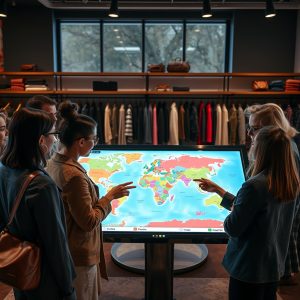
The Seamless Symphony: How Virtual Fitting Rooms and Community-Driven Style Are Harmonizing Fashion’s Future
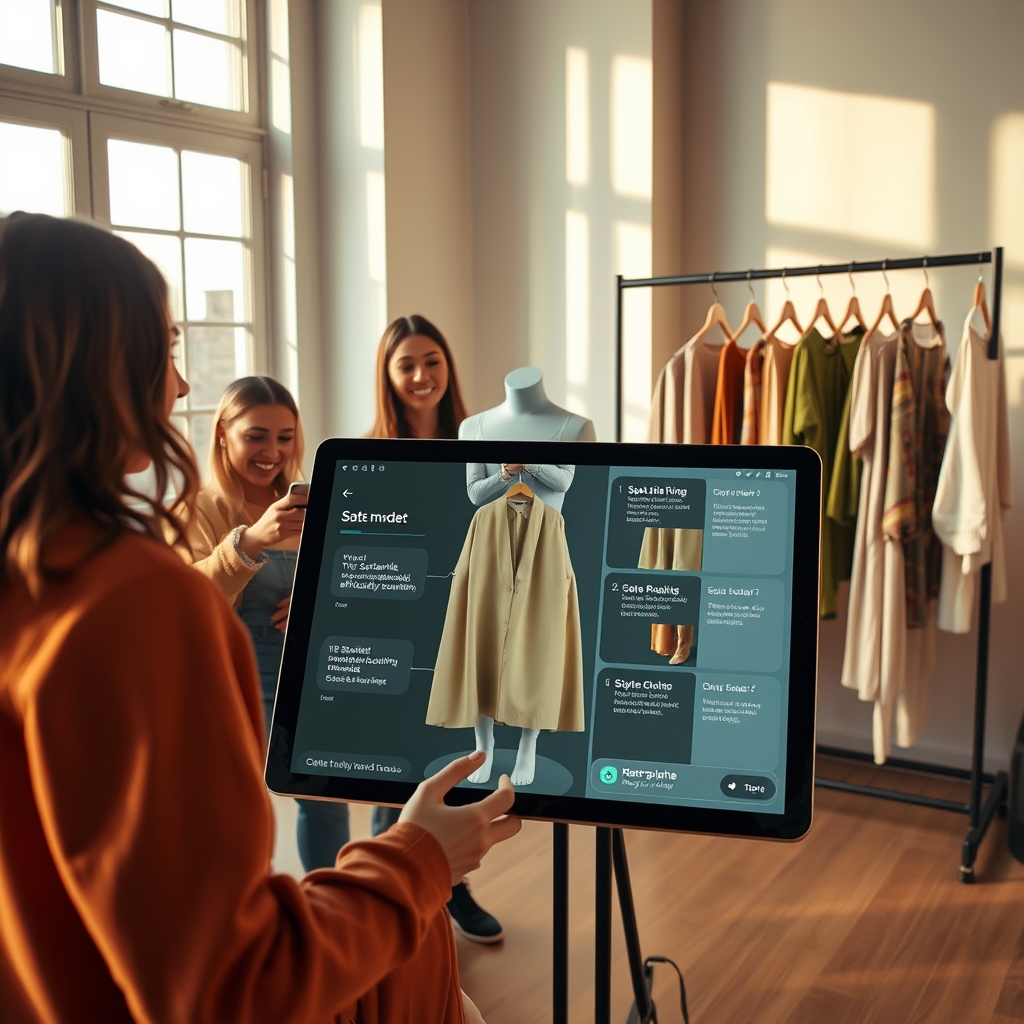
The fashion landscape is undergoing a quiet revolution, one where the boundaries between digital innovation and human connection blur into a seamless experience. At the heart of this transformation lies a powerful duo: virtual fitting room technology and community-driven style. Together, they are redefining how we discover, curate, and embrace fashion—not as passive consumers, but as active participants in a dynamic, personalized journey.
The Rise of the Virtual Fitting Room
Gone are the days of awkward dressing room mirrors and the frustration of ill-fitting garments. Virtual fitting rooms, powered by augmented reality (AR) and artificial intelligence (AI), are ushering in a new era of convenience and confidence. These digital tools allow shoppers to try on clothes, accessories, and even makeup in real-time, all from the comfort of their homes. The technology maps body measurements with precision, simulating how a garment will look and move, eliminating the guesswork that once plagued online shopping.
Brands like Gucci, Zara, and ASOS have already integrated virtual try-on features, but the real magic lies in how this technology is evolving. Advanced AI algorithms now consider fabric drape, lighting conditions, and even the user’s skin tone to deliver hyper-realistic simulations. The result? A shopping experience that feels as intuitive as it is immersive, reducing return rates and fostering a deeper connection between the consumer and the product.
Beyond the Screen: The Human Touch
While virtual fitting rooms excel in convenience, they are only one piece of the puzzle. The true power of modern fashion discovery lies in the fusion of technology with human-centric design. This is where community-driven style steps in, transforming fashion from a solitary pursuit into a shared experience. Platforms like Depop, Poshmark, and even Instagram have democratized fashion, allowing users to curate, share, and engage with trends in real-time. These communities thrive on authenticity, where personal style is celebrated, and recommendations come from real people—not just algorithms.
What makes community-driven style so compelling is its ability to bridge the gap between global trends and individual expression. Users no longer rely solely on fashion magazines or influencer endorsements; instead, they draw inspiration from peers who share their values, aesthetics, and body types. This shift has given rise to micro-trends that are more inclusive, sustainable, and reflective of diverse tastes. It’s fashion by the people, for the people.
The Sustainable Style Evolution
As consumers become more conscious of their environmental impact, the demand for sustainable fashion has surged. Virtual fitting rooms and community-driven platforms are playing a pivotal role in this evolution by reducing waste and promoting mindful consumption. By enabling shoppers to visualize how a piece will fit and look before purchasing, virtual try-ons minimize the likelihood of returns—a major contributor to fashion’s carbon footprint. Meanwhile, resale platforms and boutique discovery tools encourage the circulation of pre-loved garments, extending the lifecycle of clothing and reducing the need for fast fashion.
Ethical fashion sourcing is another critical component of this shift. Brands are increasingly transparent about their supply chains, and consumers are holding them accountable. Tools like Good On You and Fashion Revolution’s Transparency Index empower shoppers to make informed decisions, aligning their purchases with their values. When combined with virtual fitting rooms and community-driven insights, these resources create a holistic shopping experience that prioritizes both style and sustainability.
The Future of Fashion Discovery
The next frontier of fashion lies in predictive trend analysis and boutique retail optimization. AI-driven tools are now capable of analyzing vast amounts of data—from social media trends to runway shows—to forecast what styles will resonate with consumers months in advance. This predictive power allows boutiques and brands to curate collections that align with emerging tastes, reducing overproduction and waste. Meanwhile, boutique retail optimization ensures that small, independent brands can compete in a crowded market by leveraging data to refine their offerings and enhance the customer experience.
Imagine a world where your virtual fitting room not only shows you how a dress looks but also suggests complementary pieces from local boutiques, all while highlighting the ethical sourcing behind each item. This is the future of fashion: a seamless blend of technology, community, and sustainability, where every purchase tells a story and every trend is a reflection of collective values.
As we navigate this evolving landscape, one thing is clear: fashion is no longer just about what we wear. It’s about how we discover, how we connect, and how we make choices that resonate with our individuality and the world around us. The tools and communities shaping this future are not just redefining style—they are redefining what it means to be a conscious consumer in a digital age. The symphony of virtual innovation and human connection is playing, and the melody is one of possibility, authenticity, and endless discovery.