The Style Cartographer: Navigating Personalized Fashion Journeys Through Data and Discovery
Fashion has always been a map of self-expression, but today’s style explorers are no longer wandering blindly through endless racks or scrolling mindlessly through generic online stores. Instead, they’re embarking on personalized fashion journeys guided by a blend of data-driven style trends, boutique discovery processes, and conscious consumer shopping principles. This evolution isn’t just about finding the next big thing—it’s about crafting a wardrobe that feels authentically *yours*, while aligning with values that matter. The question is: how did we get here, and where are these journeys taking us?
The Rise of the Style Cartographer
Imagine a world where your wardrobe isn’t just a collection of clothes, but a carefully curated ecosystem that evolves with you. This is the promise of personalized style mapping, a process that merges predictive trend analysis with individual preferences to create a dynamic, living style profile. Unlike traditional fashion advice, which often relies on broad strokes and seasonal trends, personalized style mapping digs deeper. It considers your lifestyle, body type, color preferences, and even your emotional connection to clothing—turning data into a roadmap for your unique aesthetic.
At the heart of this shift is technology. AI-powered tools now analyze everything from your past purchases to your social media activity, identifying patterns that even the most self-aware shoppers might miss. For example, an algorithm might notice that you gravitate toward structured blazers in neutral tones but occasionally splurge on bold, patterned accessories. This insight isn’t just about predicting what you’ll buy next—it’s about understanding *why* you buy it, and how those choices reflect your identity. The result? Tailored fashion recommendations that feel less like suggestions and more like extensions of your personality.
The Boutique Revolution: Where Discovery Meets Authenticity
While algorithms play a crucial role, the magic of modern fashion discovery often happens in the unlikeliest of places: boutique retail optimization. Small, independent brands are leveraging immersive brand storytelling to create shopping experiences that feel intimate, intentional, and deeply personal. Unlike mass-market retailers, boutiques aren’t just selling products—they’re inviting customers into a narrative. Whether it’s the story behind a handwoven textile, the ethical sourcing of a rare fabric, or the artisan who crafted a one-of-a-kind piece, these details transform shopping from a transaction into an experience.
This shift is particularly powerful in the realm of sustainable fashion. Conscious consumers are no longer satisfied with vague promises of “eco-friendly” practices. They want transparency, traceability, and tangible proof that their purchases are making a difference. Boutiques are rising to the challenge by adopting ethical fashion sourcing practices, such as partnering with fair-trade cooperatives, using deadstock fabrics, or implementing circular fashion models. The result is a shopping experience that feels meaningful—not just for the consumer, but for the planet and the people behind the products.
The Power of Community-Driven Style
Fashion has always been a social phenomenon, but today’s community-driven style movements are taking it to new heights. Platforms like Depop, The RealReal, and even Instagram have democratized fashion, allowing individuals to share their unique styles, swap clothing, and discover emerging trends in real time. This peer-to-peer exchange isn’t just about affordability—it’s about authenticity. When you see someone with a similar body type or aesthetic rocking a piece you’ve been eyeing, it feels more relatable than a glossy magazine spread or a celebrity endorsement.
Brands are taking note, too. Many are now collaborating with micro-influencers and everyday style enthusiasts to co-create collections, host virtual styling sessions, or even crowdsource trend predictions. This community-driven approach not only fosters a sense of belonging but also ensures that trends are rooted in real-world relevance. After all, the best fashion isn’t dictated—it’s discovered, shared, and celebrated together.
The Future of Fitting: Virtual Tech Meets Real-World Style
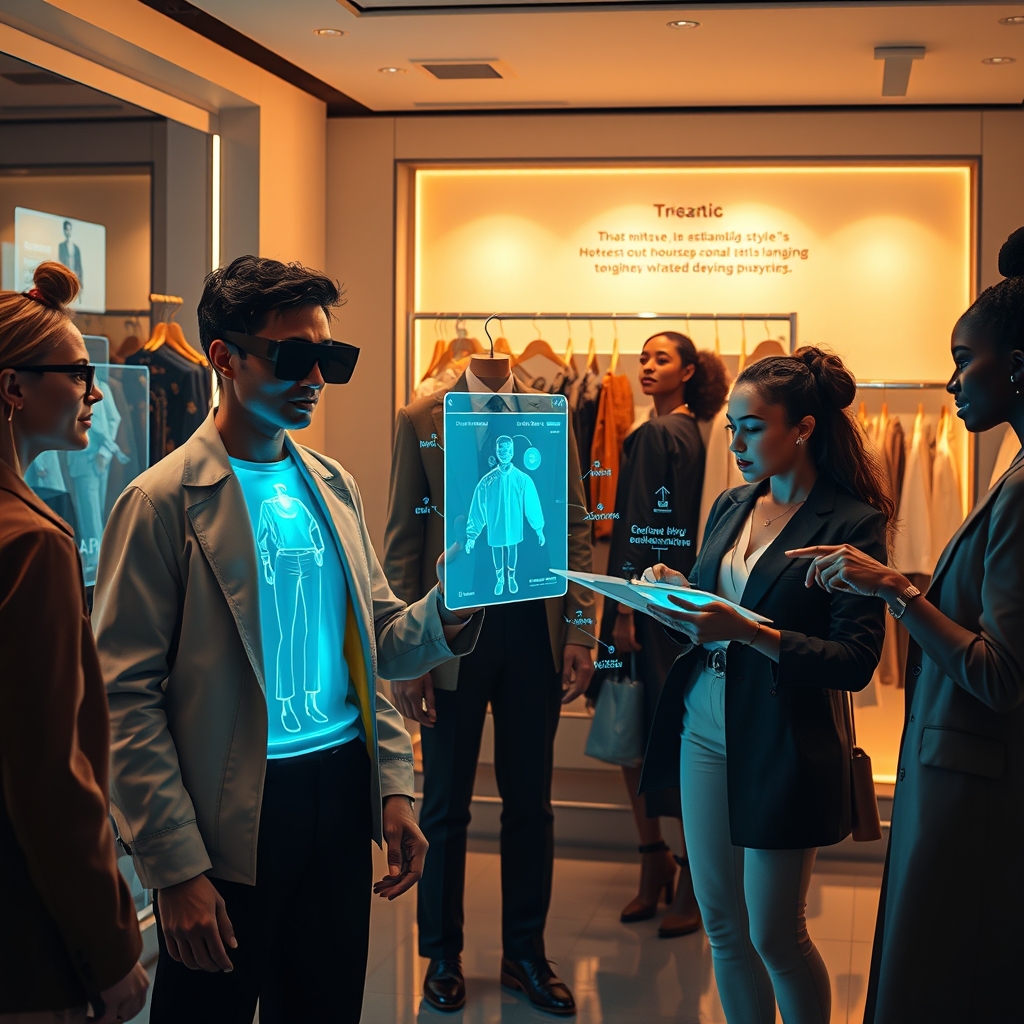
One of the biggest pain points in fashion has always been the fitting room. Ill-fitting clothes, long lines, and the frustration of not knowing how a piece will look until you try it on have plagued shoppers for decades. Enter virtual fitting room tech, a game-changer that’s bridging the gap between online and offline shopping. Using augmented reality (AR) and 3D body scanning, these tools allow customers to “try on” clothes virtually, seeing how they fit, move, and pair with other items in their wardrobe—all from the comfort of their homes.
But the potential of virtual fitting rooms goes beyond convenience. For brands, this technology offers invaluable data on sizing, fit preferences, and even how customers style their pieces. For consumers, it reduces the guesswork (and the dreaded returns process), making shopping more seamless and enjoyable. And for the planet, it means fewer wasted resources from unsold or returned inventory. It’s a win-win-win.
The Resale Renaissance: Where Sustainability Meets Style
No discussion of modern fashion would be complete without addressing the modern resale experience. Once seen as a niche market for thrifters and vintage lovers, resale has gone mainstream—and for good reason. With growing awareness of fashion’s environmental impact, consumers are increasingly turning to secondhand shopping as a way to refresh their wardrobes without contributing to waste. Platforms like ThredUp, Poshmark, and Vestiaire Collective have made it easier than ever to buy, sell, and trade pre-loved pieces, turning resale into a thriving economy of its own.
But resale isn’t just about sustainability—it’s also about exclusive fashion finds. Vintage designer bags, rare sneakers, and one-of-a-kind statement pieces are no longer hidden in dusty thrift stores. They’re being discovered, authenticated, and celebrated in curated online marketplaces. This shift has also given rise to a new kind of fashion connoisseur: the style archaeologist, someone who digs through the past to uncover treasures that tell a story. In a world of fast fashion and disposable trends, resale offers something rare and precious—timelessness.
As fashion continues to evolve, one thing is clear: the future belongs to those who embrace personalized, sustainable, and community-driven approaches to style. Whether it’s through AI-powered recommendations, boutique discoveries, or virtual fitting rooms, the tools are here to help us craft wardrobes that are as unique as we are. The journey is no longer about following trends—it’s about defining them, one thoughtful choice at a time. And perhaps that’s the most exciting trend of all.