The Style Alchemist: How Immersive Storytelling and Predictive Analytics Are Crafting Exclusive Fashion Finds
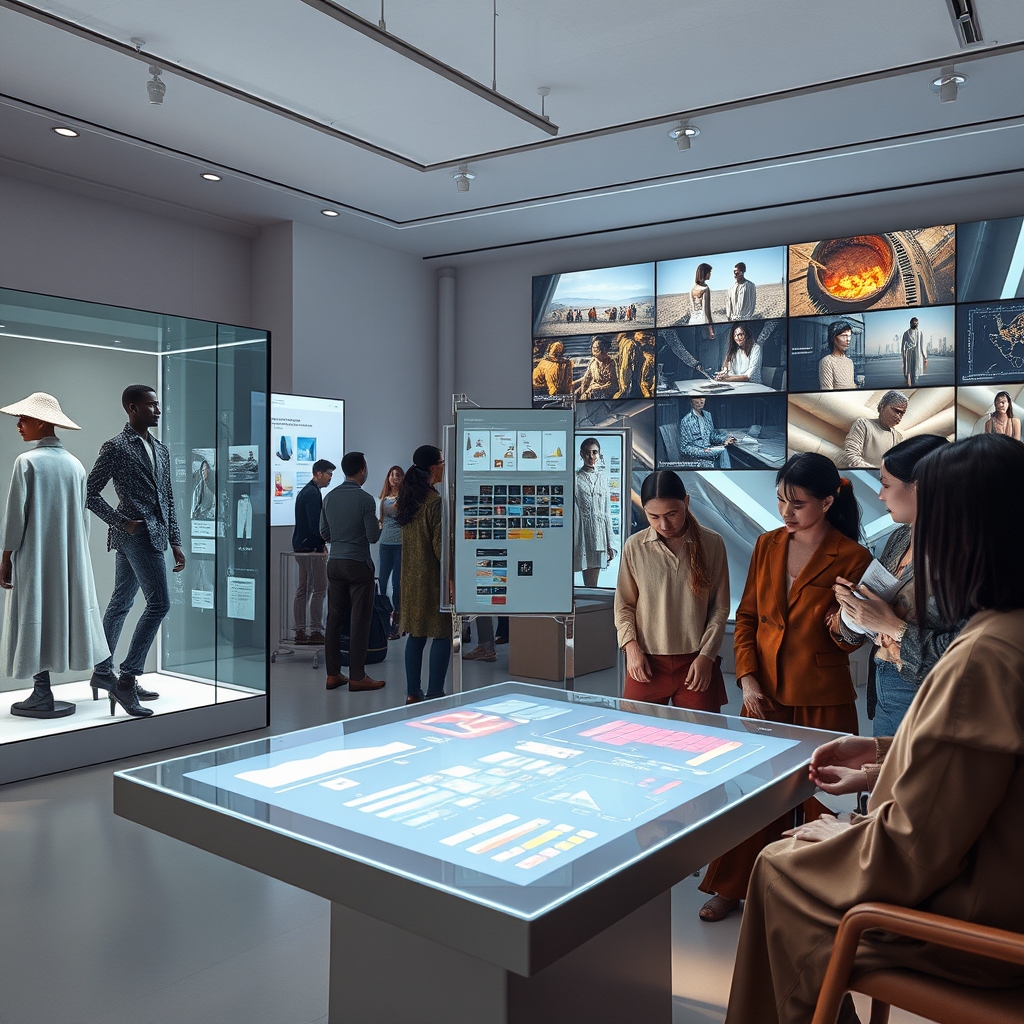
Fashion is no longer just about what you wear—it’s about the story behind it, the journey it takes you on, and the data that whispers what you’ll love next. In an era where consumers crave authenticity and personalization, the intersection of immersive brand storytelling and predictive trend analysis is transforming how we discover, curate, and connect with fashion. This isn’t just evolution; it’s a revolution in how style is conceived, consumed, and cherished.
The Power of Immersive Brand Storytelling
Gone are the days when fashion brands relied solely on glossy magazine spreads or static e-commerce pages to sell their vision. Today, immersive storytelling is the heartbeat of modern fashion discovery. Brands are leveraging augmented reality (AR), virtual reality (VR), and interactive digital experiences to create narratives that transport consumers into their world. Imagine stepping into a virtual atelier where the craftsmanship behind a hand-stitched leather bag is revealed stitch by stitch, or walking through a digital forest that inspired a sustainable collection’s color palette. These experiences don’t just sell products—they forge emotional connections.
Take, for example, the rise of virtual fashion shows. During the pandemic, brands like Balenciaga and Gucci turned to digital runways, using video game engines to create surreal, otherworldly presentations. These weren’t just alternatives to physical shows; they were entirely new forms of storytelling that engaged audiences in ways traditional fashion weeks never could. The result? A deeper appreciation for the artistry behind the designs and a stronger desire to be part of the brand’s narrative.
Predictive Analytics: The Crystal Ball of Fashion
While storytelling captures the heart, predictive analytics is the brain behind the operation. By analyzing vast amounts of data—from social media trends and search engine queries to purchase histories and even weather patterns—brands and retailers can anticipate what consumers will want before they even know it themselves. This isn’t just about pushing products; it’s about creating a seamless, almost intuitive shopping experience that feels tailor-made for each individual.
Platforms like Stitch Fix and Thread have pioneered this approach, using algorithms to curate personalized style boxes based on a user’s preferences, body type, and lifestyle. But the real magic happens when predictive analytics meets boutique discovery. Small, independent brands are now able to compete with retail giants by leveraging data to identify niche trends and cater to underserved audiences. For instance, a boutique specializing in vintage-inspired sustainable fashion can use predictive tools to identify a growing demand for 1990s minimalism and adjust its inventory accordingly, ensuring it stays ahead of the curve.
The Rise of Exclusive Fashion Finds
In a world where fast fashion dominates, consumers are increasingly seeking out pieces that feel unique, meaningful, and exclusive. This shift has given rise to a new kind of fashion discovery—one that prioritizes rarity and authenticity. Curated marketplaces like The RealReal, Vestiaire Collective, and Farfetch’s Second Life are leading the charge, offering access to pre-loved luxury items that tell a story. But exclusivity isn’t just about secondhand treasures; it’s also about limited-edition collaborations, made-to-order pieces, and hyper-local designers who create in small batches.
Predictive analytics plays a crucial role here, too. By identifying emerging designers or micro-trends before they hit the mainstream, platforms can surface exclusive finds that align with a consumer’s personal style. This not only satisfies the desire for uniqueness but also fosters a sense of discovery—like uncovering a hidden gem in a sea of mass-produced garments.
Sustainable Style Evolution: A Data-Driven Approach
Sustainability is no longer a buzzword; it’s a non-negotiable aspect of modern fashion. But as consumers become more conscious of their environmental impact, they’re also demanding transparency and accountability. This is where data-driven insights come into play. Brands are using analytics to track the lifecycle of their products, from sourcing materials to manufacturing and distribution, ensuring every step aligns with ethical and sustainable practices.
For example, Patagonia’s Worn Wear program uses data to encourage customers to buy used gear, repair what they own, and recycle what they no longer need. By analyzing purchase patterns and product lifespans, the brand can optimize its supply chain to reduce waste and promote circular fashion. Similarly, platforms like Good On You provide sustainability ratings for brands, helping consumers make informed choices based on data rather than greenwashing claims.
Community-Driven Style: The Future of Fashion Discovery
Fashion has always been a communal experience, but today’s digital landscape has amplified its social dimension. Community-driven style platforms like Depop, Poshmark, and even Instagram have democratized fashion discovery, allowing users to share their personal style, swap tips, and influence trends in real time. These platforms thrive on user-generated content, where authenticity and relatability often outweigh polished marketing campaigns.
Predictive analytics enhances this dynamic by identifying micro-trends within communities. For instance, if a particular aesthetic gains traction among Gen Z users on Depop, brands can quickly adapt their offerings to cater to this demand. This creates a feedback loop where consumers feel heard and brands stay relevant, all while fostering a sense of belonging and shared identity.
The Seamless Shopping Experience: Where Tech Meets Humanity
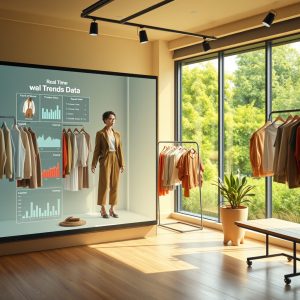
The future of fashion isn’t just about technology—it’s about how technology can enhance the human experience. Virtual fitting rooms, AI-powered stylists, and AR try-ons are making shopping more convenient and personalized, but they’re also bridging the gap between the digital and physical worlds. Imagine walking into a store where a smart mirror recognizes your past purchases and suggests new outfits based on your style preferences, or receiving a notification on your phone about a limited-edition drop from a brand you’ve been eyeing.
This seamless integration of tech and humanity is what makes modern fashion discovery so exciting. It’s not about replacing the tactile joy of shopping or the thrill of finding that perfect piece; it’s about enhancing those experiences with data, storytelling, and community. The result is a fashion ecosystem that feels intuitive, inclusive, and infinitely inspiring.
As we look ahead, the fusion of immersive storytelling, predictive analytics, and sustainable practices will continue to redefine how we engage with fashion. It’s a world where every purchase tells a story, every trend is a conversation, and every wardrobe is a reflection of who we are—and who we aspire to be. The future of fashion isn’t just about what we wear; it’s about how we experience it, how we connect through it, and how we let it evolve with us.