From Algorithms to Ateliers: How Predictive Trend Analysis and Ethical Sourcing Are Redefining Boutique Fashion

The fashion industry is undergoing a quiet revolution, one where data-driven insights and ethical imperatives are no longer mutually exclusive. At the intersection of predictive trend analysis and boutique retail optimization, a new paradigm is emerging—one that prioritizes both personalization and sustainability without compromising on exclusivity or creativity. This shift is not just about what we wear, but how we discover, engage with, and invest in fashion.
The Rise of Predictive Trend Analysis in Fashion
Gone are the days when trend forecasting relied solely on the intuition of a handful of industry insiders. Today, predictive trend analysis leverages vast datasets—from social media engagement and search queries to global supply chain movements and even weather patterns—to anticipate what consumers will desire months, or even years, ahead. For boutique retailers, this means the ability to curate collections with unprecedented precision, reducing overproduction and waste while aligning with the exact preferences of their clientele.
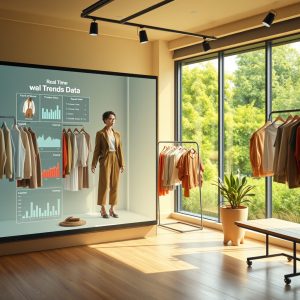
Platforms like Edited and Trendalytics are at the forefront of this movement, offering real-time trend tracking that allows brands to pivot quickly in response to emerging styles. The result? A more dynamic, responsive fashion ecosystem where trends are not just predicted but actively shaped by consumer behavior. For the modern shopper, this translates to a seamless shopping experience where the pieces they love are available exactly when they want them—no more chasing sold-out items or settling for mass-produced alternatives.
How Boutiques Are Leveraging Data for Optimization
Boutique retailers, often constrained by smaller inventories and niche audiences, stand to gain the most from predictive analytics. By analyzing customer purchase histories, browsing behaviors, and even virtual fitting room interactions, boutiques can tailor their offerings to reflect the unique tastes of their community. This level of personalization fosters deeper brand loyalty, as customers feel seen and understood in ways that mass retailers simply cannot replicate.
Take, for example, the rise of community-driven style platforms like Depop and The RealReal, where user-generated content and peer recommendations drive discovery. Boutiques are tapping into this trend by integrating similar features into their own digital storefronts, creating spaces where shoppers can engage with curated sustainable fashion in a way that feels organic and authentic. The boutique discovery process is no longer a one-way street; it’s a dialogue between brand and consumer, powered by data.
The Ethical Imperative: Sustainable Sourcing Meets Exclusive Finds
While data drives personalization, ethics are shaping the future of fashion sourcing. Conscious consumer shopping is no longer a niche concern—it’s a baseline expectation. Today’s shoppers demand transparency, from the origins of raw materials to the working conditions of the artisans crafting their garments. Boutiques, with their emphasis on storytelling and craftsmanship, are uniquely positioned to meet this demand.
Ethical fashion sourcing is not just about avoiding fast fashion’s pitfalls; it’s about celebrating the artistry and heritage behind each piece. Brands like Reformation and Stella McCartney have set the standard for sustainable luxury, proving that eco-consciousness and exclusivity can coexist. Boutiques are following suit, partnering with local artisans, upcycling vintage textiles, and prioritizing deadstock fabrics to create one-of-a-kind pieces that resonate with values-driven consumers.
The Role of Immersive Storytelling in Ethical Fashion
Authentic wardrobe curation goes beyond the product itself—it’s about the story behind it. Immersive brand storytelling allows boutiques to connect with customers on an emotional level, transforming a simple purchase into a meaningful experience. Whether through behind-the-scenes videos of artisans at work, interactive lookbooks that highlight the journey of a garment, or augmented reality features that let shoppers virtually “meet” the makers, storytelling adds depth to the shopping experience.
This approach not only differentiates boutiques from their mass-market counterparts but also reinforces the value of ethical sourcing. When customers understand the care, craftsmanship, and conscious choices behind their clothing, they’re more likely to invest in pieces that align with their values—and keep them in their wardrobes for years to come.
The Future of Fashion Discovery: Where Tech Meets Human Touch
The next frontier in fashion discovery lies in the fusion of technology and human intuition. Virtual fitting room tech, for instance, is evolving beyond simple size recommendations. Advanced AI now analyzes body measurements, fabric drape, and even personal style preferences to suggest outfits that flatter and fit perfectly. Meanwhile, personalized fashion journeys—guided by algorithms but refined by human stylists—are making high-end curation accessible to a broader audience.
Yet, for all its advancements, technology cannot replace the human element that defines boutique retail. The most successful brands will be those that use data to enhance, rather than replace, the personal connections that make fashion meaningful. Whether it’s a handwritten note from the boutique owner tucked into a package or a stylist’s thoughtful recommendation based on years of knowing a client’s taste, these touches remind us that fashion is, at its core, a deeply personal form of self-expression.
As the industry continues to evolve, one thing is clear: the future of fashion belongs to those who can balance innovation with integrity. Boutiques that embrace predictive trend analysis while staying true to ethical sourcing and immersive storytelling will not only survive but thrive in this new era. For consumers, this means a shopping experience that is as unique as they are—one where every purchase tells a story, every trend feels intentional, and every piece in their wardrobe reflects who they are and what they stand for. The journey from algorithm to atelier is just beginning, and the possibilities are as limitless as the styles they inspire.