The Future of Fashion: How Data and Personalization Are Redefining Style Discovery
In an era where technology and creativity intersect more than ever, the fashion industry is undergoing a transformative shift. Gone are the days when style was dictated solely by runway shows or seasonal catalogs. Today, fashion is a dynamic, personalized journey shaped by data-driven insights, sustainable practices, and immersive experiences. This evolution is not just changing how we shop—it’s redefining how we express ourselves through what we wear.
The Rise of Personalized Style Mapping
Imagine a world where your wardrobe is as unique as your fingerprint. Personalized style mapping is making this a reality by leveraging algorithms and machine learning to analyze your preferences, body type, and lifestyle. These systems go beyond generic recommendations, curating pieces that align with your aesthetic while introducing you to trends you might not have discovered on your own. Brands like Stitch Fix and Thread have pioneered this approach, using data to create a seamless bridge between individual taste and fashion innovation.
The magic lies in the details. By tracking your interactions—what you save, what you skip, and even how long you linger on an item—these platforms refine their suggestions over time. The result? A wardrobe that feels authentically *you*, without the hours spent scrolling through endless options. It’s fashion tailored to your rhythm, not the other way around.
Curated Sustainable Fashion: A New Standard
Sustainability is no longer a niche concern; it’s a movement reshaping the entire fashion ecosystem. Conscious consumer shopping has given rise to curated sustainable fashion, where every piece is selected with ethical sourcing, environmental impact, and longevity in mind. Platforms like Reformation and Patagonia have set the bar high, proving that style and sustainability can coexist without compromise.
But how do you navigate this growing landscape without feeling overwhelmed? The answer lies in boutique discovery processes that prioritize transparency. Brands are now sharing the stories behind their materials—from organic cotton farms to recycled polyester—allowing shoppers to make informed choices. This shift isn’t just about reducing waste; it’s about fostering a deeper connection between the wearer and the garment. When you know the journey of your clothes, from seed to stitch, fashion becomes more meaningful.
Ethical Fashion Sourcing: Beyond the Buzzword
Ethical fashion sourcing is more than a trend—it’s a commitment to fairness and responsibility at every stage of production. This means ensuring safe working conditions, fair wages, and environmentally friendly practices. Brands like Eileen Fisher and People Tree are leading the charge, proving that ethical sourcing can be both scalable and stylish. By partnering with artisans and small-scale producers, they’re not only preserving traditional craftsmanship but also creating pieces with soul.
The ripple effect of ethical sourcing extends beyond the supply chain. It empowers consumers to vote with their wallets, supporting brands that align with their values. In a world where fast fashion has long dominated, this shift toward mindful consumption is a breath of fresh air. It’s a reminder that fashion can be a force for good, one stitch at a time.
Immersive Brand Storytelling: The Power of Connection
In a crowded marketplace, storytelling is the secret weapon that sets brands apart. Immersive brand storytelling goes beyond product descriptions, inviting consumers into a narrative that resonates on an emotional level. Whether it’s a behind-the-scenes look at a designer’s creative process or a virtual tour of a sustainable factory, these experiences create a sense of intimacy and trust.
Take, for example, the rise of virtual fitting room tech. Brands like Gucci and ASOS are using augmented reality to let shoppers “try on” clothes from the comfort of their homes. But it’s not just about convenience—it’s about creating a memorable experience. When you can see how a dress moves with you or how a jacket fits your frame, the shopping process becomes more engaging and personal. This blend of technology and storytelling is redefining the way we interact with fashion, making it more interactive and inclusive.
Community-Driven Style: Fashion for the People, by the People
Fashion has always been a form of self-expression, but today, it’s also a conversation. Community-driven style platforms like Depop and Poshmark are turning shopping into a social experience, where trends emerge from the ground up. These spaces allow users to buy, sell, and share their unique styles, creating a dynamic ecosystem where everyone has a voice.
The beauty of community-driven fashion lies in its authenticity. Trends no longer trickle down from high fashion; they bubble up from real people living real lives. This democratization of style is empowering, giving individuals the tools to shape the industry rather than just consume it. It’s fashion as a collective experience, where discovery is as much about connection as it is about clothing.
The Seamless Shopping Experience: Where Convenience Meets Curation
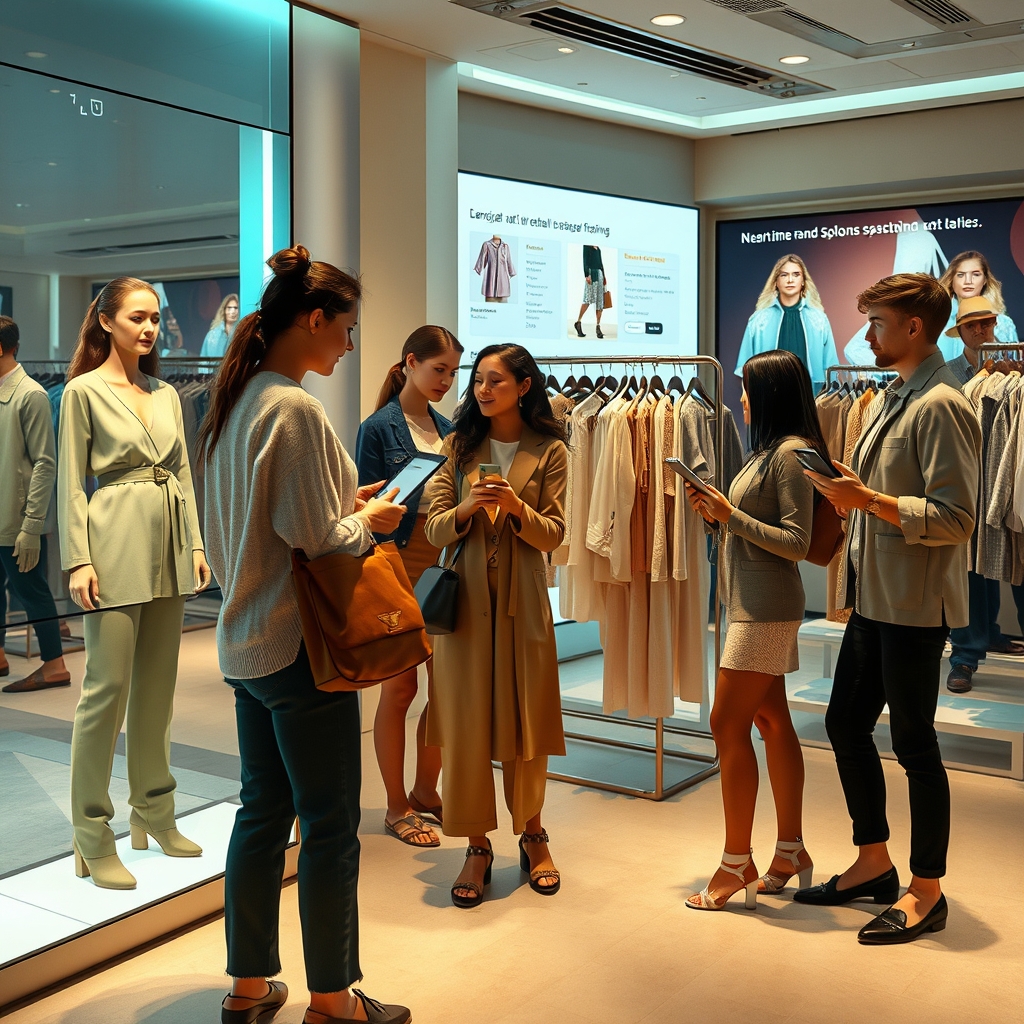
In today’s fast-paced world, convenience is king. But convenience doesn’t have to mean sacrificing quality or personalization. The seamless shopping experience is all about blending efficiency with curation, ensuring that every interaction feels effortless and intentional. From one-click purchases to AI-powered chatbots, technology is streamlining the way we shop, but it’s the human touch that makes it special.
Predictive trend analysis is playing a key role in this evolution. By analyzing data from social media, search trends, and sales patterns, brands can anticipate what consumers will want before they even know it themselves. This isn’t about pushing products—it’s about meeting needs in real time, creating a shopping experience that feels intuitive and responsive. When done right, it’s like having a personal stylist who knows your taste better than you do.
As fashion continues to evolve, one thing is clear: the future is personal. It’s about more than just clothes—it’s about the stories they tell, the values they represent, and the connections they foster. Whether through data-driven recommendations, sustainable sourcing, or immersive storytelling, the industry is embracing a new era of discovery. And at the heart of it all is you, the consumer, shaping the trends of tomorrow with every choice you make. The wardrobe of the future isn’t just about what you wear; it’s about how you wear it, why you wear it, and the impact it leaves behind.