The Alchemy of Style: How Virtual Fitting Rooms and Ethical Sourcing Are Redefining Conscious Consumer Shopping
The fashion landscape is undergoing a quiet revolution, one where the tactile joy of discovery meets the precision of technology. No longer confined to the limitations of physical boutiques or the overwhelming sprawl of fast fashion, today’s style seekers are navigating a curated world where every purchase feels intentional, every trend resonates, and every garment tells a story. At the heart of this transformation lies a powerful synergy between virtual fitting room tech and ethical fashion sourcing, two forces reshaping how we interact with fashion—both as consumers and as conscious participants in a global ecosystem.
The Digital Fitting Room: Where Convenience Meets Confidence
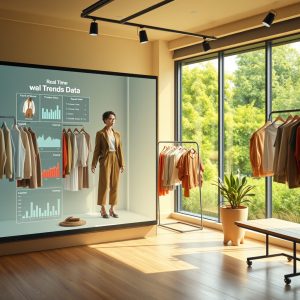
Imagine standing in your living room, holding up a dress you’ve just unboxed, only to realize it doesn’t quite fit the way you’d hoped. The frustration of returns, the environmental cost of shipping, and the time lost in the process are all too familiar. Enter virtual fitting room technology, a game-changer that blends augmented reality (AR) with artificial intelligence to create a seamless, personalized try-on experience. Brands like Gucci, Zara, and even emerging sustainable labels are leveraging this tech to allow customers to visualize how a garment will look on their bodies—down to the drape of the fabric, the fit across the shoulders, and the way it moves with them.
But this isn’t just about convenience. Virtual fitting rooms are reducing the carbon footprint of fashion by minimizing returns, a significant contributor to the industry’s waste problem. According to a report by the Ellen MacArthur Foundation, the fashion industry produces 92 million tons of waste annually, with returns playing a non-trivial role. By enabling shoppers to make more informed decisions, this technology is helping to close the loop on overconsumption, aligning perfectly with the principles of conscious consumer shopping.
Ethical Sourcing: The Backbone of Authentic Wardrobe Curation
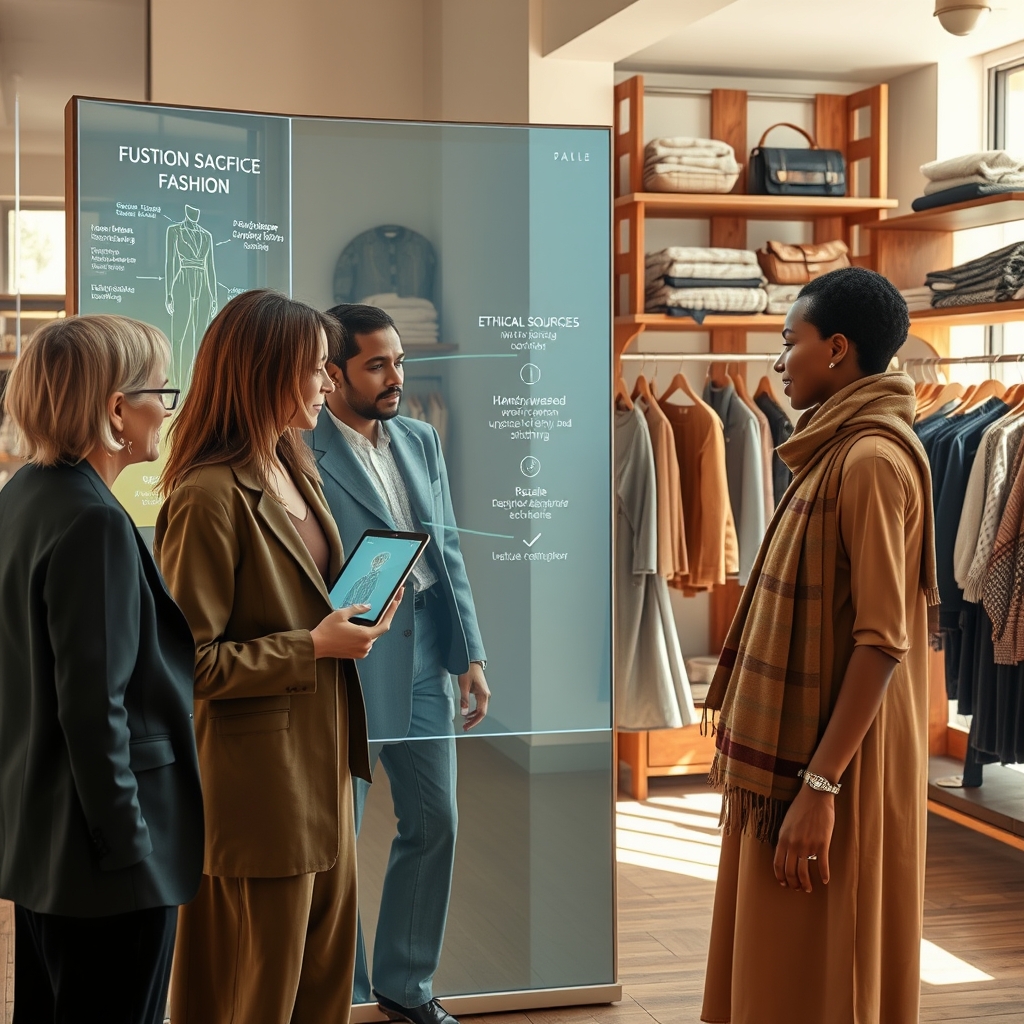
While technology is streamlining the shopping experience, the soul of modern fashion lies in its sourcing. Ethical fashion sourcing is no longer a niche concern but a non-negotiable standard for brands that want to thrive in today’s market. Consumers are increasingly demanding transparency—where their clothes are made, who makes them, and what materials are used. This shift has given rise to a new wave of boutique discovery processes, where shoppers actively seek out brands that prioritize fair labor practices, sustainable materials, and artisanal craftsmanship.
Take, for example, the rise of curated sustainable fashion platforms like Reformation, Eileen Fisher, and Patagonia. These brands don’t just sell clothes; they sell a philosophy. Their supply chains are meticulously mapped, their fabrics are traceable, and their stories are woven into every stitch. For the modern consumer, this level of authenticity is invaluable. It transforms a simple purchase into a statement—a vote for the kind of world they want to live in. And as data-driven style trends continue to evolve, these ethical considerations are becoming a key factor in personalized recommendations, ensuring that style and sustainability go hand in hand.
The Power of Personalization: Tailored Fashion Recommendations in the Digital Age
Gone are the days of one-size-fits-all fashion advice. Today, personalized style mapping is taking center stage, powered by algorithms that analyze everything from your browsing history to your body shape, color preferences, and even your lifestyle. Apps like Stitch Fix, Thread, and Wishi are using AI to deliver tailored fashion recommendations that feel as though they’ve been handpicked by a personal stylist. But the magic doesn’t stop there. These platforms are also incorporating predictive trend analysis to anticipate what you’ll love before you even know you want it.
The result? A shopping experience that feels intuitive, almost magical. Imagine receiving a box of clothes that not only fit perfectly but also align with your aesthetic, your values, and the latest trends—without ever having to set foot in a store. This level of personalization is redefining the boutique retail optimization model, making it possible for small, independent brands to compete with retail giants by offering hyper-targeted, high-quality experiences.
Resale and the Evolution of Sustainable Style
The resale market is booming, and it’s not just because of economic factors. Platforms like The RealReal, Depop, and ThredUp are turning modern resale experiences into a cornerstone of sustainable style evolution
. For the conscious consumer, buying secondhand isn’t just about saving money; it’s about reducing waste, extending the lifecycle of garments, and discovering unique pieces that tell a story. The rise of resale is also challenging the traditional fashion calendar, proving that style isn’t bound by seasons or trends but by timeless appeal and individual expression. What’s particularly exciting is how resale platforms are integrating with virtual fitting room tech and ethical sourcing principles. Some brands are even offering take-back programs, where customers can return old garments in exchange for store credit, ensuring that nothing goes to waste. This circular approach to fashion is not just a trend; it’s a fundamental shift in how we think about consumption, one that prioritizes longevity over disposability. As we look ahead, the lines between physical and digital fashion experiences will continue to blur. Immersive brand storytelling is already taking shape through virtual showrooms, interactive lookbooks, and even metaverse fashion events. Brands like Balenciaga and Burberry have experimented with digital fashion shows, allowing viewers to experience collections in a fully immersive 3D environment. Meanwhile, community-driven style platforms are fostering connections between shoppers, influencers, and designers, creating a space where fashion is a shared, collaborative experience. At the same time, real-time trend tracking is enabling brands to respond to consumer demand with unprecedented agility. Social media platforms like Instagram and TikTok are no longer just marketing tools; they’re trend incubators, where viral styles can emerge overnight. Brands that can harness this data and translate it into exclusive fashion finds will be the ones that thrive in this new era of fashion discovery. The future of fashion isn’t just about what we wear; it’s about how we discover it, how we experience it, and how we make it our own. It’s a world where technology and ethics coexist, where personalization and sustainability are not mutually exclusive, and where every purchase feels like a step toward a more conscious, creative future. As we navigate this evolving landscape, one thing is clear: the alchemy of style is no longer just about aesthetics—it’s about intention, innovation, and the stories we choose to wear.The Future of Fashion Discovery: A Seamless, Immersive Experience