The Evolution of Runway Fashion: From Haute Couture to Virtual Catwalks
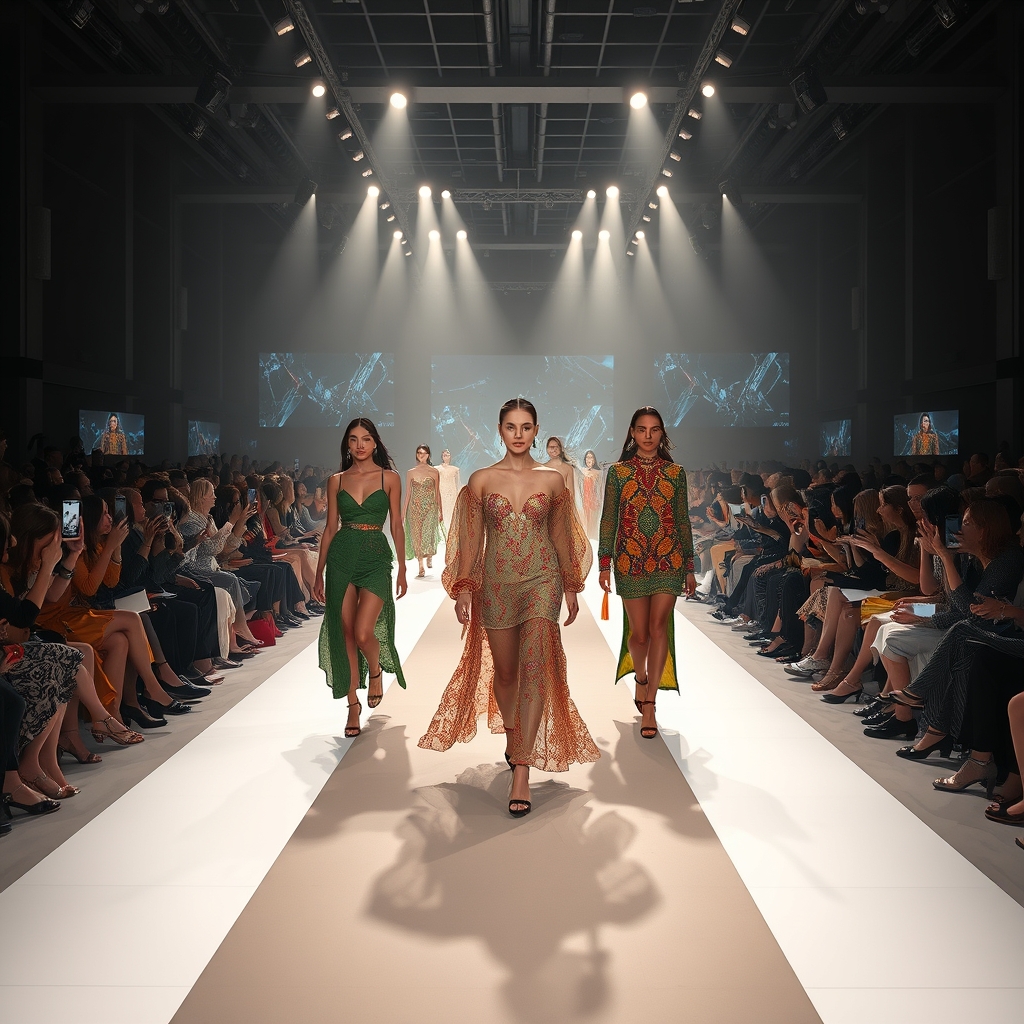
The world of high fashion is a mesmerizing blend of creativity, innovation, and cultural expression. At the heart of this dynamic industry lie the iconic fashion weeks—Paris, Milan, New York, and London—where designers unveil their latest collections, setting the tone for global trends. These events are not merely showcases of clothing; they are theatrical performances, artistic statements, and economic barometers that reflect the zeitgeist of our times. From the opulence of haute couture to the accessibility of ready-to-wear, runway fashion has continually evolved, adapting to technological advancements and shifting societal values.
The Grandeur of Haute Couture Shows
Haute couture represents the pinnacle of fashion craftsmanship, where garments are meticulously handcrafted to perfection. Paris Fashion Week, in particular, is synonymous with these extravagant shows, where designers like Chanel, Dior, and Valentino spare no expense in creating wearable art. The autumn-winter and spring-summer collections presented during these events often feature intricate embroidery, luxurious fabrics, and avant-garde silhouettes that push the boundaries of design. The front row, adorned with celebrities, fashion editors, and industry moguls, becomes a spectacle in itself, reinforcing the exclusivity and allure of haute couture.
Yet, the allure of haute couture is not without its criticisms. The astronomical price tags and limited accessibility raise questions about elitism in fashion. However, these shows also serve as incubators for innovation, where designers experiment with techniques and concepts that eventually trickle down into ready-to-wear collections. The fusion of tradition and modernity in haute couture ensures its enduring relevance in an ever-changing industry.
The Rise of Ready-to-Wear and Sustainable Fashion
While haute couture dazzles with its exclusivity, ready-to-wear collections democratize fashion, making designer styles accessible to a broader audience. Milan and New York Fashion Weeks are renowned for their ready-to-wear shows, where brands like Gucci, Prada, and Ralph Lauren blend high fashion with practicality. These collections often dictate the trends that dominate retail shelves, influencing everything from street style to fast fashion.
In recent years, sustainability has emerged as a defining theme in ready-to-wear fashion. Designers are increasingly prioritizing eco-friendly materials, ethical production processes, and circular fashion initiatives. London Fashion Week, in particular, has become a hub for sustainable fashion, with brands like Stella McCartney and Vivienne Westwood leading the charge. The shift toward sustainability reflects a growing awareness of fashion’s environmental impact and a collective desire to redefine the industry’s future.
The Digital Revolution: Virtual Fashion Shows
The COVID-19 pandemic accelerated a seismic shift in the fashion industry: the rise of virtual fashion shows. With physical events canceled or restricted, designers turned to digital platforms to showcase their collections. These virtual shows ranged from pre-recorded presentations to immersive 3D experiences, allowing audiences worldwide to engage with fashion in unprecedented ways. Brands like Balenciaga and Marc Jacobs embraced this new format, creating cinematic presentations that blurred the lines between fashion and film.
Virtual fashion shows offer several advantages, including reduced carbon footprints, lower production costs, and the ability to reach global audiences. However, they also pose challenges, such as the loss of the tactile experience and the energy of a live audience. Despite these drawbacks, the digital revolution has opened up new possibilities for creativity and inclusivity, making fashion more accessible than ever before.
The Art of the Runway Walk and Fashion Aesthetics
At the core of every fashion show is the runway walk, a performance that brings garments to life. Models like Gigi Hadid, Kendall Jenner, and Adut Akech have mastered the art of the walk, transforming it into a powerful form of self-expression. The runway is not just a platform for showcasing clothes; it is a stage where models convey the designer’s vision through their movements, expressions, and presence.
The aesthetic of a fashion show extends beyond the clothing to encompass the set design, lighting, music, and even the front-row seating. Designers like Alexander McQueen and Iris van Herpen are renowned for their immersive runway experiences, where every element is carefully curated to create a cohesive narrative. These shows are a testament to the power of fashion as an art form, capable of evoking emotion and sparking conversation.
The Future of Runway Fashion: Innovation and Inclusivity
As the fashion industry continues to evolve, so too does the concept of the runway. The rise of gender-neutral collections, diverse casting, and inclusive sizing reflects a broader cultural shift toward representation and equality. Designers are increasingly using their platforms to address social issues, from body positivity to racial justice, making fashion a vehicle for change.
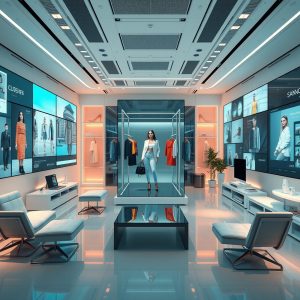
Emerging technologies like augmented reality (AR) and artificial intelligence (AI) are also shaping the future of runway fashion. AR filters allow audiences to virtually try on clothes, while AI-driven design tools enable designers to create more efficiently and sustainably. These innovations promise to revolutionize the way we experience fashion, making it more interactive, personalized, and accessible.
The magic of runway fashion lies in its ability to captivate, inspire, and transform. Whether through the grandeur of haute couture, the accessibility of ready-to-wear, or the innovation of virtual shows, fashion weeks continue to push the boundaries of creativity and redefine what it means to be stylish. As the industry embraces sustainability, inclusivity, and technology, the runway becomes not just a stage for clothing, but a platform for progress, where art and activism intersect to shape the future of fashion.