
The New Era of Runway Elegance: How Avant-Garde and Sustainability Are Shaping Fashion Week’s Future
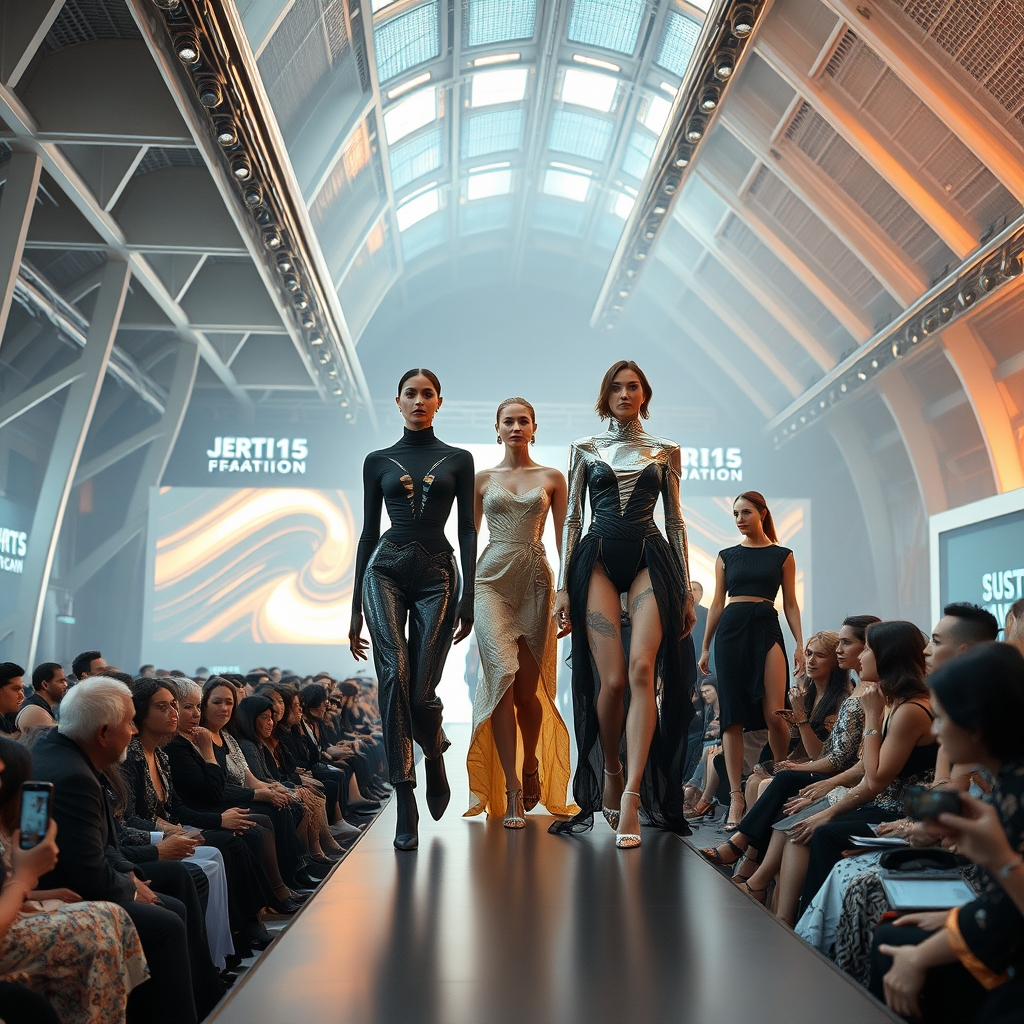
The world of high fashion is a constantly evolving spectacle, where creativity, innovation, and cultural shifts collide on the runway. From the cobblestone streets of Paris to the bustling avenues of New York, Fashion Weeks have long been the epicenter of style, dictating trends that ripple across the globe. Yet, as the industry stands at the crossroads of tradition and transformation, a new era of runway elegance is emerging—one that blends avant-garde aesthetics with a deep commitment to sustainability, redefining what it means to be at the forefront of fashion.
The Avant-Garde Revolution: Pushing Boundaries on the Runway
Avant-garde fashion has always been the heartbeat of Fashion Week, challenging conventions and reimagining the possibilities of design. This season, designers took bold leaps, presenting collections that were not just clothing but immersive experiences. At Paris Fashion Week, brands like Iris van Herpen and Rick Owens showcased pieces that blurred the lines between fashion and art, incorporating futuristic materials, architectural silhouettes, and surrealist motifs. These collections were less about wearability and more about making a statement—proving that fashion is a form of self-expression that transcends the everyday.
In Milan, the avant-garde took on a different flavor, with designers like Gucci and Prada infusing their shows with a sense of nostalgia and surrealism. Alessandro Michele’s Gucci presented a dreamlike narrative, where historical references collided with modern eccentricity, creating a visual feast that felt both timeless and utterly contemporary. Meanwhile, Prada’s collaboration with Raf Simons delivered a masterclass in minimalism, where clean lines and unexpected textures redefined luxury for a new generation.
The Role of Technology in Avant-Garde Fashion
Technology has become an indispensable tool in the avant-garde designer’s arsenal, enabling them to push the boundaries of what’s possible. Virtual fashion shows, once a necessity during the pandemic, have now evolved into a permanent fixture of the industry. Brands like Balenciaga and Louis Vuitton have embraced digital runways, using augmented reality (AR) and virtual reality (VR) to create immersive experiences that reach global audiences. These virtual shows are not just a substitute for physical events but a new medium for storytelling, allowing designers to experiment with narratives that would be impossible to achieve on a traditional runway.
Beyond the runway, technology is also transforming the way garments are designed and produced. 3D printing, for instance, has opened up new avenues for creativity, enabling designers to craft intricate, one-of-a-kind pieces that were once unimaginable. Iris van Herpen’s use of 3D-printed fabrics in her Haute Couture collections is a testament to how technology can elevate fashion to an art form, where each piece is a fusion of craftsmanship and innovation.
Sustainability: The New Luxury on the Runway
As the fashion industry grapples with its environmental impact, sustainability has emerged as a defining theme of modern runway shows. No longer a niche concern, eco-conscious design is now a hallmark of luxury, with brands across Paris, Milan, New York, and London incorporating sustainable practices into their collections. Stella McCartney, a pioneer in sustainable fashion, continued to lead the charge with her Autumn Winter collection, which featured vegan leather, recycled fabrics, and zero-waste production techniques. Her show was a powerful reminder that sustainability and style are not mutually exclusive but can coexist in harmony.
Other designers are following suit, reimagining their supply chains and production processes to minimize waste and reduce their carbon footprint. At London Fashion Week, brands like Vivienne Westwood and Bethany Williams showcased collections made from upcycled materials, proving that sustainability can be both ethical and aesthetically compelling. Even high-end labels like Chanel and Dior are embracing change, with initiatives like the use of organic cotton, biodegradable fabrics, and closed-loop production systems becoming increasingly common.
The Rise of the Conscious Consumer
The shift toward sustainability is not just driven by designers but by consumers who are increasingly demanding transparency and accountability from the brands they support. The rise of the conscious consumer has forced the fashion industry to rethink its practices, with many brands now prioritizing ethical sourcing, fair labor practices, and environmental stewardship. This season, Fashion Week runways reflected this shift, with designers highlighting their commitment to sustainability through every aspect of their collections—from the materials they use to the messages they convey.
One of the most notable examples of this trend was the Spring Summer Runway at Copenhagen Fashion Week, where sustainability is not just a theme but a requirement for participation. Brands like Ganni and Saks Potts presented collections that were entirely carbon-neutral, with a focus on circular fashion and responsible consumption. These shows demonstrated that sustainability is not a passing trend but a fundamental shift in how the industry operates.
The Future of Fashion Week: A Blend of Tradition and Innovation
As Fashion Week continues to evolve, it is clear that the future lies in striking a balance between tradition and innovation. The runway will always be a stage for creativity, where designers can push the boundaries of what fashion can be. Yet, it is also a platform for change, where the industry can address its challenges and redefine its values. The integration of technology and sustainability into Fashion Week is not just a response to external pressures but a natural progression of an industry that has always been at the forefront of cultural and artistic expression.
The front row of a Fashion Week show is no longer just a seat for celebrities and influencers but a space for thought leaders, activists, and innovators who are shaping the future of fashion. The backstage buzz is no longer just about hair and makeup but about the conversations around ethics, diversity, and inclusion. The runway itself is no longer just a catwalk but a canvas for storytelling, where each collection tells a story about the world we live in and the one we aspire to create.
Fashion Week has always been a reflection of the times, capturing the spirit of an era and translating it into style. Today, as the world grapples with climate change, technological disruption, and social upheaval, the runway is more relevant than ever. It is a space where the avant-garde and the sustainable converge, where tradition meets innovation, and where fashion becomes a force for change. The elegance of the runway is no longer just about the clothes but about the ideas they represent—the future of fashion is here, and it is as bold as it is beautiful.