The Invisible Stylist: How AI-Powered Personalization and Sustainable Discovery Are Redefining Fashion’s Next Chapter
Fashion has always been a reflection of culture, identity, and innovation. But today, it’s evolving faster than ever—driven not just by designers and runways, but by algorithms, sustainability imperatives, and a deep hunger for personalization. The modern wardrobe is no longer built on impulse buys or fleeting trends; it’s a carefully curated ecosystem where technology, ethics, and individuality intersect. At the heart of this transformation lies a quiet revolution: the fusion of personalized style mapping and conscious consumer shopping, reshaping how we discover, wear, and value fashion.
The Rise of the Invisible Stylist
Imagine a stylist who knows your preferences better than you do—one that learns from your past purchases, understands your lifestyle, and even predicts your future needs. This isn’t a futuristic fantasy; it’s the reality of AI-driven trend spotting and tailored fashion recommendations. Platforms leveraging predictive trend analysis and data-driven style trends are now capable of sifting through millions of data points—from social media behavior to climate patterns—to deliver hyper-personalized suggestions. The result? A wardrobe that feels uniquely *you*, without the hours spent scrolling or the frustration of ill-fitting impulse buys.
But personalization isn’t just about convenience. It’s about sustainability. By aligning recommendations with your existing wardrobe, lifestyle, and values, these systems reduce overconsumption—a critical step in an industry grappling with its environmental impact. The authentic wardrobe curation movement is shifting the narrative from *more* to *better*, proving that style doesn’t have to come at the planet’s expense.
The Boutique Renaissance: Where Discovery Meets Ethics
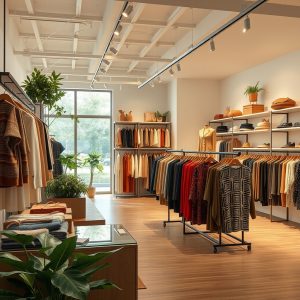
While fast fashion giants dominate headlines, a quieter revolution is unfolding in the world of boutique retail optimization. Independent brands and small-scale designers are leveraging ethical fashion sourcing and immersive brand storytelling to create shopping experiences that feel intimate, intentional, and deeply human. Unlike mass-produced garments, these pieces often come with a story—whether it’s the artisan who handcrafted them, the regenerative farm that grew the cotton, or the closed-loop system that ensures zero waste.
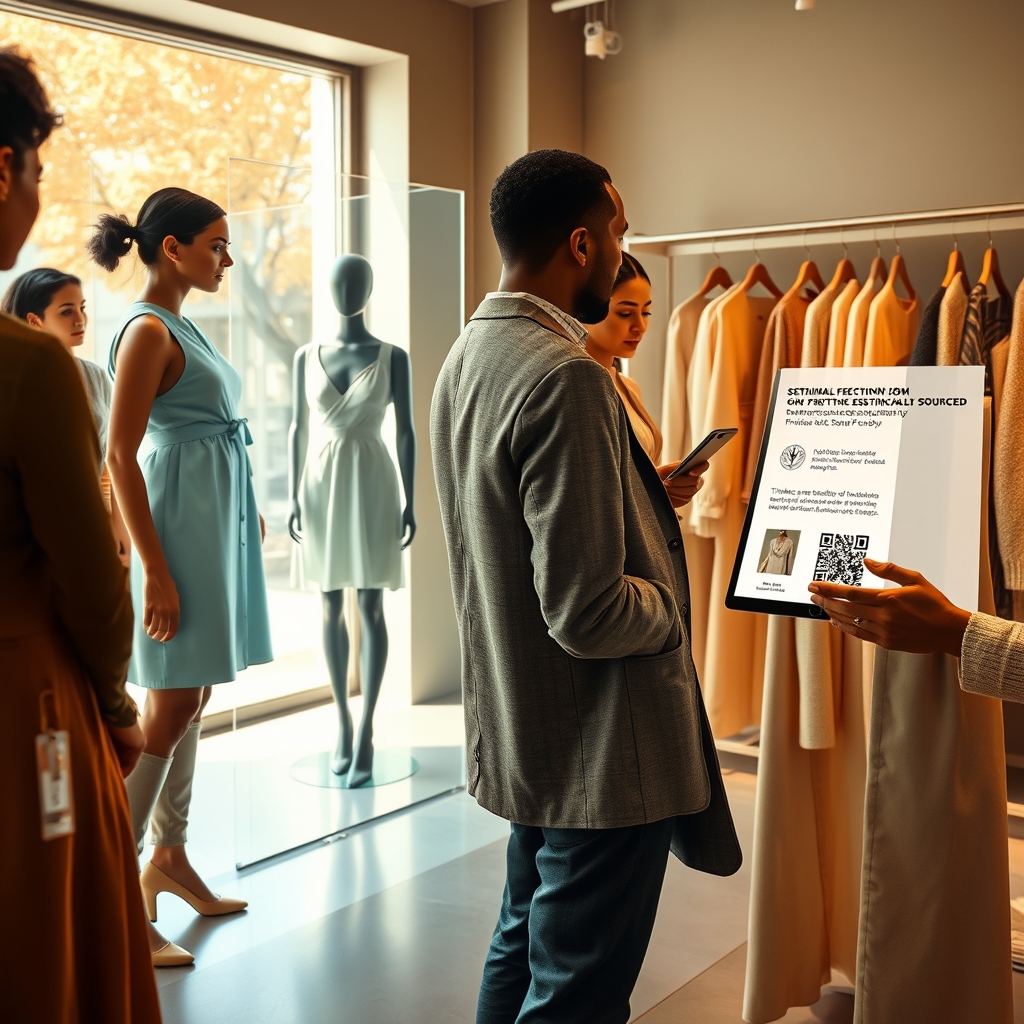
This boutique discovery process isn’t just about exclusivity; it’s about connection. Shoppers are no longer satisfied with anonymous transactions. They want to know the *why* behind their purchases, and brands are responding with transparency, traceability, and community-driven style initiatives. From virtual pop-ups to AR-powered try-ons, technology is bridging the gap between digital convenience and the tactile joy of discovering something truly special.
The Virtual Fitting Room: Where Tech Meets Tangibility
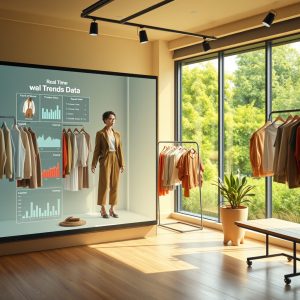
One of the most exciting frontiers in fashion tech is the virtual fitting room. Gone are the days of guessing whether a dress will fit or a color will suit your skin tone. With advancements in 3D body scanning and AI-powered size prediction, shoppers can now visualize how a garment will look and move on their unique body—all from their living room. This isn’t just a game-changer for convenience; it’s a sustainability win. By reducing the need for returns (a major source of fashion’s carbon footprint), virtual try-ons are helping brands and consumers alike make more mindful choices.
But the potential of this technology extends beyond fit. Imagine a world where your virtual fitting room doesn’t just show you how a piece looks, but also how it aligns with your style goals, budget, and even the occasion. Is this blazer versatile enough for work and weekends? Will these shoes pair well with what’s already in your closet? The answers are no longer left to chance.
The Resale Revolution: Sustainability Meets Style
If personalization and boutique discovery are the yin of modern fashion, modern resale experiences are the yang. The secondhand market is booming, and it’s not just about thrifting anymore. Platforms specializing in curated sustainable fashion are elevating resale to an art form, offering authenticated luxury, vintage treasures, and gently used gems that feel anything but secondhand. This shift is driven by a growing awareness of fashion’s environmental toll, but also by a desire for uniqueness. In a world of mass production, a pre-loved piece carries a story—and a sense of individuality—that new items often lack.
What’s more, resale is becoming seamlessly integrated into the shopping experience. Brands are launching their own take-back programs, while AI-powered tools help users assess the resale value of their purchases before they even buy. This circular approach isn’t just good for the planet; it’s smart economics, turning wardrobes into assets rather than liabilities.
The Future of Fashion: A Tapestry of Tech and Humanity
As we look ahead, the most compelling fashion experiences will be those that blend the best of technology with the irreplaceable human touch. Real-time trend tracking will ensure we stay ahead of the curve, while personalized fashion journeys will make sure our style remains authentically ours. Boutiques will continue to thrive by offering something algorithms can’t replicate: soul. And sustainability won’t be a niche concern, but a baseline expectation.
The wardrobe of the future isn’t just a collection of clothes; it’s a dynamic, evolving expression of who we are—and who we aspire to be. It’s built on data, but driven by desire. It’s sustainable, but never sacrificing style. And above all, it’s personal—not because it’s dictated by trends, but because it’s shaped by the people who wear it. In this new era, fashion isn’t just about what we wear. It’s about how we live, how we connect, and how we choose to move through the world.