The Runway’s Hidden Language: Decoding the Symbolism and Storytelling of Fashion Week Spectacles
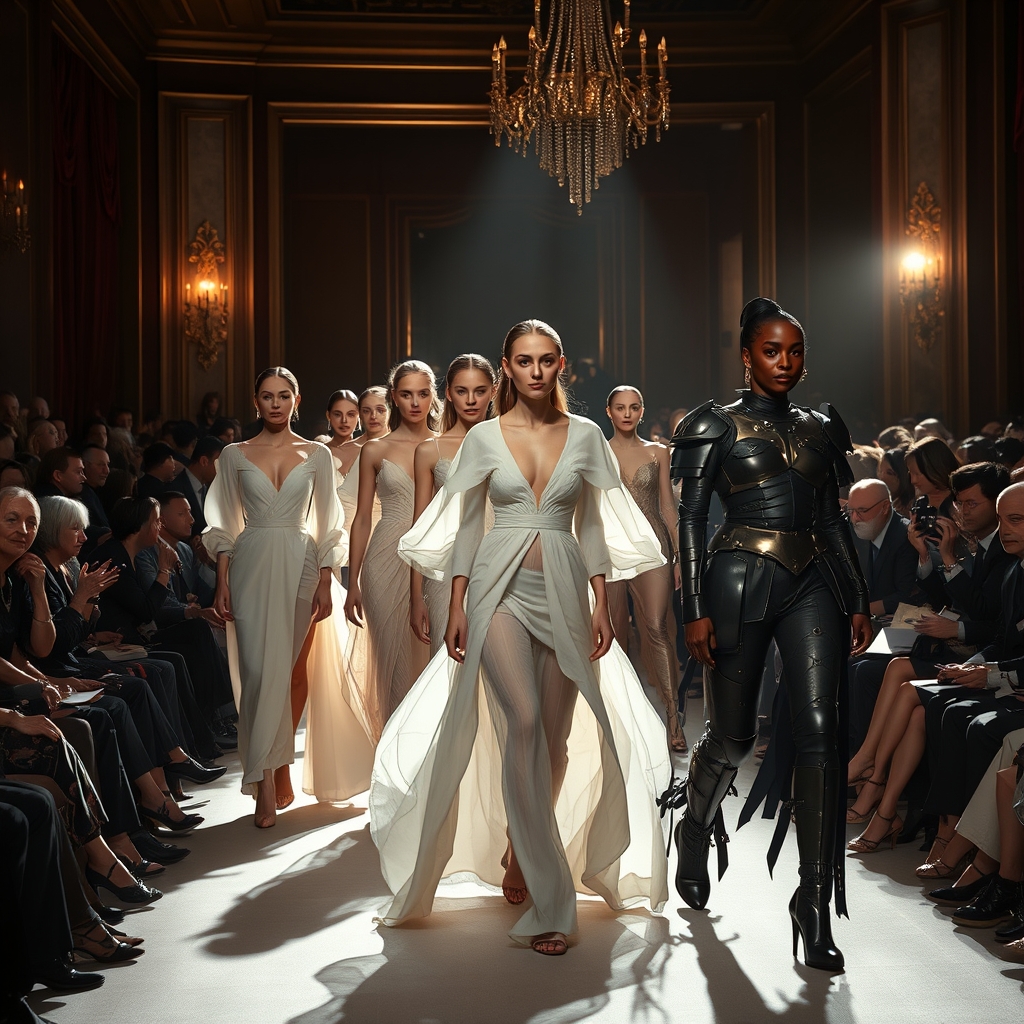
Fashion Week runways are more than just a showcase of clothing—they are a living, breathing narrative, a carefully choreographed symphony of fabric, movement, and emotion. Each season, designers transform the catwalk into a stage where art, culture, and identity collide, weaving stories that resonate far beyond the final walk. But what lies beneath the surface of these dazzling spectacles? How do the colors, silhouettes, and even the models’ expressions convey deeper meanings? The answer lies in the hidden language of the runway, where every stitch, every step, and every detail is a deliberate brushstroke in a larger masterpiece.
The Art of Symbolism in Runway Fashion
Designers have long used fashion as a medium for storytelling, embedding symbolism into their collections to evoke emotions, challenge norms, or pay homage to history. Take, for instance, the Autumn Winter Collection of 2023, where many designers drew inspiration from the concept of rebirth. Dark, moody palettes gave way to bursts of gold and crimson, mirroring the transition from winter’s dormancy to the promise of spring. Silhouettes shifted from structured, armored designs to flowing, ethereal drapes, symbolizing liberation and renewal. This wasn’t just about clothing; it was a visual metaphor for resilience, a theme that resonated deeply in a post-pandemic world.
Similarly, Haute Couture Shows often push the boundaries of symbolism, where garments become wearable art. Iris van Herpen’s 2024 collection, for example, explored the intersection of technology and nature, with 3D-printed dresses that mimicked the delicate veins of leaves or the fluidity of water. Each piece told a story of harmony between humanity and the natural world, a narrative that felt both futuristic and timeless. The runway, in these moments, becomes a canvas where abstract ideas take tangible form.
The Role of the Model: More Than Just a Hanger
The models who grace the catwalk are not merely mannequins—they are storytellers in their own right. Their walks, expressions, and even the way they interact with the audience can amplify the narrative of a collection. Consider the Model Runway Walk during a Sustainable Fashion Show. A slow, deliberate stride might emphasize the weight of ethical responsibility, while a confident, powerful walk could symbolize the strength of the movement. Designers like Stella McCartney have mastered this art, using models to embody the values of their brand, whether it’s sustainability, inclusivity, or rebellion against traditional beauty standards.
Backstage, the transformation of models into characters is a meticulous process. Makeup artists, hairstylists, and stylists collaborate to create looks that align with the collection’s theme. A smoky eye might evoke mystery, while a bold red lip could signify power. Even the choice of accessories—whether it’s a statement necklace or a minimalist bracelet—adds layers to the story. The Fashion Show Backstage is where the magic begins, where raw ideas are polished into a cohesive narrative ready to unfold on the runway.
The Front Row: A Microcosm of Influence
The Front Row Fashion is often dismissed as a mere seating arrangement, but it is, in fact, a curated audience that plays a pivotal role in shaping the perception of a show. Celebrities, influencers, and industry insiders are strategically placed to amplify the designer’s message. Their reactions—whether it’s a gasp, a nod, or a standing ovation—can set the tone for how the collection is received by the wider world. A front row filled with activists might signal a show’s commitment to social causes, while a lineup of A-list stars could indicate a focus on glamour and luxury.
In recent years, the front row has also become a platform for designers to make bold statements. At Paris Fashion Week, for example, some shows have featured front rows populated by individuals who represent the communities the collection aims to celebrate. This could mean models with disabilities, activists, or even local artisans whose craftsmanship inspired the designs. The front row, in these cases, becomes an extension of the runway, reinforcing the show’s narrative and ensuring that the message resonates long after the final walk.
The Evolution of Runway Storytelling: From Physical to Virtual
The rise of Virtual Fashion Shows has introduced a new dimension to runway storytelling. No longer confined to the physical constraints of a catwalk, designers can now create immersive, digital worlds where fashion becomes an interactive experience. Balmain’s 2020 virtual show, for instance, transported viewers to a futuristic Parisian rooftop, where models walked alongside digital avatars, blurring the lines between reality and fantasy. This shift has allowed designers to experiment with narrative techniques borrowed from film, gaming, and even theater, creating shows that are as much about the experience as they are about the clothing.
Yet, even in the digital realm, the core principles of runway storytelling remain unchanged. Whether it’s a Spring Summer Runway or a Resort Collection Show, the goal is still to evoke emotion, provoke thought, and leave a lasting impression. The medium may have evolved, but the language of the runway—its symbolism, its characters, and its narratives—continues to captivate audiences worldwide.
The Unspoken Rules of Runway Aesthetics
Every fashion show adheres to a set of unspoken rules that govern its aesthetic and narrative. The choice of venue, for example, can set the tone for the entire show. A grand, historic palace might evoke a sense of tradition and opulence, while a raw, industrial space could signal modernity and rebellion. The lighting, too, plays a crucial role. Soft, diffused lighting might create an intimate, dreamy atmosphere, while harsh, dramatic lighting could emphasize the boldness of the designs. Even the music is carefully selected to complement the collection’s mood, whether it’s a haunting melody for an Avant Garde Runway or an upbeat track for a Ready To Wear Show.
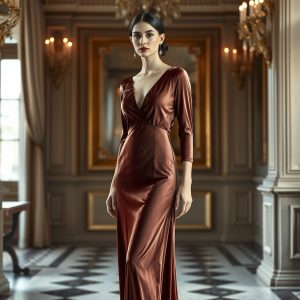
These elements come together to create a cohesive aesthetic that enhances the storytelling. A Luxury Runway Look might rely on rich textures, intricate embroidery, and opulent fabrics to convey a sense of exclusivity, while a Sustainable Fashion Show might opt for natural dyes, recycled materials, and minimalist designs to highlight its eco-conscious message. The runway aesthetic, in this sense, is not just about beauty—it’s about communication, a visual language that speaks to the audience without uttering a single word.
The runway is a stage where fashion transcends its material form, becoming a powerful medium for storytelling, symbolism, and cultural commentary. Whether it’s through the deliberate choice of colors, the expressive walks of models, or the immersive experiences of virtual shows, every element is a thread in a larger tapestry. As fashion weeks continue to evolve, one thing remains constant: the runway’s ability to captivate, challenge, and inspire, leaving audiences not just with a glimpse of the latest trends, but with stories that linger long after the final walk.