The Style Navigator: How Community-Driven Discovery and Real-Time Trends Are Redefining Personalized Fashion Journeys
Fashion has always been a reflection of individuality, but the way we discover and curate our personal style is undergoing a radical transformation. No longer confined to glossy magazines or seasonal runway shows, today’s style journeys are shaped by real-time data, community insights, and cutting-edge technology. The modern wardrobe is no longer just a collection of clothes—it’s a dynamic ecosystem where trends, ethics, and personal expression intersect in unexpected ways.
The Rise of Community-Driven Style
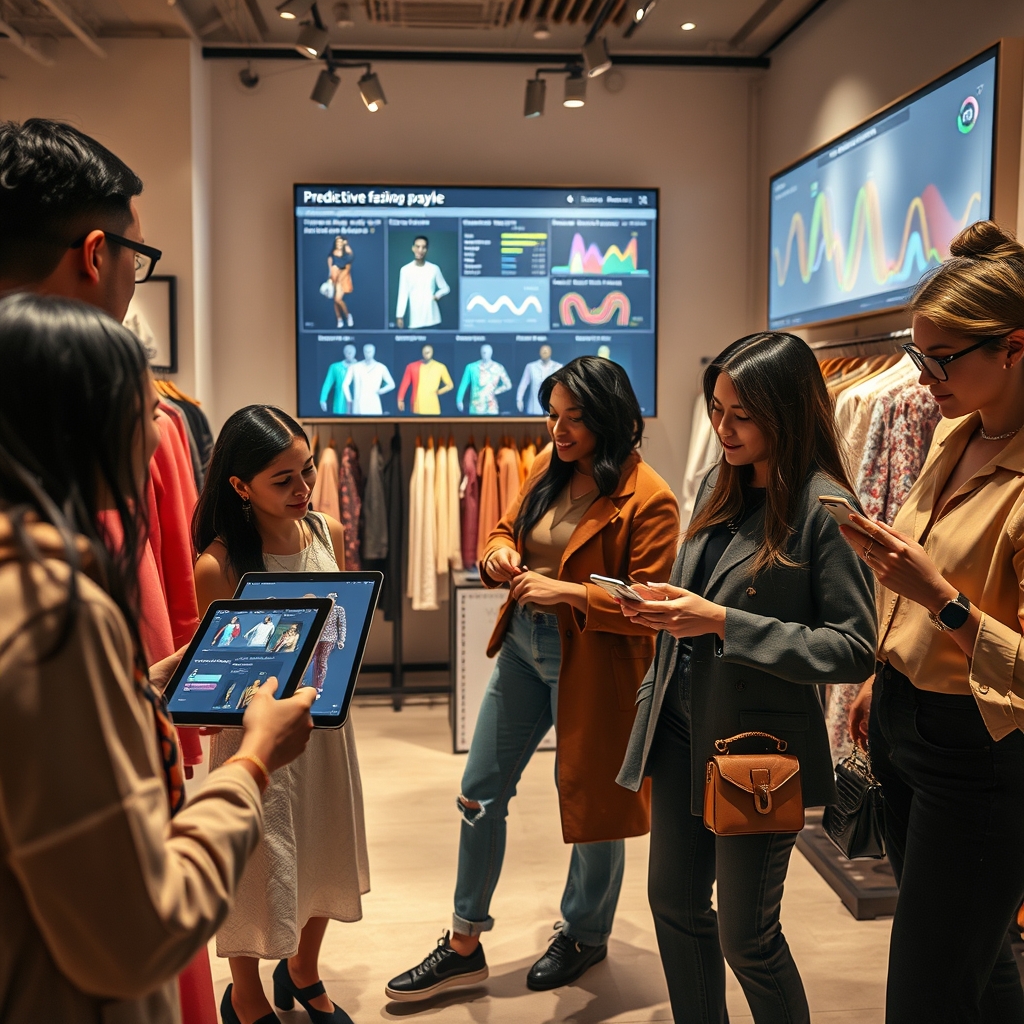
Gone are the days when fashion was dictated solely by industry insiders. Today, the most influential voices in style emerge from online communities, social platforms, and peer-to-peer recommendations. Platforms like Depop, Poshmark, and even TikTok have democratized fashion discovery, allowing users to spot trends as they emerge and share their unique interpretations. This shift has given rise to a more inclusive and diverse fashion landscape, where niche aesthetics and underground movements gain visibility at lightning speed.
What makes community-driven style so powerful is its authenticity. Unlike traditional fashion cycles, which often feel detached from real-life wearability, trends born from grassroots movements are inherently relatable. Whether it’s the resurgence of Y2K aesthetics or the growing demand for gender-neutral fashion, these shifts reflect the collective consciousness of a generation that values self-expression over rigid norms.
Real-Time Trend Tracking: The New Fashion Forecast
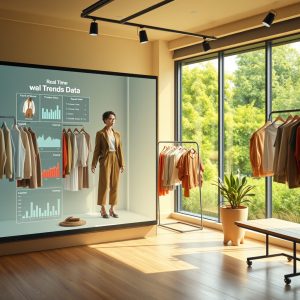
Predictive analytics have long been a staple in fashion retail, but the game has changed with the advent of real-time trend tracking. Brands and stylists now rely on AI-driven tools to monitor social media, street style, and even search engine data to identify emerging patterns before they hit the mainstream. This agility allows for faster production cycles, more accurate inventory management, and a shopping experience that feels truly responsive to consumer desires.
For consumers, this means no more waiting six months for a trend to trickle down from the runway. Instead, they can engage with fashion in the moment, whether that means snagging a viral piece the second it drops or customizing their wardrobe based on live feedback from their style community. The result? A more fluid, adaptive approach to personal style—one that evolves as quickly as the trends themselves.
The Boutique Revolution: Curated, Ethical, and Exclusive
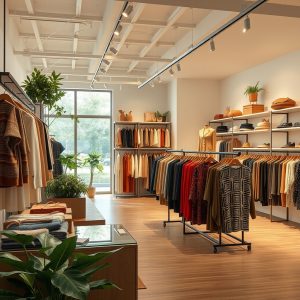
While fast fashion still dominates the market, a growing number of consumers are turning to boutique retailers for a more intentional shopping experience. These smaller, often independently owned stores offer something mass retailers can’t: a carefully curated selection of pieces that align with ethical sourcing, sustainable practices, and unique design aesthetics. The boutique discovery process is no longer about sifting through endless racks—it’s about uncovering hidden gems that resonate on a personal level.
What sets boutique shopping apart is its emphasis on storytelling. Each piece comes with a narrative—whether it’s the artisan who handcrafted the fabric, the ethical factory where it was produced, or the brand’s mission to reduce waste. This immersive brand storytelling transforms shopping from a transactional experience into a meaningful connection, fostering loyalty and trust between consumers and creators.
Personalization at Scale: The Future of Fashion Recommendations
AI and machine learning have made it possible to deliver hyper-personalized fashion recommendations without sacrificing the human touch. Algorithms analyze past purchases, browsing behavior, and even social media activity to suggest pieces that align with an individual’s taste, body type, and lifestyle. But the best personalization goes beyond mere data—it incorporates the nuances of human preference, like color psychology, fabric textures, and even mood-based styling.
Virtual fitting rooms and augmented reality tools take this a step further, allowing shoppers to visualize how a piece will look and fit before making a purchase. This seamless integration of technology and personalization eliminates the guesswork from online shopping, reducing returns and increasing satisfaction. The result is a wardrobe that feels truly bespoke, even in a digital-first world.
The Sustainable Style Evolution
As awareness of fashion’s environmental impact grows, so does the demand for sustainable alternatives. But sustainability is no longer just about organic cotton or recycled materials—it’s about rethinking the entire lifecycle of a garment. From rental and resale platforms to upcycling initiatives, the modern consumer is embracing a circular fashion economy where nothing goes to waste.
Brands that prioritize ethical sourcing and transparent supply chains are gaining traction, proving that style and sustainability can coexist. The rise of slow fashion—where quality and longevity trump fast trends—signals a shift toward a more mindful approach to consumption. For the conscious shopper, every purchase is an opportunity to vote with their wallet, supporting brands that align with their values.
The future of fashion is not just about what we wear, but how we discover, engage with, and cherish our clothing. It’s a world where technology enhances creativity, community shapes trends, and sustainability is non-negotiable. As we navigate this evolving landscape, one thing is clear: the most exciting style journeys are those that are deeply personal, constantly evolving, and unapologetically authentic. The wardrobe of tomorrow isn’t just a collection of clothes—it’s a reflection of who we are, how we live, and the stories we want to tell.