
From Catwalk to Conscience: How Fashion Week Runways Are Pioneering Ethical Elegance
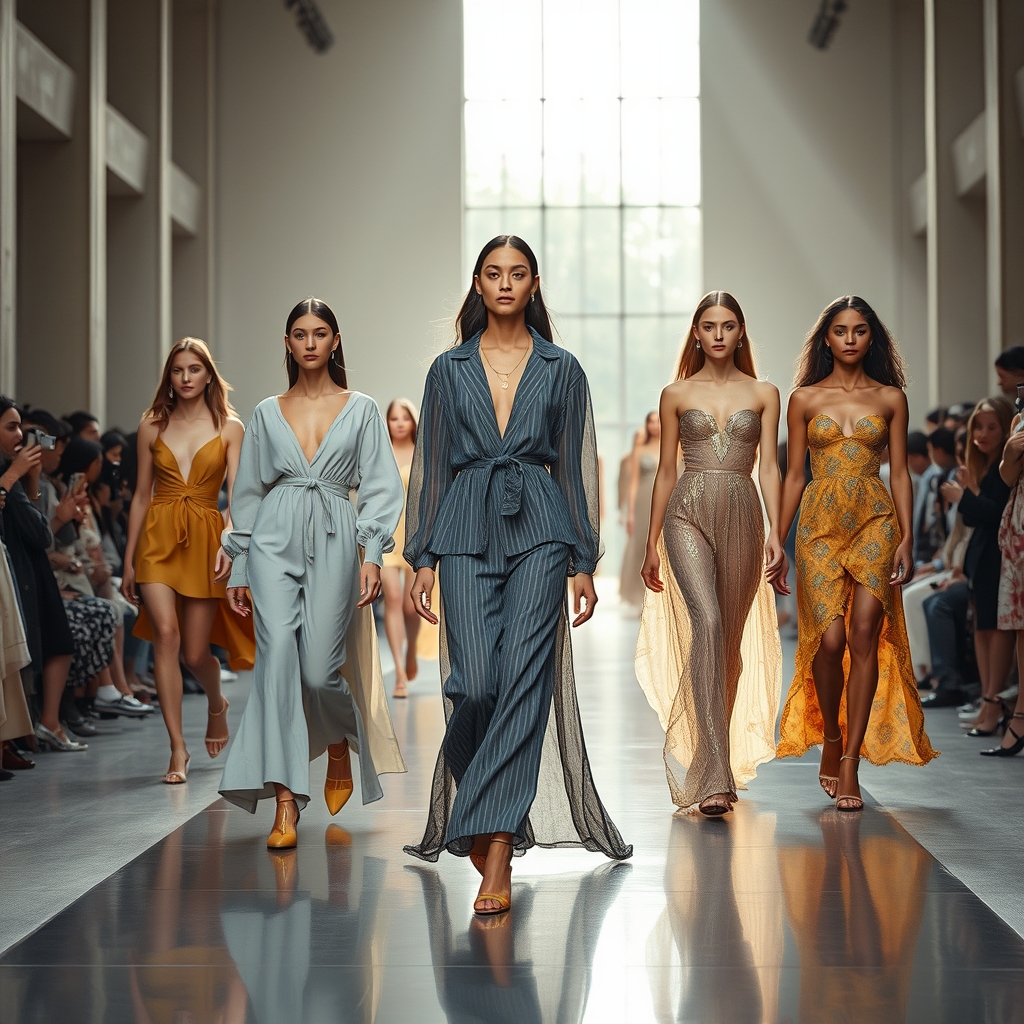
The world of high fashion has long been synonymous with opulence, exclusivity, and boundary-pushing creativity. Yet, as the spotlight on global runways grows ever brighter, so too does the scrutiny on the industry’s environmental and ethical footprint. Fashion Weeks in Paris, Milan, New York, and London—once bastions of unchecked extravagance—are now at the forefront of a quiet revolution, where sustainability is no longer a trend but a necessity. The question is no longer whether fashion can be ethical, but how elegantly it can wear its conscience.
The Green Thread: Weaving Sustainability into Haute Couture
For decades, the term “haute couture” conjured images of lavish fabrics, one-of-a-kind designs, and an almost mythical disregard for practicality. Today, however, designers are redefining luxury by integrating eco-conscious materials and ethical production methods into their collections. Stella McCartney, a pioneer in sustainable fashion, has long championed the use of organic cotton, recycled polyester, and innovative alternatives like mushroom leather. Her Spring Summer 2023 collection, presented during Paris Fashion Week, was a masterclass in how high fashion can marry aesthetics with ethics, proving that sustainability need not compromise sophistication.
Similarly, brands like Marine Serre and Gabriela Hearst are pushing the envelope with upcycled materials and zero-waste patterns. Marine Serre’s signature crescent-moon prints, often crafted from repurposed fabrics, have become a symbol of the brand’s commitment to circular fashion. Meanwhile, Gabriela Hearst’s Autumn Winter 2022 show in New York was a testament to the power of restraint, featuring timeless pieces made from deadstock and regenerative materials. These designers are not just creating clothes; they are crafting a new narrative for luxury—one where responsibility is as coveted as craftsmanship.
The Rise of the Conscious Consumer
The shift toward sustainability is not solely driven by designers. The modern fashion consumer, particularly younger generations, is increasingly demanding transparency and accountability from brands. According to a 2023 report by McKinsey & Company, 60% of Gen Z shoppers actively seek out sustainable fashion, and 70% are willing to pay a premium for ethically produced garments. This cultural shift is forcing even the most established fashion houses to rethink their practices.
Fashion Weeks have become a platform for this dialogue, with many events now incorporating sustainability-focused panels, exhibitions, and even carbon-neutral initiatives. London Fashion Week, for instance, has introduced the “Positive Fashion” initiative, which highlights brands that prioritize environmental and social responsibility. Similarly, Copenhagen Fashion Week has set a precedent by mandating that all participating brands meet strict sustainability criteria, from reducing waste to ensuring fair labor practices. These efforts are not just about ticking boxes; they are about redefining what it means to be a leader in the fashion industry.
The Backstage Revolution: Ethical Practices Behind the Scenes
While the runway may dazzle, the real magic of sustainability often happens behind the scenes. Fashion Week backstages are notorious for their excess—single-use plastics, disposable set designs, and mountains of discarded garments. Yet, a growing number of designers and production teams are challenging this status quo by adopting eco-friendly practices. Chanel, for example, has committed to eliminating single-use plastics from its shows and has invested in renewable energy for its ateliers. Meanwhile, brands like Vivienne Westwood have long advocated for slower, more thoughtful production cycles, eschewing the fast-fashion model in favor of longevity and durability.
Even the models are part of this shift. Agencies like The Lions and IMG Models are increasingly representing models who advocate for sustainability, such as Arizona Muse and Adut Akech. These models use their platforms to raise awareness about ethical fashion, from promoting vegan beauty products to supporting fair-trade initiatives. The runway, once a symbol of fleeting trends, is now a stage for meaningful change.
The Digital Frontier: Virtual Runways and the Future of Fashion
The COVID-19 pandemic accelerated the fashion industry’s embrace of digital innovation, and virtual fashion shows have since become a permanent fixture on the calendar. These digital runways offer a sustainable alternative to traditional shows, eliminating the need for travel, physical sets, and excessive waste. Brands like Balenciaga and Gucci have experimented with immersive digital experiences, using augmented reality (AR) and virtual reality (VR) to create shows that are as visually stunning as they are eco-friendly.
Yet, the rise of virtual fashion also raises questions about the future of physical runways. Can digital shows ever replicate the thrill of a live event, or will they remain a complementary tool rather than a replacement? For now, the answer seems to lie in a hybrid approach, where technology enhances rather than replaces the traditional fashion show. The Metaverse, for instance, has opened up new possibilities for designers to showcase their collections in entirely virtual worlds, reaching global audiences without the environmental cost. As technology continues to evolve, so too will the ways in which we experience fashion.
The Aesthetic of Accountability: Redefining Beauty Standards
Sustainability in fashion is not just about materials and production; it is also about the values that underpin the industry. For too long, fashion has been criticized for promoting unrealistic beauty standards, perpetuating exclusivity, and marginalizing diverse voices. Today, however, the runway is becoming a platform for inclusivity and representation. Designers like Chromat and Collina Strada are celebrated for their commitment to body positivity, casting models of all sizes, ages, and backgrounds in their shows. Meanwhile, brands like Telfar and Pyer Moss are using their platforms to highlight social justice issues, from racial equality to LGBTQ+ rights.
This shift toward inclusivity is not just a moral imperative; it is also a business strategy. Studies show that brands that embrace diversity are more likely to resonate with younger consumers, who prioritize authenticity and representation. Fashion Week runways are no longer just about showcasing clothes; they are about telling stories, challenging norms, and reflecting the world as it is—not as it once was.
The fashion industry stands at a crossroads, where the choices made today will shape its legacy for generations to come. The runways of Paris, Milan, New York, and London are no longer just stages for spectacle; they are laboratories of innovation, where sustainability and style coexist in harmony. As designers, consumers, and industry leaders continue to push the boundaries of what fashion can be, one thing is clear: the future of fashion is not just about looking good—it’s about doing good. The most luxurious statement one can make is no longer just about what you wear, but how you wear your values.