The Unseen Magic: Exploring the Backstage Alchemy of Fashion Week Runways

The glitz and glamour of Fashion Week—Paris, Milan, New York, and London—are undeniable. The front row is packed with celebrities, influencers, and industry titans, all eyes glued to the runway as models strut in the latest haute couture or ready-to-wear collections. But what happens behind the velvet ropes, in the whirlwind of backstage chaos, is where the real magic unfolds. It’s a world of precision, creativity, and sheer adrenaline, where every second counts and every detail matters.
The Controlled Chaos of Backstage
Step behind the curtain, and you’ll find a scene that’s equal parts organized chaos and artistic brilliance. Racks of meticulously crafted garments line the walls, each piece tagged and ready for its moment in the spotlight. Makeup artists wield brushes like painters, transforming faces into canvases that complement the designer’s vision. Hair stylists work in tandem, sculpting locks into gravity-defying shapes or sleek, polished styles that frame the models’ features. The air hums with energy, a symphony of last-minute adjustments, hurried footsteps, and hushed conversations.
For every seamless runway show, there are hours—sometimes days—of preparation. Designers and their teams work tirelessly to ensure every stitch, every hem, and every accessory is perfect. Fittings are held weeks in advance, with models often enduring hours of adjustments to achieve the ideal silhouette. The backstage area is a hive of activity, with assistants, stylists, and seamstresses moving in a choreographed frenzy to ensure nothing is overlooked.
The Unsung Heroes: Makeup and Hair Teams
While the designer’s name may be the one splashed across headlines, the makeup and hair teams are the unsung heroes of Fashion Week. Their work is nothing short of transformative. A single look can take hours to perfect, with layers of products applied to create a flawless base, avant-garde contours, or bold, statement-making details. The pressure is immense—there’s no room for error when the world’s most discerning fashion critics are watching.
Hair teams, too, play a pivotal role. Whether it’s a sleek, wet-look style for a futuristic collection or voluminous, textured waves for a bohemian vibe, the hair must complement the garments while standing out in its own right. Extensions, wigs, and intricate braiding techniques are often employed to achieve the desired effect, with stylists working against the clock to ensure every model is runway-ready.
The Models: More Than Just a Pretty Face
Models are the living, breathing embodiments of a designer’s vision, but their role extends far beyond walking in a straight line. They must convey emotion, attitude, and narrative through their stride, their posture, and even their gaze. A model’s walk is a carefully honed skill, practiced for hours to achieve the perfect balance of confidence and grace. Some designers demand a fierce, powerful stride, while others prefer a more ethereal, floating gait—each step is deliberate and purposeful.
Backstage, models are put through their paces, often with little time to rest between looks. Quick changes are a staple of Fashion Week, with some models switching outfits in a matter of minutes. Dressers and assistants work in tandem to ensure garments are removed and replaced without a hitch, often using hidden zippers, magnetic closures, or even Velcro to expedite the process. It’s a high-stakes game of dress-up, where every second counts.
The Front Row: A World of Its Own
While the backstage area is a whirlwind of activity, the front row offers a different kind of spectacle. It’s where the fashion elite gather to see and be seen, a microcosm of the industry’s power dynamics. Editors from Vogue, Harper’s Bazaar, and other major publications hold court, their opinions capable of making or breaking a collection. Celebrities lend their star power to the event, their presence often dictating which looks will dominate headlines and social media feeds. Influencers, too, play a crucial role, their instant reactions shaping public perception in real time.
The front row is also where trends are born. A single accessory—a bold hat, a statement bag, or an unexpected shoe choice—can spark a wave of imitations, rippling through the fashion world long after the show has ended. Designers often plant these trends deliberately, knowing that the front row’s reaction can set the tone for the season ahead. It’s a delicate dance of influence and innovation, where every detail is scrutinized and dissected.
The Rise of Sustainable and Virtual Fashion Shows
In recent years, the fashion industry has faced increasing pressure to address its environmental impact, and Fashion Week has not been immune to this shift. Sustainable fashion shows have emerged as a powerful response, with designers prioritizing eco-friendly materials, zero-waste production techniques, and ethical labor practices. Brands like Stella McCartney and Marine Serre have led the charge, proving that sustainability and high fashion are not mutually exclusive. These shows often incorporate upcycled fabrics, biodegradable materials, and innovative dyeing processes, challenging the industry to rethink its approach to production.
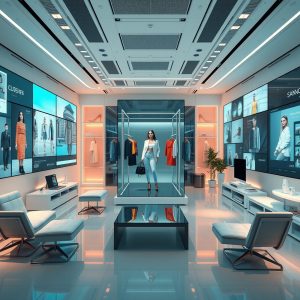
Virtual fashion shows have also gained traction, particularly in the wake of the COVID-19 pandemic. These digital presentations offer a unique blend of creativity and accessibility, allowing designers to reach a global audience without the carbon footprint of traditional runway shows. Virtual shows can be immersive, interactive, and boundary-pushing, with designers experimenting with augmented reality, 3D modeling, and even gaming platforms to showcase their collections. While nothing can fully replicate the energy of a live runway, virtual shows have opened up new possibilities for innovation and inclusivity.
The Aesthetic of the Runway: More Than Just Clothes
A Fashion Week show is a carefully curated experience, where every element—from the lighting to the music to the set design—works in harmony to create a cohesive aesthetic. The runway itself is a stage, and the models are performers, each walk a carefully choreographed moment in a larger narrative. The music sets the tone, whether it’s a pulsating electronic beat for a futuristic collection or a haunting classical piece for a more romantic vibe. The lighting, too, plays a crucial role, highlighting the textures and details of the garments while creating an atmosphere that enhances the designer’s vision.
Set design is another key component, with some designers transforming the runway into a surreal dreamscape or a minimalist white box. The backdrop can be as simple as a monochrome wall or as elaborate as a full-scale installation, complete with props, projections, and interactive elements. These details elevate the show from a mere presentation of clothes to a full-fledged artistic experience, blurring the lines between fashion and performance art.
The world of Fashion Week is a dazzling, high-stakes spectacle, where creativity, craftsmanship, and innovation collide. Behind the scenes, a dedicated army of professionals works tirelessly to bring a designer’s vision to life, each playing a crucial role in the final presentation. Whether it’s the precision of the backstage teams, the influence of the front row, or the evolving trends shaping the industry, Fashion Week is a testament to the power of fashion as both an art form and a cultural force. It’s a world where dreams are stitched together, one garment at a time, and where the next big trend is always just one runway walk away.